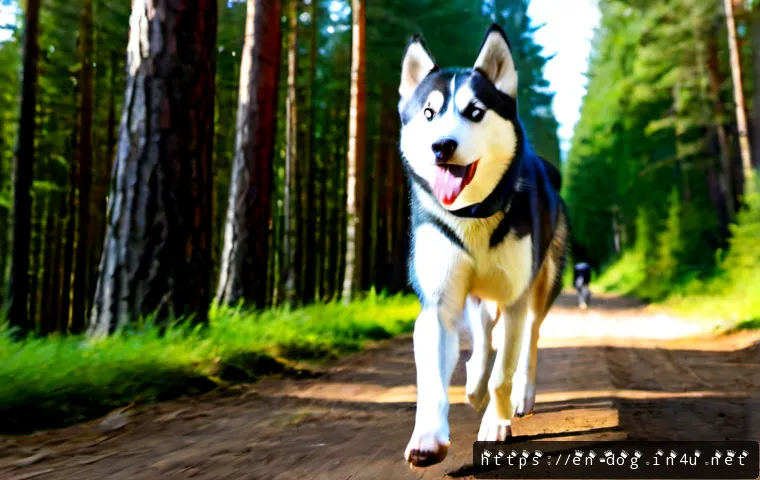
Most adult Siberian Huskies need substantial daily activity, but there is no single exercise number that fits every dog. A good plan combines physical movement, mental work, safe containment, and recovery rather than trying to simply wear the dog out.
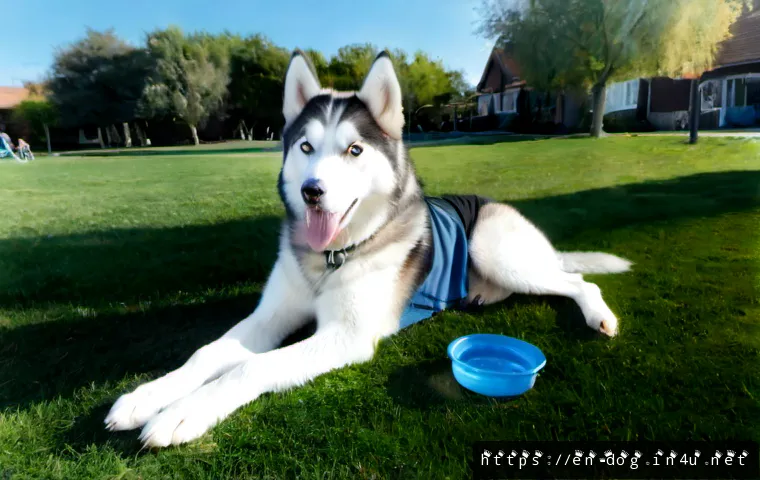
Puppies, seniors, and dogs with health or mobility concerns need a more cautious routine. If your schedule is tight, a reliable dog walker, well-managed daycare, or trainer can be useful support when the service matches your Husky’s temperament and safety needs.
The right harness, leash setup, secure enrichment tools, and weather-aware routine can make daily exercise easier to manage. Watch how your individual dog recovers and behaves, and seek veterinary guidance if exercise tolerance changes suddenly.
At a Glance
- Siberian Huskies are commonly considered a high-energy breed, so daily activity needs planning rather than occasional long outings.
- Physical exercise, training, scent work, and recovery all contribute to a sustainable Husky routine.
- Secure leash handling, fenced spaces, and heat-aware scheduling are essential for many athletic, curious Huskies.
| Exercise or Support Option | Best Use | Main Safety Check | Cost Consideration |
|---|---|---|---|
| Owner-led walks | Daily movement, leash practice, routine | Properly fitted harness and reliable leash handling | Usually lower ongoing cost |
| Hiking or running | Healthy adult dogs with suitable conditioning | Weather, paws, gradual progression, recovery | May require trail gear or sport-specific equipment |
| Scent games and training | Mental enrichment between active sessions | Use secure, dog-safe equipment and supervision | Can be done at home with enrichment tools |
| Dog walking service | Workdays or owners needing schedule support | Handler experience, leash policy, secure routes | Compare service terms and availability locally |
| Dog daycare | Social dogs that cope well in managed group settings | Staff supervision, rest breaks, temperament fit | Costs and policies vary by provider |
| Trainer support | Recall, leash skills, roaming behavior, routine planning | Methods, experience, and realistic goals | Useful when behavior affects safe exercise options |
The Short Answer: Building Enough Daily Activity for a Husky
A Siberian Husky generally needs a consistent, active daily routine, not a single occasional outing. The appropriate amount depends on age, physical condition, weather tolerance, training history, and the dog’s individual behavior. A young, healthy adult may need more challenging outlets than a senior or a puppy, while a hot day may call for a shorter, calmer plan.
Why One Fixed Exercise Number Does Not Fit Every Dog
It is tempting to search for one exact exercise target, but that can lead to poor decisions. A Husky that is still growing should not be pushed into long, repetitive, high-impact activity. A dog with reduced mobility, an unfamiliar running history, or a sudden drop in stamina also needs a different approach from a conditioned adult.
Use your dog’s recovery and behavior as practical feedback. Does your Husky settle after activity, remain comfortable on the leash, and move normally afterward? Or does the dog show distress, limp, cough, or seem unusually unwilling to continue? Those changes deserve attention rather than a tougher workout.
Physical Activity, Mental Work, and Recovery All Matter
Walking, controlled hiking, structured play, and appropriate running can provide physical outlets. Scent games, obedience practice, and food puzzles add mental work that can make quiet time more manageable. Mental enrichment complements exercise, but it does not fully replace physical activity for an active breed.
Recovery is part of the routine too. Offer calm periods after exercise, access to water, and a chance to cool down. A routine that your household can repeat safely is more useful than an intense plan that is difficult to maintain.
Compare Exercise Options by Time, Intensity, Safety, and Cost
Walks, Hikes, Running, Pulling Sports, and Structured Play
Regular walks are a practical foundation because they combine movement, environmental exposure, and leash training. A hike may offer more varied terrain and smells, but it also requires attention to weather, paw condition, route safety, and secure handling. Running or pulling-style activity may suit some healthy adult Huskies, but fitness for these activities is individual and should not be assumed.
Structured play can be useful when it stays controlled and safe. Avoid treating frantic activity as the only goal. A Husky does not need to be exhausted to have had a productive day; safe engagement and predictable recovery matter more.
For everyday outings, look for a properly fitted harness that does not interfere with movement, a dependable leash connection, and gear suited to the conditions. If you use a long line, choose an open area where entanglement, traffic, and uncontrolled contact with other dogs are not concerns.
Dog Walkers, Daycare, and Trainers: When Paid Support Can Make Sense
A professional dog walker can be helpful when workdays leave little room for a daytime outing. This option may fit a Husky that does well with an experienced handler and a consistent route. Ask how the walker handles strong pullers, whether dogs are walked alone or together, and how secure leash transitions are managed.
Daycare can offer activity and supervision, but it is not automatically right for every Husky. Some dogs enjoy a carefully managed social environment; others become overstimulated or need more rest than a group setting allows. A daycare facility should be able to explain its supervision practices, rest periods, and how it assesses temperament fit.
A trainer may be the strongest investment when leash pulling, poor recall, roaming behavior, or difficulty settling limits your exercise choices. Better handling skills can make owner-led walks, secure outdoor practice, and future dog-walking arrangements more realistic.
What to Check Before Paying for an Exercise Service
Before choosing a dog walking service, daycare provider, or trainer, focus on safety, communication, and fit. Ask how the provider manages escape risk, leash handling, heat, rest, and unexpected behavior. Clarify what information they need about your dog and how they will contact you if a concern arises.
Local availability, pricing, quality, and insurance coverage vary. Review the provider’s current terms directly rather than assuming that two services offer the same level of supervision or the same handling policies.
Create a Safe Daily Routine Without Overdoing It
Split Activity Into Manageable Sessions
Many owners find that several manageable sessions work better than relying on one demanding outing. A calmer walk can begin the day, followed by a short training or scent session later, then another outdoor activity when conditions are suitable. This approach can reduce the pressure to turn every walk into a high-intensity event.
Adjust timing when the weather is hot. Heat can increase the risk of overheating, so cooler parts of the day, shade, water, and reduced intensity may be sensible choices. Do not assume a Husky’s thick coat makes hot conditions safe.
Add Scent Games, Obedience Practice, and Food Puzzles
Simple scent searches, cue practice, and food puzzles can give your dog a job indoors or in a secure space. These activities are especially useful during poor weather, recovery days, or short breaks between walks. Keep sessions clear and brief enough that the dog remains engaged.
Choose enrichment equipment that is secure, appropriate for your dog’s chewing habits, and easy to supervise. If you are comparing puzzle feeders, long lines, cooling gear, or harnesses, check fit guidance, materials, and safe-use instructions on the relevant product page before buying.
Monitor Fatigue, Heat Stress, Sore Paws, and Behavior Changes
Look beyond excitement at the start of an outing. A dog may still want to continue even when conditions are becoming unsafe. Monitor breathing, pace, comfort, paw condition, and willingness to move normally after the activity.
Sudden reduced exercise tolerance, limping, coughing, or distress during activity warrants veterinary guidance. Do not try to solve those signs by increasing conditioning on your own.
Adjust the Plan for Puppies, Adults, Seniors, and Busy Owners
Lower-Impact Habits for Growing Puppies

Husky puppies benefit from safe exploration, short training sessions, gentle play, and age-appropriate walks. Avoid pushing a developing dog into long, repetitive, high-impact exercise. Focus on leash skills, calm handling, secure recall practice in appropriate enclosed areas, and positive routines that can grow with the dog.
Higher-Energy Outlets for Healthy Adult Dogs
Healthy adult Huskies may be ready for more demanding activity, but the plan should still be built gradually. Hiking, controlled running, and sport-oriented work depend on the individual dog’s condition, prior training, and weather tolerance. Increase demands carefully, maintain recovery time, and use secure equipment.
If a Husky is constantly pulling toward an exit, scanning for an opportunity to roam, or becoming difficult to handle outdoors, prioritize training and containment before expanding freedom. Athletic ability does not equal reliable recall.
Practical Backup Plans for Workdays, Bad Weather, and Limited Space
Busy owners can prepare backup options before a schedule becomes difficult. A dog walker may cover a midday outing. A trainer can help improve leash handling. Indoor scent work, food puzzles, and training practice can help during unsafe heat or poor weather.
Limited space does not remove the need for exercise, but it makes planning more important. A small home can still support structured routines when outdoor sessions, secure enrichment, and calm recovery time are handled consistently.
Avoid Common Mistakes With High-Energy Dogs
Relying on an Unfenced Area or Unreliable Recall
Many Huskies are athletic, curious, and prone to roaming. An unfenced space is not automatically safe simply because it looks open or quiet. Use a secure fence or reliable leash setup when recall is uncertain. Long lines can support controlled practice, but they are not a substitute for active handling and a safe environment.
Treating Exhaustion as the Only Goal
Trying to tire out a Husky with endless physical effort can overlook training, recovery, and behavior. A better goal is a dog that has appropriate movement, useful mental work, and the ability to settle afterward. More intensity is not always a better routine.
Increasing Mileage Too Quickly or Exercising in Unsafe Heat
Sudden increases in distance, speed, or repetitive impact can be hard on any dog that is not conditioned for them. Build new activities gradually. In hot weather, change the timing and intensity of the plan rather than forcing a normal routine under unsuitable conditions.
Choosing Exercise Support: Cost, Safety, and Fit
A Checklist for Walkers, Daycare Facilities, Trainers, and Gear
Before committing to paid support or new exercise gear, review these points:
- Handling: Can the walker or facility safely manage a strong, active dog?
- Containment: How are gates, leash transfers, outdoor areas, and escape risks handled?
- Rest and weather: Is there a clear approach to breaks, heat, and recovery?
- Temperament fit: Does your Husky cope well with group play, solo walks, or structured training?
- Equipment: Does the harness fit correctly, and is the leash or long line suitable for the intended use?
- Communication: Will the provider explain concerns and report meaningful behavior changes?
Match the Option to Your Dog’s Temperament, Schedule, and Budget
A dog walker may be the practical choice for a Husky that needs a predictable weekday outlet. Daycare may fit a social dog that handles group activity and rest periods well. Training support may be more valuable when pulling, escape behavior, or unreliable recall is the main obstacle.
Do not choose only by convenience. The best option is one that supports your dog’s safety and your ability to maintain a realistic routine. Check the provider’s official details and current service conditions before booking.
Selection Criteria and Comparison Summary
Choose exercise support by checking your dog’s age and condition, weather and recovery needs, leash and containment skills, temperament around people and dogs, and your household schedule and budget. For equipment, prioritize correct harness fit, dependable leash connections, and secure enrichment tools. For professional support, compare handling policies, supervision, rest procedures, and communication rather than relying on a general promise of “high-energy dog care.” Official service details and product specifications are the best place to confirm current conditions.
Final Thoughts
A Siberian Husky’s exercise routine should be active, structured, and adaptable. Build it around safe physical activity, mental enrichment, and genuine recovery rather than one fixed target. Secure handling is especially important for a breed known for athleticism and curiosity. When your schedule or training needs exceed what you can manage alone, carefully chosen walking, daycare, or training support can be a practical addition.
Useful Things to Know
1. Mental enrichment supports an active routine but does not fully replace physical exercise.
2. Hot weather can require a different activity time and lower intensity.
3. Puppies should not be pushed into long, repetitive, high-impact exercise.
4. A secure leash setup and fenced area are often more important than extra freedom.
Important Notes
There is no verified universal exercise duration for every Siberian Husky. Whether an individual dog is medically fit for regular running, pulling sports, hiking, or long-distance activity requires individual consideration. Seek veterinary guidance for limping, coughing, distress during activity, or a sudden decline in exercise tolerance.
Frequently Asked Questions
Q1. Is a long walk enough exercise for a Siberian Husky?
A1. A long walk may be part of a useful routine, but it may not meet every Husky’s needs by itself. Many dogs also benefit from training, scent work, secure exploration, and recovery time. The right balance depends on the dog’s age, condition, weather tolerance, and behavior.
Q2. Should I hire a dog walker or use daycare if I work full time?
A2. Either option can help if it fits your Husky. A dog walker may suit dogs that do best with individual handling and predictable routes. Daycare may suit dogs that are comfortable in a well-managed group environment with proper supervision and rest. Check safety procedures, handling experience, and temperament fit before choosing.
Q3. Is it safe for a Siberian Husky to run with me every day?
A3. It depends on the individual dog’s age, physical condition, training history, weather, and recovery. Puppies should not be pushed into repetitive high-impact exercise, and any sudden reduction in tolerance or signs of discomfort need veterinary guidance. Build activity gradually and avoid unsafe heat.