
With so many pet parents eager to keep their furry friends healthy and happy, staying ahead with the right vet checkups has never been more important.

Recent advances in veterinary care highlight how regular health screenings can catch issues before they become serious, giving dogs a better quality of life.
Whether your pup is a playful puppy or a wise senior, knowing which checkups are essential can make all the difference. Let’s explore the top vet-recommended health assessments that will help your dog thrive for years to come.
If you’ve ever wondered how to spot early signs of health problems or what tests are truly necessary, you’re in the right place. Stick around for expert insights that could transform your dog’s wellness routine!
Understanding Your Dog’s Annual Wellness Exam
What Happens During a Routine Checkup?
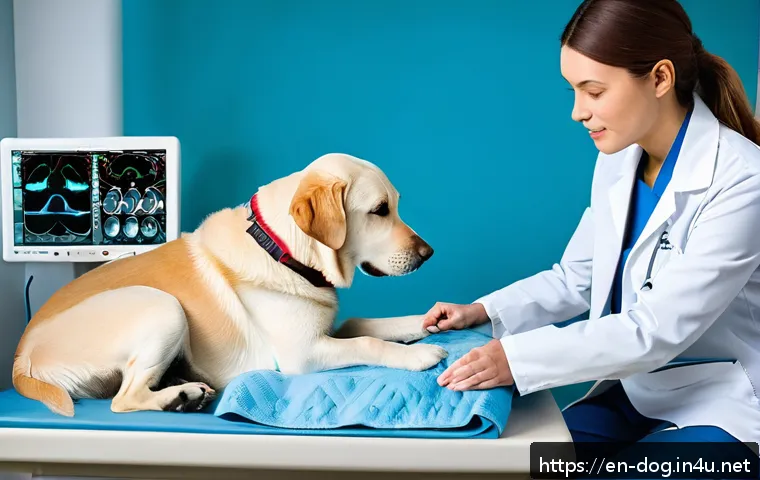
A typical wellness exam is much more than a quick once-over. When I take my dog to the vet, they start by checking vital signs like heart rate, temperature, and respiratory rate.
They also perform a thorough physical exam, examining the eyes, ears, teeth, skin, and coat condition. This hands-on approach helps detect abnormalities early, such as lumps or infections that might not be obvious at home.
It’s like getting a full report card on your dog’s health, and it often leads to recommendations for further testing if anything unusual pops up.
Why Annual Exams Are Crucial at Every Age
Many pet parents assume that only puppies or seniors need frequent vet visits, but that’s a misconception. Dogs of all ages benefit from annual checkups because health issues can develop silently.
For example, young dogs might show early signs of congenital conditions, while adult dogs can develop allergies or minor infections that escalate if untreated.
Regular exams build a health baseline, so your vet knows what’s normal for your dog and can spot changes faster. Personally, I’ve noticed that consistent visits have helped catch minor issues before they turned into costly treatments.
How to Prepare for Your Dog’s Vet Visit
To make the most of the appointment, it’s helpful to bring a list of any behavioral changes, appetite shifts, or concerns you’ve noticed. I always jot down questions beforehand, like “Is my dog’s weight okay?” or “Could this cough be something serious?” Also, having your dog’s medical history handy ensures the vet has all the info needed to make informed decisions.
Bringing your pup’s favorite treat or toy can keep them calm during the exam, making the whole experience smoother for everyone involved.
Essential Diagnostic Tests to Monitor Health
Blood Work and What It Reveals
Blood tests are a cornerstone of preventive care. They provide insight into organ function, detect infections, and reveal signs of diseases like diabetes or kidney issues long before symptoms appear.
From my experience, vets often recommend a complete blood count (CBC) and blood chemistry panel, especially for dogs over five years old. These tests are invaluable because they catch subtle changes that can be managed more effectively if caught early.
Urinalysis and Its Role in Detecting Problems
Urinalysis complements blood work by checking kidney function and urinary tract health. It’s especially useful for spotting urinary tract infections or early kidney disease.
During one visit, my vet caught a minor urinary infection through this test, which we treated quickly, avoiding more serious complications. It’s a simple, non-invasive test that offers a lot of information, making it a must-have during regular checkups.
Imaging Techniques: X-rays and Ultrasounds
Imaging is not always part of a routine exam but can be crucial when vets suspect internal issues. X-rays help evaluate bones, joints, and detect abnormalities like tumors or blockages.
Ultrasounds give a closer look at soft tissues and organs. I remember when my dog’s persistent coughing led to an ultrasound, which revealed a mild heart enlargement.
Early detection allowed us to manage the condition with medication, improving her quality of life significantly.
Tailoring Checkups for Senior Dogs
Common Age-Related Conditions to Watch For
As dogs age, they become more susceptible to arthritis, dental disease, heart problems, and cognitive decline. Senior dogs benefit from more frequent visits and targeted screenings to manage these issues proactively.
I’ve seen firsthand how early intervention in arthritis can keep a dog active and comfortable much longer. Regular dental cleanings are also critical since poor oral health can impact overall wellness.
Adjusting Nutrition and Lifestyle Based on Vet Advice
Veterinarians often recommend diet changes or supplements for older dogs to support joint health, improve digestion, or boost immunity. After my dog turned eight, my vet suggested a diet rich in omega-3 fatty acids and antioxidants, which noticeably improved her coat and energy levels.
Tailored exercise routines also help maintain muscle tone without overexertion, something I’ve incorporated after vet recommendations.
Monitoring Cognitive Health in Aging Dogs
Cognitive dysfunction syndrome (CDS) is like dementia in humans and can affect older dogs. Vets can provide behavioral assessments and suggest strategies to slow progression, such as environmental enrichment and medications.
Watching for signs like disorientation, changes in sleep patterns, or decreased interaction is key. I noticed my elderly dog showing mild confusion, and after consulting our vet, we introduced puzzle toys and gentle mental stimulation, which made a positive difference.
Vaccinations and Parasite Prevention: Keeping Threats at Bay
Core Vaccines Every Dog Needs
Vaccines protect against serious diseases like rabies, distemper, and parvovirus. I always make sure my dog’s vaccination schedule is up to date because these diseases are often fatal but preventable.
The vet customizes vaccine timing based on age, lifestyle, and risk factors, ensuring the best protection. It’s reassuring to know my dog is shielded from these threats, especially when she’s around other pets or outdoors frequently.
Flea, Tick, and Heartworm Prevention Strategies
Parasite prevention is a year-round commitment in many regions. Fleas and ticks not only cause discomfort but can transmit dangerous illnesses. Heartworm, transmitted by mosquitoes, is another silent threat.
My vet recommends monthly preventives tailored to our geographic area and seasonality. I’ve learned that consistency is key—missing even one dose can leave your dog vulnerable.
Using combination preventives simplifies the process and boosts compliance.
Regular Screening for Parasite Exposure
Even with preventives, periodic testing for parasites is important, especially if your dog spends a lot of time outdoors. Fecal exams detect intestinal parasites, while blood tests screen for heartworm and tick-borne diseases.
I’ve had vets catch low-level infestations early, which we treated swiftly to avoid complications. Incorporating these screenings into annual visits makes parasite control more effective overall.
Dental Care as a Vital Part of Health Checks
Signs Your Dog Needs a Dental Evaluation
Bad breath, excessive drooling, difficulty eating, or pawing at the mouth can signal dental problems. I noticed my dog’s reluctance to chew toys, which prompted a dental exam revealing tartar buildup and gingivitis.
Addressing these issues early prevents pain and more serious infections that can affect the heart and kidneys. Don’t overlook dental care—it’s often the gateway to overall health.
Professional Teeth Cleaning and Home Care Tips
Professional cleanings under anesthesia are typically recommended annually or biannually for most dogs. Between visits, brushing your dog’s teeth with vet-approved toothpaste is crucial.
I started brushing daily, which dramatically reduced plaque and made vet cleanings easier. Dental chews and toys can supplement brushing but shouldn’t replace it.
Consistency is key, and your vet can demonstrate proper techniques during visits.
How Dental Health Impacts Overall Wellness
Poor oral health can lead to systemic infections and worsen chronic diseases. I’ve seen dogs with untreated dental disease develop heart valve infections, a serious complication.
Keeping teeth and gums healthy supports the immune system and enhances your dog’s comfort and quality of life. It’s one of those areas where prevention truly saves money and stress in the long run.
Interpreting Results and Planning Next Steps
Understanding Your Vet’s Recommendations
After tests and exams, vets provide tailored advice based on findings. Sometimes, it means lifestyle changes, medications, or follow-up tests. I always ask for clarification if anything isn’t clear and take notes to ensure I don’t forget important details.
This dialogue helps me feel confident in managing my dog’s health proactively.
Setting Up a Health Tracking System at Home
Keeping a health journal or using apps to track your dog’s weight, appetite, medications, and behavior changes can be invaluable. I maintain a folder with vaccination records, test results, and vet notes, which makes sharing info with new vets or emergency clinics easier.
This ongoing record helps detect subtle trends and facilitates better care decisions.
When to Seek Immediate Veterinary Attention
Knowing which signs require urgent care is critical. Symptoms like persistent vomiting, difficulty breathing, seizures, or sudden weakness warrant immediate vet visits.
I learned this the hard way when my dog showed rapid breathing and lethargy one night; quick action probably saved her life. Your vet can provide guidelines on emergency signs during routine visits, so you’re prepared if the unexpected happens.
| Checkup Type | Purpose | Recommended Frequency | Key Benefits |
|---|---|---|---|
| Annual Wellness Exam | Comprehensive physical health evaluation | Once per year | Early detection of health issues, baseline health data |
| Blood Tests | Assess organ function and detect disease | Annually or as advised | Identifies hidden health problems, guides treatment |
| Urinalysis | Check kidney and urinary tract health | Annually or when symptoms appear | Detects infections, kidney disease early |
| Imaging (X-rays/Ultrasound) | Visualize bones and internal organs | As needed based on symptoms | Diagnoses internal issues, monitors chronic conditions |
| Dental Check and Cleaning | Maintain oral health | Annually or biannually | Prevents dental disease, improves overall health |
| Vaccinations | Prevent infectious diseases | Follow vet schedule (usually annually) | Protects against serious, often fatal diseases |
| Parasite Screening | Detect intestinal and blood parasites | Annually or more frequently if at risk | Prevents parasite-related illness |
Wrapping Up
Regular wellness exams are essential for maintaining your dog’s health throughout their life. These checkups help catch issues early, guide preventive care, and provide peace of mind. By staying proactive and informed, you can ensure your furry friend enjoys a happy, healthy life. Remember, your vet is a valuable partner in this journey, so don’t hesitate to ask questions and share concerns.
Helpful Tips to Remember
1. Keep a detailed health journal to track your dog’s weight, appetite, and behavior changes between visits.
2. Prepare a list of questions or observations before vet appointments to make discussions more productive.
3. Stay consistent with vaccinations and parasite preventives to protect your dog year-round.
4. Incorporate dental care into your routine with regular brushing and professional cleanings.
5. Observe your dog closely for any sudden or unusual symptoms that may require urgent veterinary attention.
Key Takeaways
Annual wellness exams are vital for dogs of all ages to detect health issues early and maintain overall well-being. Diagnostic tests such as blood work, urinalysis, and imaging play a critical role in uncovering hidden problems. Tailoring care for senior dogs, including nutrition adjustments and cognitive monitoring, enhances their quality of life. Preventive measures like vaccinations and parasite control are essential to ward off serious diseases. Lastly, dental health significantly impacts overall wellness, so regular checkups and home care should never be overlooked.
Frequently Asked Questions (FAQ) 📖
Q: uestionsQ1: How often should I take my dog for a vet checkup to ensure early detection of health issues?
A: Generally, adult dogs benefit from a thorough vet checkup at least once a year, but puppies and senior dogs require more frequent visits—puppies every few weeks during their first months and seniors every six months.
Regular screenings help catch problems early, such as dental disease, arthritis, or organ issues, often before you notice symptoms. From my experience, sticking to this schedule not only reduces costly treatments later but also keeps your pup feeling their best.
Q: What are the essential tests included in a routine veterinary health screening?
A: A standard vet checkup usually involves a physical exam, blood work to assess organ function, urine analysis, and sometimes fecal tests to check for parasites.
Depending on your dog’s age and breed, your vet might recommend heartworm testing, dental checks, or even specialized screenings like thyroid function tests.
Personally, I found that these comprehensive tests gave me peace of mind, knowing my dog’s health was being monitored proactively.
Q: How can I recognize early signs of health problems in my dog between vet visits?
A: Keep an eye out for subtle changes like decreased appetite, lethargy, unusual lumps, coughing, limping, or changes in bathroom habits. Behavioral shifts, such as increased irritability or withdrawal, can also signal discomfort or illness.
From what I’ve seen, catching these early signs and consulting your vet promptly can make a huge difference in treatment success and your dog’s overall happiness.