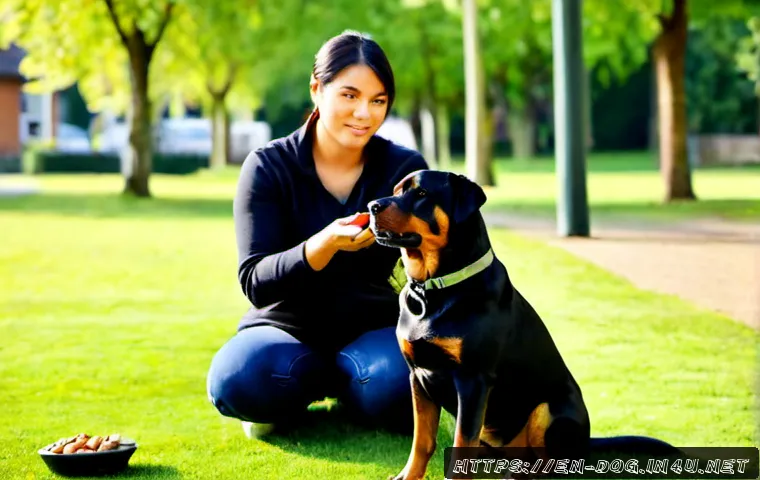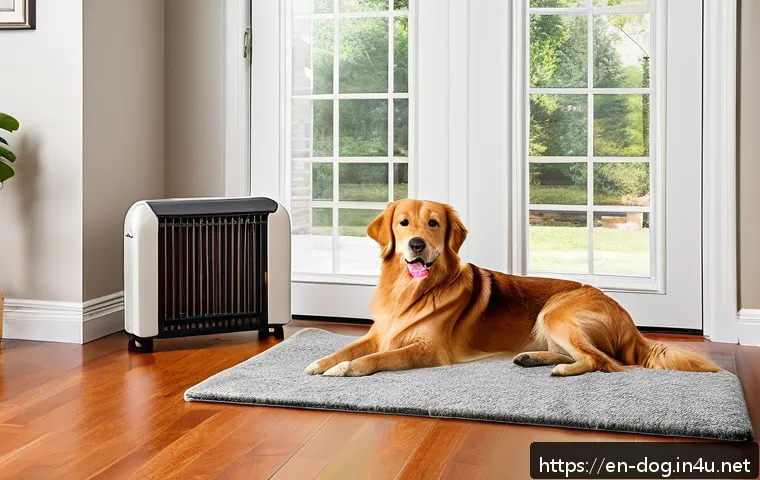
With more people welcoming furry friends into their homes than ever before, managing dog hair allergies has become a hot topic in many households. If you’ve ever found yourself sneezing or dealing with itchy eyes despite your love for your pup, you’re not alone.
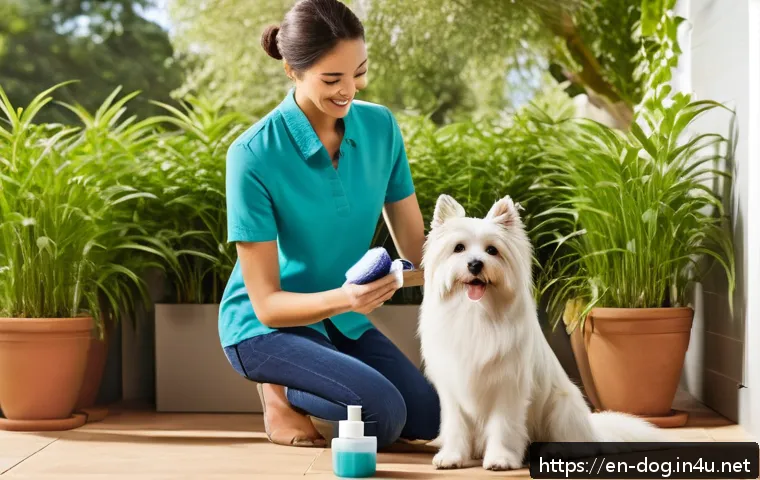
The good news is that there are practical strategies to minimize allergic reactions while keeping your living space cozy and pet-friendly. In this post, I’ll share effective tips that I’ve personally tested to help you enjoy your dog’s company without compromising your comfort.
Let’s dive into how small changes can make a big difference for allergy sufferers and pet lovers alike.
Creating a Clean Haven: Home Environment Adjustments
Investing in High-Quality Air Purifiers
When dealing with dog hair allergies, one of the most impactful changes you can make is improving your home’s air quality. I’ve tried several air purifiers over the years, and those equipped with HEPA filters truly stand out.
These filters trap pet dander and airborne allergens that regular vacuuming misses. Placing purifiers in commonly used rooms like the living room and bedroom helps reduce the particles you breathe in daily.
From personal experience, running an air purifier during allergy season noticeably decreases sneezing and congestion. Plus, some models are whisper-quiet, so you won’t even notice they’re there.
Adopting a No-Carpet Policy or Using Washable Rugs
Carpets can be a magnet for pet hair and dander, embedding allergens deep within their fibers. I switched to hardwood floors with washable area rugs, and it made a world of difference.
Rugs that can be tossed in the washing machine regularly keep allergens at bay and freshen up your space. If you can’t part with your carpet, routine steam cleaning and vacuuming with a vacuum designed for pet owners can help reduce allergen buildup.
Even small changes like placing washable mats near dog beds or food areas prevent hair accumulation in high-traffic zones.
Designating Pet-Free Zones for Allergy Relief
Creating areas in your home where your dog isn’t allowed can offer a sanctuary for allergy sufferers. My bedroom is strictly off-limits to my pup, which means I get to sleep without waking up to itchy eyes or nasal congestion.
This boundary helps keep your resting areas free from excess dander and hair. Use baby gates or closed doors to enforce these zones. Over time, these pet-free spaces become your allergy relief havens, where you can breathe easier and recharge without discomfort.
Daily Grooming Habits That Make a Difference
Regular Brushing with the Right Tools
Brushing your dog frequently is a simple yet highly effective way to reduce airborne hair and dander. I learned that using a slicker brush or a deshedding tool designed for your dog’s coat type can dramatically minimize shedding.
Brushing outside or in a well-ventilated area prevents loose fur from spreading indoors. Additionally, it keeps your dog’s coat healthier and reduces matting, which traps more allergens.
Consistency is key here—daily brushing during shedding season offers the best results.
Bathing Practices That Control Allergens
Bathing your dog regularly helps wash away dander and loose hair. From my experience, using a hypoallergenic pet shampoo that’s gentle on the skin but tough on allergens works wonders.
However, over-bathing can dry out your dog’s skin, so finding the right balance is important. Typically, a bath every two to four weeks suffices for most breeds, but this varies depending on your dog’s coat and lifestyle.
Make sure to dry your dog thoroughly to prevent any skin irritation.
Keeping Dog Bedding Clean and Fresh
Dog beds can accumulate a surprising amount of allergens if not cleaned frequently. I make it a habit to wash my dog’s bedding weekly in hot water, which kills dust mites and removes dander.
Using washable covers and vacuuming the bed area regularly adds another layer of protection. If your dog has multiple resting spots, rotate the cleaning schedule to cover all areas.
Fresh bedding not only reduces allergens but also keeps your pup comfortable and happy.
Choosing Allergy-Friendly Dog Breeds and Products
Identifying Hypoallergenic Breeds
While no dog is 100% hypoallergenic, some breeds tend to produce fewer allergens. Breeds like Poodles, Bichon Frises, and Portuguese Water Dogs have hair that’s more similar to human hair, which sheds less and carries fewer allergens.
I’ve met several allergy sufferers who found their symptoms manageable after switching to these breeds or adopting mixes with hypoallergenic traits. It’s important to spend time with the breed before committing, as individual reactions can vary.
Using Allergen-Reducing Pet Products
There are shampoos, sprays, and wipes formulated specifically to reduce pet dander and allergens on your dog’s coat. I’ve used sprays that coat the fur to trap dander, which then washes off during the next bath.
Some pet wipes offer a quick way to freshen up your dog after outdoor walks or playtime. Combining these products with regular grooming creates a multi-layered defense against allergens.
Always check ingredient lists to avoid products that might irritate your dog’s skin.
Balancing Breed Choice with Lifestyle
Choosing a dog based on allergy considerations alone isn’t enough; lifestyle compatibility is key. Active breeds may require more outdoor exercise and grooming, which can influence allergen exposure patterns.
I’ve found that a calm, low-shedding dog fits better with my indoor lifestyle and allergy management goals. Consider your home environment, activity level, and allergy severity when selecting a breed to ensure a harmonious match that benefits both you and your furry friend.
Smart Cleaning Techniques to Combat Allergens
Vacuuming with Pet-Specific Machines
Regular vacuuming is crucial, but not all vacuums handle pet hair effectively. I invested in a vacuum with strong suction and a HEPA filter designed for pet owners, which captures fine particles and dander.
Vacuuming at least three times a week, especially in areas your dog frequents, significantly cuts down allergen presence. Don’t forget upholstery and curtains, as these fabrics also trap pet hair.
Cleaning under furniture and behind cushions rounds out a thorough routine.
Washing Soft Furnishings Frequently
Couches, throw pillows, and blankets can be hotspots for pet allergens. I schedule weekly washes for washable covers and use fabric sprays that neutralize allergens between washes.
For non-washable items, a quick run with a lint roller or pet hair remover brush works well. If your dog likes snuggling on the couch, consider placing a washable throw blanket that can be cleaned regularly.
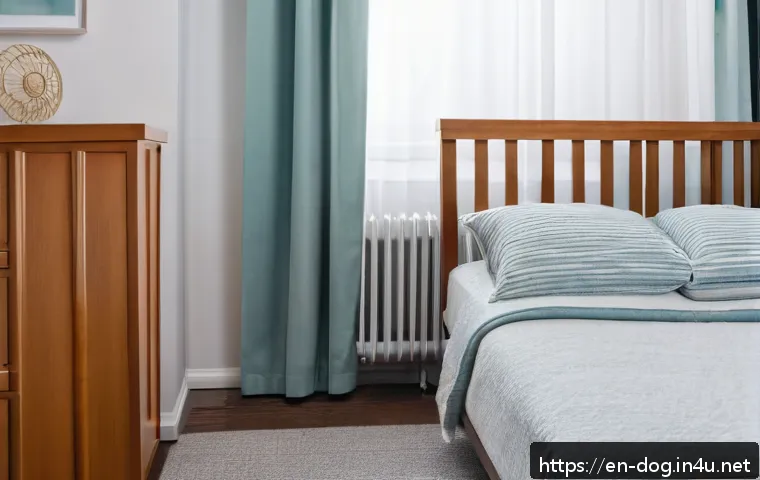
This simple step reduces allergen buildup and keeps your living space fresh.
Maintaining Ventilation and Humidity Levels
Proper airflow reduces the concentration of allergens indoors. I open windows when weather permits and use exhaust fans in kitchens and bathrooms to improve circulation.
Additionally, maintaining indoor humidity between 40-50% helps prevent dust mites, which thrive in higher humidity. I use a humidifier in winter and a dehumidifier in summer to keep levels balanced.
This combination creates a less hospitable environment for allergens and promotes overall comfort.
Personal Care Strategies for Allergy Relief
Implementing Hand and Face Washing Routines
After playing or cuddling with your dog, washing your hands and face promptly can prevent allergens from lingering and causing irritation. I’ve noticed that this simple habit drastically reduces eye itching and sneezing episodes.
Carrying hypoallergenic wipes during walks or visits to friends’ homes can also help keep allergens at bay. This is especially useful when you can’t immediately shower or change clothes.
Choosing Allergy-Friendly Clothing
Certain fabrics attract and hold pet hair more than others. I tend to wear smooth, tightly woven fabrics like cotton or polyester blends that don’t trap hair easily.
Avoiding wool or fleece when interacting with your dog helps minimize itching. Additionally, changing clothes after extended playtime reduces the amount of hair and dander you carry around.
Keeping a lint roller handy is also a lifesaver for quick touch-ups.
Consulting with Allergy Specialists for Personalized Advice
If your symptoms persist despite your best efforts, seeing an allergist can provide tailored solutions. I consulted with a specialist who recommended specific medications and immunotherapy options that dramatically improved my quality of life.
Allergy testing can identify the exact triggers, helping you focus your management strategy more effectively. Don’t hesitate to seek professional guidance; it’s a valuable step toward living comfortably with your pet.
| Strategy | Benefits | Personal Tips |
|---|---|---|
| Air Purifiers with HEPA Filters | Reduces airborne pet dander, improves breathing comfort | Place in living and sleeping areas; run continuously during allergy season |
| Regular Dog Grooming | Minimizes loose hair and dander, promotes healthy coat | Brush outside daily; use hypoallergenic shampoos every 2-4 weeks |
| Designated Pet-Free Zones | Creates allergen-free spaces for rest and relief | Keep bedroom pet-free; use gates or closed doors to enforce |
| Vacuuming with Pet-Specific Machines | Effectively removes hair and dander from floors and furniture | Vacuum 3+ times weekly; focus on upholstery and curtains too |
| Washing Bedding and Soft Furnishings | Eliminates accumulated allergens, keeps environment fresh | Wash dog bedding weekly; use washable throws on furniture |
Maintaining Emotional Balance While Managing Allergies
Understanding Your Limits and Setting Realistic Goals
It’s important to acknowledge that managing dog hair allergies is a gradual process, and perfection isn’t realistic. I found that setting achievable goals, like reducing symptoms enough to enjoy daily life comfortably, helped me stay motivated.
Some days are harder than others, and that’s okay. Recognizing your limits without guilt allows you to make better decisions about when to take breaks or seek additional help.
Engaging Support Networks and Pet Communities
Connecting with others who share your situation can be a huge emotional boost. I joined online forums and local pet allergy groups where members exchange tips, product recommendations, and encouragement.
Knowing you’re not alone makes the journey less isolating and more manageable. Plus, hearing success stories and creative solutions inspires new approaches you might not have considered.
Celebrating Small Wins and Maintaining Positivity
Every time you notice fewer allergy symptoms or a cleaner living space, take a moment to appreciate the progress. I’ve learned that celebrating these small victories keeps my spirits high and reinforces positive habits.
Maintaining a sense of humor and patience with yourself and your pet turns what could be a frustrating challenge into a rewarding experience. After all, the joy your dog brings is worth every effort.
Closing Thoughts
Managing dog hair allergies is definitely a journey that requires patience and consistent effort. By making thoughtful changes in your home environment and daily habits, you can create a comfortable space for both you and your furry friend. Remember, small adjustments add up to big improvements in your allergy symptoms. Stay positive and keep experimenting with what works best for your unique situation.
Helpful Tips to Keep in Mind
1. Invest in air purifiers with HEPA filters to significantly reduce airborne allergens in your living spaces.
2. Groom your dog regularly using the right tools to minimize shedding and dander buildup.
3. Create pet-free zones, especially in bedrooms, to give yourself allergen-free areas for rest.
4. Vacuum frequently with pet-specific machines and wash soft furnishings regularly to keep allergens under control.
5. Consult allergy specialists if symptoms persist to receive personalized treatment and advice.
Key Takeaways for Allergy Management
Effectively managing dog hair allergies involves a combination of environmental adjustments, consistent pet grooming, and personal care routines. Prioritizing clean air, minimizing allergen hotspots, and maintaining good hygiene are essential steps. It’s equally important to set realistic expectations and seek professional guidance when needed. This balanced approach ensures a healthier, happier life with your dog without compromising your well-being.
Frequently Asked Questions (FAQ) 📖
Q: uestions about Managing Dog Hair
A: llergies
Q: How can I reduce dog hair allergens in my home without giving up my pet?
A: From my experience, regular grooming is a game changer. Brushing your dog daily helps remove loose fur and dander before it spreads around your house.
I also found that giving your dog frequent baths with hypoallergenic shampoos can significantly cut down allergens. Additionally, using HEPA air purifiers and vacuum cleaners with strong filtration really helps trap airborne pet particles.
Creating pet-free zones, especially in bedrooms, keeps the sleeping area allergen-free and improves overall comfort.
Q: Are there specific dog breeds that are better for allergy sufferers?
A: While no dog breed is 100% hypoallergenic, some breeds tend to produce fewer allergens or shed less hair. Breeds like Poodles, Bichon Frises, and Portuguese Water Dogs are popular among allergy sufferers because their coats trap dander more effectively.
When I chose my dog, I spent time around different breeds to see how my allergies reacted, and that hands-on approach made a huge difference. Keep in mind that individual dogs vary, so spending time with the dog before adopting is key.
Q: What lifestyle changes can help me manage allergy symptoms while living with a dog?
A: Beyond cleaning and grooming, I noticed that washing my hands after petting my dog and avoiding touching my face helped reduce sneezing and itchy eyes.
Using saline nasal sprays or antihistamines prescribed by a doctor can provide relief during allergy flare-ups. Also, washing your pet’s bedding and toys regularly minimizes allergen buildup.
Making these small but consistent adjustments allows you to enjoy your dog’s companionship without constantly battling allergy discomfort.