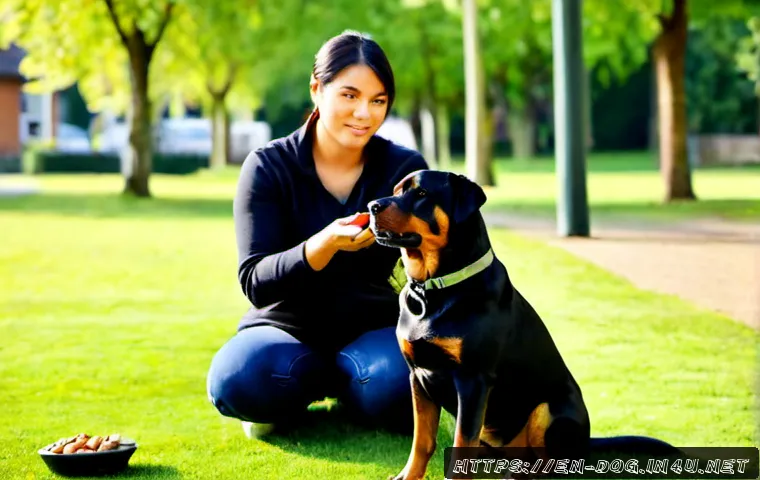
A well-socialized Rottweiler is typically calm, confident, observant, and deeply loyal, but its size and strength make early manners and consistent handling essential.
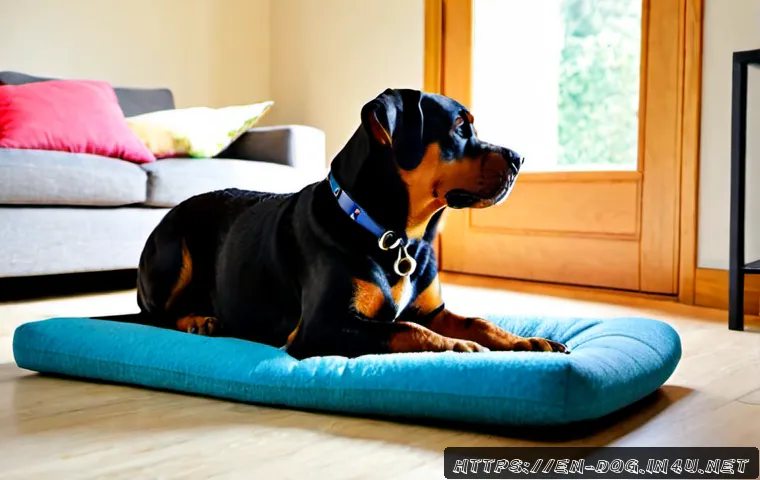
Home training can work well for a stable dog with manageable behavior, while private training or behavior support may be a sensible investment when safety, fear, guarding, or reactivity are concerns.
The right training format depends on your dog’s needs, your household, and how much hands-on guidance you need. A puppy class can offer controlled exposure and basic skills, while private sessions can focus on real-life challenges such as pulling, jumping, or visitor management.
Reward-based training, clear household rules, and gradual socialization are practical foundations for this breed. Before paying for a trainer, compare methods, safety standards, class structure, and follow-up support rather than choosing based on convenience alone.
At a Glance
- Rottweilers are not automatically aggressive. Well-bred, well-managed individuals are commonly described as calm, confident, courageous, and self-assured.
- Early training matters because size matters. Pulling, jumping, and guarding can become much harder to manage as a powerful dog matures.
- Choose support based on the situation. Group classes suit many puppies, while private training or behavior consultation may be more appropriate for serious concerns.
| Training Option | Best Fit | What to Compare Before Choosing |
|---|---|---|
| Puppy Group Class | Young dogs needing basic cues, controlled exposure, and owner coaching | Class size, supervised interactions, reward-based methods, and whether nervous puppies can take breaks |
| Private Dog Trainer | Jumping, pulling, home routines, visitor management, or household-specific goals | Trainer experience with large breeds, training plan, follow-up support, and safety practices |
| Online Training Program | Owners who need flexible lessons and a structured home-training routine | Clear demonstrations, practical progression, access to support, and whether it matches your dog’s needs |
| Behavior Consultation | Fear, reactivity, guarding, sudden behavior changes, or safety concerns | Whether veterinary guidance is needed, how risk is assessed, and what management plan is offered |
What a Well-Socialized Rottweiler Is Usually Like
Loyal, Observant, and Confident—Not Automatically Aggressive
Rottweilers are large, powerful working dogs originally developed for driving livestock and guarding property. Those roots can help explain why many are observant around unfamiliar people or changes in their environment. However, being watchful is not the same as being aggressive.
Breed descriptions generally emphasize a dog that is calm, confident, courageous, and self-assured, rather than nervous or needlessly confrontational. A stable Rottweiler may notice a visitor, pause to assess the situation, and then settle when the household shows that the person is welcome.
Owners should avoid assuming that every Rottweiler will behave the same way around children, cats, visitors, or other dogs. Individual temperament can be influenced by genetics, early experiences, health, training, and daily management. A direct assessment is more useful than relying on breed reputation alone.
Why Size and Strength Make Manners a Safety Priority
A small dog that jumps or pulls can still be inconvenient. A large, powerful dog doing the same thing can create a genuine handling problem. That is why loose-leash walking, calm greetings, recall, and settling should be treated as practical safety skills rather than optional tricks.
Consistent training also makes everyday life easier. A dog that waits calmly at a doorway, accepts handling, and can relax when visitors arrive is easier to manage in homes, apartment communities, boarding settings, and veterinary environments.
Start before poor habits become rehearsed. If a puppy learns that pulling gets it to interesting places or jumping earns attention, the behavior may become more difficult to change as the dog grows.
Traits That Vary Between Individual Dogs
One Rottweiler may enjoy meeting new people, while another may prefer distance and a slower introduction. One may be social with familiar dogs, while another may need more careful management in busy environments. These differences do not automatically indicate a problem.
What matters is whether the dog can remain safe, responsive, and manageable. A dog that can disengage from a distraction, take direction from its handler, and recover after a surprising event is usually easier to support than one that repeatedly escalates.
If you are choosing a puppy or assessing a newly adopted adult dog, ask practical questions about temperament, handling tolerance, exposure history, and household routines. Avoid making a decision based only on appearance, confidence, or guarding instincts.
Training Support Options: What Delivers the Best Value?
Puppy Group Class vs. Private Trainer vs. Online Course
A puppy group class can provide structured practice around people, dogs, sounds, movement, and basic training distractions. It may be useful for teaching name response, recall foundations, settling, handling tolerance, and polite leash skills. The value depends heavily on safe class management and whether each puppy can learn without being overwhelmed.
A private trainer can be more useful when the challenge happens at home or on regular walks. Private sessions allow an owner to work on specific issues such as jumping on guests, pulling toward distractions, managing doorways, or creating consistent rules among family members.
An online training program may suit owners who are comfortable practicing regularly and want flexible guidance. It can be a practical tool for reinforcing cues and building a routine, but it may not be enough when behavior involves fear, aggression, guarding, or a high level of risk.
For a large breed, the best value is not necessarily the shortest program. Look for a format that helps you practice safely, understand your dog’s signals, and maintain progress after the initial lessons end.
When a Behavior Consultation May Be More Appropriate
Standard group training is not designed to solve every behavior concern. Consider more specialized support when a dog shows repeated fear, reactivity, guarding behavior, or behavior that creates a safety concern for people or animals.
Sudden behavior changes deserve particular attention. Pain, illness, stress, or environmental changes can affect behavior. A veterinary professional may be an important first step when a dog becomes unusually irritable, withdrawn, defensive, or reactive without an obvious explanation.
A behavior consultation should focus on safety, management, realistic goals, and a plan that fits the dog’s home environment. It should not promise that every fearful or aggressive behavior can be resolved through a few standard classes.
Questions to Ask About Methods, Class Safety, and Trainer Experience
Before enrolling, ask how the trainer teaches new behavior. Reward-based training is widely recommended because it builds desired responses without relying on fear or intimidation. Ask for clear examples of what the trainer does when a dog is worried, overexcited, or unable to cope with the setting.
- How are dogs introduced to people and other dogs during class?
- Can a dog have space or a break if it appears stressed?
- What is the class size, and how closely are interactions supervised?
- How does the trainer teach loose-leash walking, recall, and calm greetings?
- Does the trainer have experience working with large dog breeds and household management?
- Is follow-up coaching available if the owner needs help applying the lessons at home?
A good training service should explain its methods clearly. If the approach depends on intimidation, pain, or forcing a frightened dog into contact, consider whether that approach supports long-term confidence and safety.
A Step-by-Step Training Plan From Puppyhood to Adulthood
Start With Name Response, Recall, Settling, and Loose-Leash Walking
Begin with short, repeatable exercises. Teach the puppy that hearing its name predicts attention and a reward. Practice recall in low-distraction places before expecting it to work around people, dogs, or unfamiliar environments.
A settle cue is especially useful for a Rottweiler. It teaches the dog that calm behavior has value, whether the household is eating, guests are visiting, or activity is happening nearby. Reward quiet choices such as lying down, staying near you calmly, or looking away from a distraction.
For loose-leash walking, reward the dog for staying near you before tension builds. Do not wait until pulling is strong and constant. A well-fitted, durable training leash and appropriate walking equipment can make practice more manageable, but equipment does not replace training.
Build Calm Greetings and Handling Tolerance
Teach greetings as a calm routine, not an exciting event. If the dog jumps, turns away or becomes overexcited, reduce the pressure. Reward four paws on the floor, a pause before greeting, and the ability to look back at the handler.
Handling practice should be gentle and gradual. Pair brief touches of the paws, ears, collar area, and body with rewards. This can help prepare a dog for everyday grooming, equipment checks, and veterinary handling without turning restraint into a struggle.
Do not assume that every person should greet your dog. A Rottweiler does not need to interact with every stranger to be well socialized. It needs to learn that unfamiliar people can exist nearby without becoming a threat or an obligation.
Practice Cues Around Everyday Distractions
Once basic skills are reliable at home, add distractions slowly. Practice a simple cue near a quiet sidewalk, then in a slightly busier setting, and then around controlled activity. The goal is not to test the dog until it fails. The goal is to build success in manageable steps.
Use the same household words and rules. If one person allows jumping while another corrects it, the dog receives mixed information. Consistency is particularly important for behaviors involving doors, furniture, food, visitors, and leash walking.
Keep sessions brief enough that the dog can stay engaged. End after a good repetition rather than pushing until the dog is tired, frustrated, or overstimulated.
Socialization Without Overwhelming Your Dog
Safe Exposure to People, Dogs, Vehicles, and Unfamiliar Places
Socialization is not a checklist of forced encounters. It is a process of helping a puppy learn that ordinary life can be safe and predictable. This may include seeing people of different ages, hearing traffic, walking on unfamiliar surfaces, visiting new places, and observing dogs at a comfortable distance.
Choose controlled experiences when possible. A calm observation from a distance may be more useful than a close interaction that leaves the dog worried. Reward calm attention, relaxed movement, and the choice to check in with you.
Group puppy classes can support socialization when the environment is well managed. They should not become chaotic free-for-alls where puppies are pressured to interact regardless of comfort level.
Reading Stress Signals and Knowing When to Create Distance
Watch for signs that your dog may need more space. These can include attempts to move away, difficulty focusing, stiff body posture, repeated scanning, or an inability to settle. The exact meaning of a signal depends on the situation, but the practical response is often the same: reduce pressure and create distance.
Distance is not failure. Moving away from a crowded path, changing direction, or allowing a dog to watch from farther away can prevent a difficult situation from getting worse. It also gives you an opportunity to reward calm behavior before the dog becomes overwhelmed.

If stress or reactivity is recurring, do not rely on increasingly intense exposure. A qualified professional can help assess the situation and create a safer training plan.
Why Forced Greetings Can Create Problems
Forcing a dog to be touched, approached, or held in place can increase discomfort. This is especially important with a large guardian-type breed, where discomfort may later be expressed through avoidance, defensive behavior, or loss of trust.
Let greetings be optional and structured. Ask visitors to ignore the dog at first when appropriate. Give the dog room to observe, and reward calm choices. A dog that chooses to remain neutral is often showing a useful, manageable response.
Common Training Mistakes and Safety Concerns
Waiting Until the Dog Is Large to Address Jumping or Pulling
It is easier to teach a young dog that calm behavior works than to change a habit after the dog has gained size and strength. Do not dismiss pulling, jumping, or rushing through doors as harmless puppy behavior if it is happening repeatedly.
Use daily routines as training opportunities. Ask for a pause before clipping on the leash. Reward calm waiting before meals. Practice walking a few steps on a loose leash instead of treating every walk as a separate training project.
Using Inconsistent Rules Among Household Members
Rottweilers benefit from clear, predictable routines. Decide what is allowed before problems appear. Can the dog greet visitors at the door? Is furniture access allowed? Who handles feeding, walking, and training? What happens when the dog becomes excited?
Consistency does not mean harshness. It means the dog receives the same general message from each person. Clear expectations combined with reward-based practice are easier for a dog to understand than changing rules or punishment-based handling.
When Reactivity, Guarding, or Sudden Behavior Changes Need Expert Help
Guarding behavior, intense reactions to people or dogs, or escalating conflict in the home should not be minimized. Avoid putting the dog in situations where it may rehearse unsafe behavior. Manage access, create distance, and seek appropriate guidance.
Sudden changes in temperament can be linked to pain, illness, stress, or environmental changes. Veterinary guidance may be warranted before assuming that the issue is purely a training problem.
Local rules can also matter. Depending on where you live, leash requirements, licensing rules, housing policies, pet insurance terms, or breed-related restrictions may apply. Confirm the requirements that affect your household before making assumptions about ownership or coverage.
Choosing Training Support: Cost, Safety, and Fit
A Quick Decision Checklist for Owners
Use these questions before selecting a puppy class, private dog trainer, online program, or behavior consultation:
- Is my dog currently safe and manageable around the situations we face every week?
- Do we need general skills, or do we need help with a specific household problem?
- Can the trainer explain a reward-based approach and their safety procedures clearly?
- Will the setting give my dog enough space to learn without being overwhelmed?
- Do we need guidance on equipment, walking routines, visitor management, or ongoing practice?
- Have we checked local housing, leash, licensing, and pet insurance requirements?
Matching the Service Level to Your Dog and Household
A stable puppy with no major concerns may benefit most from a carefully managed group class plus consistent home practice. A dog that pulls hard, jumps on visitors, or struggles with home routines may gain more from private training that happens in the relevant environment.
If the dog shows fear, guarding, reactivity, or a sudden change in behavior, move beyond a basic comparison of classes. Consider whether a behavior consultation and veterinary guidance are more appropriate for the level of concern.
Compare local training formats before enrolling. Look at the provider’s methods, class safety approach, practical support, and whether the service fits your dog rather than choosing only by schedule.
Budgeting for Ongoing Training, Equipment, and Preventive Care
Training is usually most useful when it is treated as an ongoing household habit, not a one-time purchase. Your planning may include professional instruction, durable training equipment, routine veterinary care, and any insurance or housing requirements that apply in your area.
Exact costs vary by provider and location, so request clear information about what is included. Ask whether the service includes an assessment, written training steps, follow-up sessions, or support between appointments.
Choose the level of help that matches the dog’s behavior and your ability to practice consistently. A lower-cost option is not a value if it leaves you without the guidance needed to handle a safety concern.
Selection Criteria and Comparison Summary
First, assess the behavior. Basic manners and controlled puppy socialization may suit a group class, while fear, guarding, reactivity, or sudden behavior changes may require more specialized support.
Second, review the method. Choose reward-based instruction that teaches desired behavior without fear or intimidation.
Third, check the environment. Small enough groups, supervised interactions, and the ability to create distance can make training safer and more productive.
Fourth, match the plan to your home. A private trainer may offer better value when the issue involves visitors, doorways, leash walking, or inconsistent family routines.
Finally, verify local requirements. Review licensing, leash, housing, and pet insurance conditions that may affect a large dog breed in your area. Official guidance and full service conditions should be checked on the relevant provider or local authority page.
Closing Thoughts
Rottweilers can be devoted, capable companions when their needs are taken seriously from the beginning. Calm socialization, clear rules, and reward-based practice help build useful everyday behavior. Because this breed is large and strong, it is wise to address pulling, jumping, guarding, and visitor routines early. When behavior raises a safety concern, getting appropriate professional or veterinary guidance is a practical step, not a failure.
Useful Things to Know
Socialization does not mean constant interaction. Calm observation and the ability to disengage can be just as valuable as friendly greetings.
Equipment supports training; it does not replace it. A durable leash and suitable walking setup can help with management, but consistent practice teaches the behavior.
Neutral behavior is a success. A dog does not need to love every person or dog to be safe and well managed.
Household consistency is part of training. Shared rules reduce confusion and make daily progress easier to maintain.
Important Notes
No article can determine whether a specific Rottweiler is suitable for children, cats, visitors, or other dogs. Individual behavior requires direct observation and may be affected by health, past experiences, training, and environment. Exact training, insurance, boarding, and veterinary costs vary by location and provider. If behavior changes suddenly or creates a safety concern, seek veterinary guidance and consider qualified behavioral support.
Frequently Asked Questions
Q1. Are Rottweilers safe family dogs?
A1. A Rottweiler’s suitability for a family depends on the individual dog, its early experiences, health, training, daily management, and the household itself. Breed standards commonly describe the breed as calm and confident rather than needlessly aggressive, but that does not replace a direct temperament assessment. Clear rules, positive socialization, and supervision are important considerations for any large, powerful dog.
Q2. How much does professional Rottweiler training usually cost?
A2. Exact costs vary by location, provider, training format, and the level of support needed. A group puppy class, private trainer, online program, and behavior consultation may all be priced differently. Compare what is included, such as assessment time, follow-up support, class structure, and practical guidance for your home, before choosing.
Q3. Is a group puppy class enough for a Rottweiler, or should I hire a private trainer?
A3. A well-managed group puppy class may be enough for basic cues, controlled socialization, and owner education when the puppy is coping well. Private training may be more useful for pulling, jumping, visitor routines, household inconsistency, or issues that occur in your specific environment. If fear, reactivity, guarding, or sudden behavior changes are involved, standard group classes alone may not be sufficient; compare local training formats and seek the level of support that matches the concern.