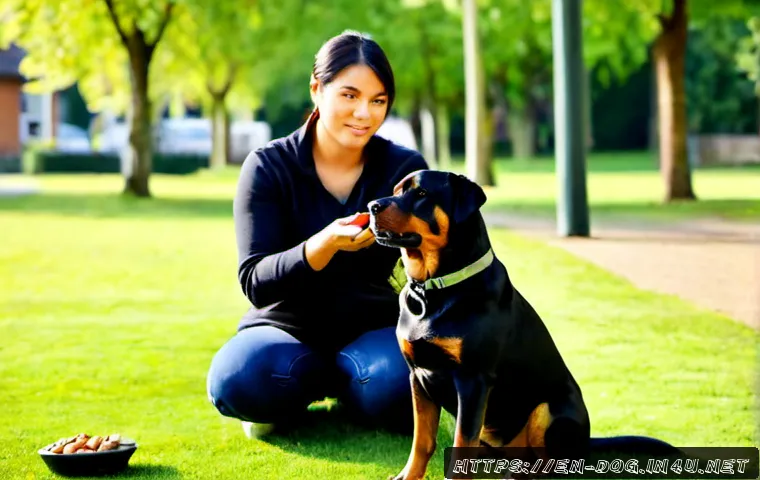
Learn how to find and enter dog-friendly events, check eligibility rules, prepare required records, budget for entry fees and gear, and choose events that suit your dog’s temperament and training level.

The best way to join a dog event is to choose a format that suits your dog, confirm every organizer requirement, and budget beyond the entry fee before you register.
Start with a relaxed festival, charity walk, or fun show if your dog is new to crowds; formal competitions and trials usually need more specific training and eligibility checks.
Event fees, documents, and cancellation rules are set by each organizer, so the official event page is the place to verify details before paying. A small investment in a training class, proper leash setup, grooming, or event-ready gear can be worthwhile when it improves comfort and safety.
Think about your dog’s temperament first, not just the activity that looks fun. The right event should feel manageable for both the handler and the dog.
At a Glance
- Choose an event based on your dog’s confidence, energy level, and comfort around people, dogs, noise, and leashes.
- Check the organizer’s rules for registration deadlines, vaccination records, categories, equipment, and cancellation terms before paying.
- Budget for the full day, including entry fees, travel, grooming, training support, food, water, and event-ready gear.
| Event Type | Best Fit | Typical Preparation | Cost Considerations |
|---|---|---|---|
| Pet-Friendly Festival | Social dogs and first-time attendees | Basic leash manners, comfort with crowds, water and shade plan | Entry may vary; consider parking, travel, and supplies |
| Charity Walk | Beginners and dogs comfortable walking on leash | Leash practice, walking endurance, check-in documents | Registration, optional fundraising, travel, and comfort gear |
| Fun Show | Dogs ready for a light social challenge | Handling practice, waiting calmly, basic grooming | Category entry fee, grooming items, and possible training support |
| Agility or Training Event | Active dogs with foundation training | Skill-level preparation, handler practice, approved equipment | Entry, classes, travel, and sport-specific gear |
| Formal Competition or Trial | Experienced dogs and prepared handlers | Careful category review, conduct rules, documented eligibility | Entry fees can vary widely; include training, grooming, and travel |
Start With the Right Type of Dog Event
Casual Festivals, Charity Walks, Fun Shows, and Judged Competitions
Not every dog event asks the same thing from your dog. A pet-friendly festival or charity walk can be a practical first step because the focus is often on participation and community rather than scoring. A fun show may add light judging or category-based activities, while agility events, formal trials, and judged competitions can have separate requirements for breed, age, skill level, handler eligibility, equipment, and conduct.
Choose the least demanding format that still sounds enjoyable. If your dog has never spent time around a busy group of dogs, going straight into a formal competition may create unnecessary pressure. A smaller community event or a quieter walk can reveal how your dog handles a new environment without the same performance expectations.
Signs an Event Matches Your Dog’s Confidence and Energy Level
A suitable event is not simply one that allows dogs. Your dog should be reasonably comfortable around unfamiliar people, other dogs, background noise, leashes, and activity. Consider whether your dog can wait calmly, recover from distractions, and follow basic handling cues in a new place.
An energetic dog may enjoy a walking event or an activity-based class, but energy alone does not equal readiness. A dog that pulls hard, becomes overwhelmed, or struggles to settle may benefit from practice before attending. Likewise, a quiet dog may do well at a short, low-pressure event if there is enough personal space, shade, and an easy exit plan.
Three Quick Answers Before You Register
- Can my dog cope with the environment? Think crowds, noise, waiting, dogs passing nearby, and unfamiliar surfaces.
- Do we meet the event rules? Confirm the category, age requirements, required records, leash rules, and equipment limits.
- Is the total cost worth the experience? Include the advertised entry fee plus travel, grooming, training, and supplies.
Compare Entry Requirements, Fees, and Preparation Value
What to Check in Event Rules Before Paying an Entry Fee
Read the event rules before completing pet event registration. Organizers commonly set their own registration deadlines, entry limits, age requirements, and cancellation policies. Competitive events may also separate dogs by ability level, breed, age group, or activity category.
Look for practical restrictions as well. Some venues require dogs to stay leashed except in designated activity areas. Others may set rules for handler conduct, equipment, arrival windows, or the number of dogs allowed per participant. If anything is unclear, verify it with the organizer before payment rather than assuming a general dog-event rule applies.
Early Registration Versus Day-of Registration
Early registration can make planning easier when an event has entry limits or a firm deadline. It also gives you time to collect vaccination documentation, arrange grooming, or attend a dog training class if your dog needs more preparation. However, the exact difference between early and day-of registration varies by organizer.
Day-of registration may be available for some events, but it is not a safe assumption. It can also leave less time to correct a category error or missing document. Review whether the event has a refund policy, whether changes are allowed after submission, and what happens if weather affects the schedule.
Budgeting for Travel, Grooming, Training, and Essential Gear
The entry fee is only one part of the cost. Build a simple participation budget that includes transportation, parking if applicable, food and water for the day, grooming supplies, waste bags, a secure leash, and any event-specific equipment. For some owners, a training class or private support session may be a more useful expense than entering a more demanding event immediately.
Grooming can also be a practical consideration for events where appearance or handling is part of the experience. You do not need to overspend, but your dog should be clean, comfortable, and wearing gear that fits properly. When comparing gear, prioritize reliable fit, safe handling, and your dog’s comfort over decorative extras.
Complete Registration Without Missing Key Details
Information and Documents Organizers May Request
Many organized dog events require current vaccination documentation, although the exact records accepted can differ by organizer and location. Registration forms may also ask for your contact details, dog information, chosen category, handler information, and acknowledgments of event rules.
Keep a clear copy of any documents requested and check whether they must be shown at registration, uploaded in advance, or carried on the day. Do not rely on a previous event’s requirements. A charity walk, festival, training trial, and formal competition may each use a different process.
Reading Waiver, Refund, and Weather-Cancellation Terms
Do not skip the waiver and cancellation section. It may explain attendance expectations, responsibility for your dog’s behavior, refund limits, and what happens if weather or venue conditions change the event. These terms are particularly important when the entry fee, travel time, or preparation cost is meaningful to you.
Before registering, identify the organizer’s process for cancellations, schedule changes, and category corrections. If you are unsure whether your dog is ready, selecting a lower-pressure event with flexible terms may be the more sensible choice.
Confirming Arrival Times, Parking, and Check-In Procedures
A calm start helps your dog settle. Confirm the arrival time, check-in location, parking instructions, and whether dogs should remain in the vehicle until a certain point. Give yourself enough time to park, walk your dog briefly, offer water, and reach the check-in area without rushing.
Also check whether the venue has designated exercise areas, shade, or restricted zones. These details can affect which carrier, water bowl, leash, or comfort item is most useful to bring.
Prepare Your Dog for a Safe, Low-Stress Day
Practice Skills for Crowds, Leashes, Waiting, and Distractions
Event readiness is often about everyday skills. Practice walking on a leash near mild distractions, standing or sitting briefly while people pass, and taking breaks without becoming overly excited. If your dog is preparing for agility, a show, or another structured activity, targeted dog training can help you understand the specific handling expectations.
Keep practice sessions appropriate for your dog’s current confidence. A positive, manageable experience is more valuable than forcing a long or crowded outing. If your dog needs extra support, a qualified trainer can help you decide whether a group class, one-to-one guidance, or a quieter first event makes sense.

Packing Food, Water, Waste Bags, Shade, and Comfort Items
Pack for comfort, not just participation. Useful basics include water, a portable bowl, waste bags, a secure leash, food if appropriate for the length of the day, and a familiar comfort item. Depending on the event setting, shade options and a calm resting spot may matter just as much as activity gear.
Check the event rules before bringing any equipment. A venue may limit where dogs can be off leash, which types of gear are acceptable, or where dogs may rest. Keep your setup simple and easy to manage around other attendees.
When to Skip an Event or Speak With a Veterinarian or Qualified Trainer
It is reasonable to skip an event if your dog appears anxious, injured, overheated, ill, or overstimulated. Participation is optional; your dog’s comfort comes first. A busy environment may not be suitable for every dog on every day.
If you are uncertain about physical readiness, vaccination requirements, or a behavior concern, seek guidance from an appropriate professional. A veterinarian can address health-related questions, while a qualified trainer may help with event manners, handling, and confidence-building. Pet insurance questions should be checked directly against the policy terms, since coverage for injuries, liability, or veterinary care connected with a particular event is not universal.
Avoid Common Participation Mistakes
Entering the Wrong Category or Missing a Deadline
Category errors can happen when event labels sound similar but use different eligibility standards. Verify the exact class, age group, skill level, and handler requirements before submitting your registration. Save the event confirmation and note key dates so you do not miss a document deadline or check-in window.
Overlooking Vaccination, Leash, or Equipment Rules
Do not assume a standard leash, harness, or record will automatically be accepted. Event and venue rules can differ. Check the official instructions for vaccination documentation, leash requirements, designated off-leash areas, and activity-specific gear before leaving home.
Pushing an Anxious, Injured, Overheated, or Overstimulated Dog
A dog event should not become a test of endurance. Watch for signs that your dog needs distance, water, rest, or a quiet exit. Leaving early can be the right decision. A positive short visit is usually more valuable than a long day that leaves your dog distressed.
Choosing the Best Event: A Final Comparison Checklist
Best Fit for Social Dogs, Beginners, Active Dogs, and Trained Competitors
Social dogs may enjoy festivals and community gatherings when they are comfortable with crowds. Beginners often benefit from charity walks or relaxed fun shows with lower performance pressure. Active dogs may enjoy structured activities when they have suitable training foundations. Trained competitors should focus on the exact rulebook, class requirements, and handling standards for their event.
When Paid Training, Grooming, or Upgraded Gear May Add Value
Paid support can add value when it solves a clear problem. A training class may be useful if your dog needs better leash skills or practice around distractions. Grooming may matter if the event includes presentation expectations. Upgraded gear may be worthwhile when your current leash, harness, water setup, or travel arrangement is uncomfortable or hard to manage safely.
Do not treat extra spending as a requirement for every event. Compare the cost with the likely benefit for your dog and the type of event you are entering.
Final Registration Checklist Before Committing
- Choose an event that matches your dog’s current confidence and training level.
- Confirm entry limits, deadlines, categories, and the full entry fee terms.
- Review vaccination, leash, equipment, and venue requirements.
- Estimate total costs for travel, grooming, training, food, water, and gear.
- Read the waiver, refund policy, and weather-cancellation information.
- Plan your arrival, parking, check-in, rest breaks, and exit option.
Selection Criteria and Comparison Summary
Before you commit, compare the event against five points: your dog’s comfort with crowds, eligibility and document requirements, the full participation cost, the value of training or grooming support, and the venue’s safety rules. A casual event may offer better value for a first outing, while a formal competition may be worth the added preparation for a trained team. Review your pet insurance policy separately if you want to understand possible event-related coverage. For official rules, accepted records, and detailed conditions, check the organizer’s event page before registering.
Closing Thoughts
Joining a dog event can be a fun way to build shared experience, practice handling skills, or support a community cause. The best choice is not always the biggest or most competitive event. It is the one that fits your dog’s current abilities and allows you to prepare without rushing. Careful registration and a realistic budget make the day easier for everyone.
Useful Things to Know
Organizers may use different rules even when events seem similar. Keep event documents accessible, arrive with time to spare, and bring simple comfort essentials rather than packing unnecessary items. A quieter first event can be a helpful stepping stone before attempting a busier festival, agility activity, or judged competition.
Important Notes
Entry fees, refund terms, vaccination rules, local leash laws, venue restrictions, and breed-related policies must be confirmed for the specific event. This guide cannot determine whether an individual dog is medically or behaviorally ready for a busy environment. Check directly with the organizer, and seek appropriate professional advice when health, training, or insurance coverage questions apply.
Frequently Asked Questions
Q1. How much does it cost to enter a dog event?
A1. Entry fees can vary widely based on the event type, venue, category, and whether you register early or on the day. Also include possible costs for travel, grooming, training, food, water, and event gear when comparing options.
Q2. Does my dog need proof of vaccinations to attend a pet-friendly event?
A2. Many organized dog events require current vaccination documentation, but the accepted records vary by organizer and location. Check the official event instructions before registering and bring the requested documentation if required.
Q3. What is the best first dog event for a shy or inexperienced dog?
A3. A smaller charity walk, relaxed pet-friendly festival, or low-pressure fun show may be a better starting point than a formal trial or judged competition. Choose an event with manageable crowds and give your dog permission to take breaks or leave early if the environment becomes too stressful.