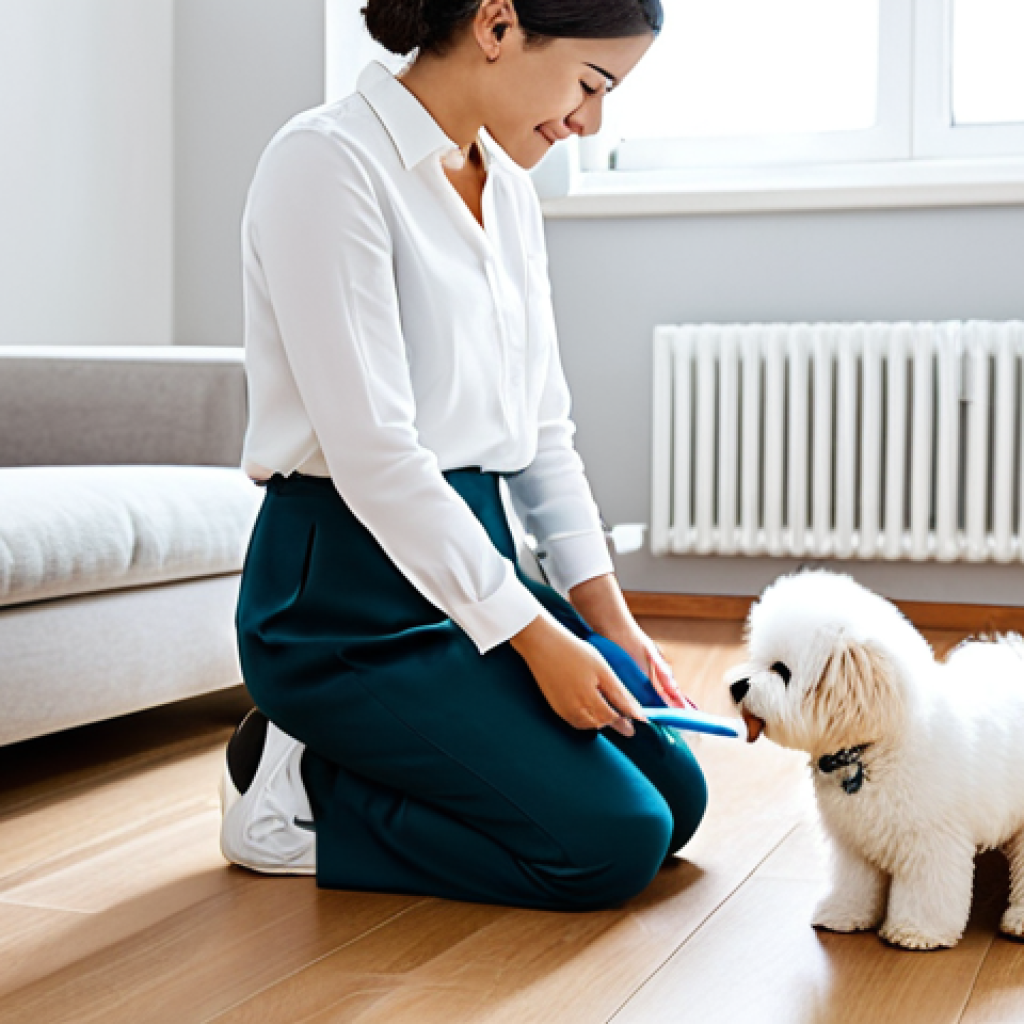
There’s nothing quite like the joy of bringing a fluffy, four-legged friend into your home, especially for those of us who adore dogs but suffer from allergies.
The Bichon Frise, with its cloud-like coat and cheerful disposition, often comes to mind as a ‘hypoallergenic’ dream. I remember feeling that exact hope myself, imagining a sneeze-free future filled with playful cuddles.
But the truth, as many dedicated pet parents are increasingly learning, is far more nuanced than a simple ‘sheds less’ label. In fact, modern allergists and pet researchers are continually emphasizing that no dog breed is truly 100% allergen-free.
It’s not just about the fur, you see; it’s the microscopic dander, saliva, and urine that carry the problematic proteins, and even our adorable Bichons produce these.
Navigating this reality is crucial for ensuring a happy home for both you and your potential new family member. Let’s get the full picture.
Understanding Pet Allergies Beyond Just Fur
It’s a common misconception, one I certainly held dear before embarking on my journey with a Bichon Frise, that dog allergies are solely about shedding fur.
We see a beautiful, fluffy dog like a Bichon, and our minds instantly go to “low-shedding,” which then translates to “hypoallergenic.” Oh, how I wish it were that simple!
My own experience, and what I’ve consistently learned from allergists and fellow dog parents, is that the problem isn’t the hair itself, but microscopic proteins found in a dog’s dander (dead skin flakes), saliva, and urine.
These tiny, invisible culprits are what trigger those frustrating sneezes, itchy eyes, and sometimes even more severe reactions. Even dogs like Bichons, with their glorious, cotton-ball coats, still produce dander, still lick themselves (spreading saliva proteins), and still urinate.
It’s a biological reality that every single dog, regardless of breed, carries these proteins. Understanding this foundational truth is the first crucial step in navigating pet allergies effectively, setting realistic expectations, and preparing your home for a furry family member.
My initial hopes for a completely sneeze-free existence with my Bichon were quickly tempered by this scientific reality, but it didn’t dim my love for him one bit; it just shifted my focus to management.
1. The Real Allergenic Culprits: Dander, Saliva, and Urine
When we talk about pet allergies, we’re actually talking about a person’s immune system overreacting to specific proteins. These proteins are primarily found in Fel d 1 (for cats) and Can f 1 (for dogs).
For dogs, the main protein, Can f 1, is abundantly present in their dander, which are the minuscule flakes of dead skin that every animal, including humans, sheds constantly.
Think about how much skin we shed; dogs are no different. What’s more, a dog’s saliva, which is distributed generously through grooming, licking, and playing, also contains these proteins.
And yes, even their urine, though less commonly cited, contributes to the allergen load. This is why you might find that even after thoroughly vacuuming, allergens persist, lingering in carpets, upholstery, and even circulating in the air.
My own personal experience with various breeds has shown me that the amount of visible fur isn’t the true indicator of allergen levels; it’s what you *can’t* see that matters most.
2. Why “Hypoallergenic” is a Misnomer for Bichons and Others
The term “hypoallergenic” has been widely misused and misunderstood in the pet world, often leading to false hopes and sometimes, heartbreaking rehoming situations.
For Bichons, their tight, curly coats are often touted as “hypoallergenic” because they trap loose hair and dander, preventing it from shedding as much into the environment compared to, say, a Labrador Retriever.
While this reduced shedding *can* lead to a lower dispersal of allergens, it doesn’t mean the dog produces fewer allergens. It simply means those allergens might be contained within the coat rather than floating freely through your home.
I remember chatting with a breeder who was very clear: “They shed less, not less allergen.” This distinction is absolutely critical. For someone with severe allergies, even the smallest amount of dander, saliva, or urine proteins trapped in a Bichon’s coat, transferred during a cuddle or play session, can be enough to trigger a significant reaction.
It’s about managing exposure, not eliminating the source.
Deconstructing the “Hypoallergenic” Myth for Good
The allure of a dog that promises a sneeze-free existence is incredibly strong for allergy sufferers, and many, including myself at one point, fall prey to the notion that certain breeds are truly “hypoallergenic.” It’s a marketing term that has unfortunately caused more confusion than clarity.
I’ve personally spoken with countless individuals who brought home a so-called “hypoallergenic” breed, only to find their allergies flaring up just as badly, if not worse, than with a “regular” dog.
The scientific community, and indeed most ethical breeders and veterinarians, have long debunked the idea of a truly allergen-free dog. What we’ve learned, often through trial and error, is that certain breeds, like the Bichon Frise, Poodle, or Portuguese Water Dog, are simply *less likely* to spread allergens due to their coat type and shedding patterns.
This isn’t a guarantee of no reaction, but rather a slight reduction in environmental allergen load for some individuals. It’s a crucial distinction that can save potential pet owners a lot of heartache and disappointment, ensuring they go into pet ownership with realistic expectations.
1. Why Coat Type Matters (But Not as Much as You Think)
The unique coat of a Bichon Frise, much like a Poodle’s, is often the reason they’re mistakenly labeled “hypoallergenic.” Their hair grows continuously, similar to human hair, and they don’t have an undercoat that “blows out” seasonally.
This means that instead of shedding loose hairs and dander into your environment, these particles tend to get caught within their dense, curly fur. My own Bichon, Fluffy, certainly leaves far less visible hair on my furniture than my friend’s Golden Retriever.
However, this doesn’t mean Fluffy isn’t shedding dander; it simply means it’s staying tangled in his coat until it’s brushed out or he’s bathed. Regular grooming, therefore, becomes absolutely paramount for these breeds to help remove those trapped allergens before they can disperse.
Without it, you’re essentially cuddling a walking dander cloud, even if it looks perfectly clean and shed-free.
2. The Individual Factor: People and Dogs
This is perhaps the most overlooked aspect of pet allergies: the individual variability in both humans and dogs. I’ve met people who are severely allergic to one dog but can comfortably live with another of the exact same breed.
Similarly, some dogs, even within the same litter, might produce slightly different amounts or types of allergenic proteins. It’s not a one-size-fits-all scenario.
My experience has shown me that personal exposure testing, where you spend time with a specific dog (if possible), is far more reliable than relying solely on breed generalizations.
This is why reputable shelters often allow “meet and greets” or foster-to-adopt programs; they understand the importance of this personal compatibility.
Your body’s unique immune response, combined with a particular dog’s unique allergen output, creates a complex interaction that simply cannot be predicted by a breed label alone.
Strategies for Minimizing Allergens in Your Home
Bringing a Bichon Frise into a home with allergy sufferers requires a proactive and consistent approach to allergen management. It’s not just about getting the dog; it’s about creating an environment where both humans and pets can thrive comfortably.
I’ve personally implemented a multi-faceted strategy that has significantly reduced my allergy symptoms, allowing me to fully enjoy my wonderful companion.
These strategies focus on containing and removing allergens from the environment, rather than hoping they simply won’t be there. From air purification to meticulous cleaning routines, every step plays a vital role in creating a healthier living space.
It’s an ongoing commitment, but one that is absolutely worth it for the joy a dog brings.
1. Environmental Controls and Cleaning Regimens
This is where the real work begins. My first recommendation to anyone considering a dog with allergies is to invest in high-quality HEPA air purifiers for the rooms where you spend the most time, especially bedrooms.
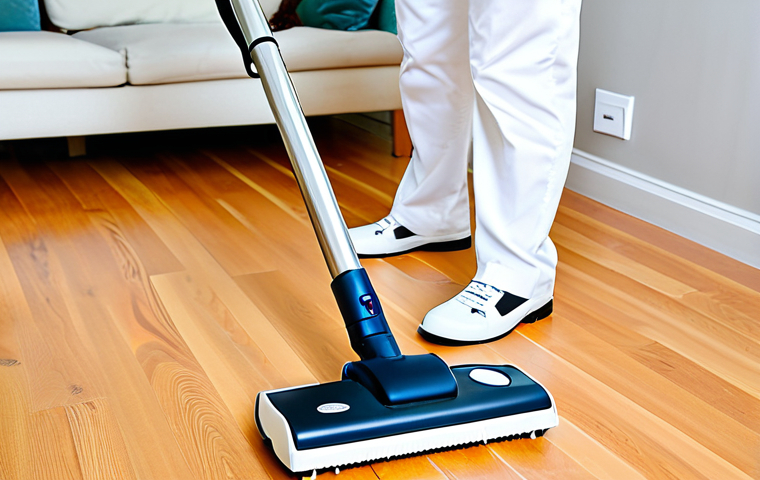
These devices are incredibly effective at capturing airborne allergens like dander. Beyond that, a strict cleaning regimen is non-negotiable. I personally vacuum daily with a HEPA-filtered vacuum cleaner, paying extra attention to carpets, rugs, and upholstery where allergens tend to settle.
Washing dog beds, blankets, and even curtains frequently in hot water helps immensely. Consider replacing carpeted floors with hard surfaces like wood or tile, as these are much easier to keep free of trapped allergens.
My home transformation from carpet to hardwood was a game-changer for my allergy symptoms.
2. Grooming Practices for Bichon Frise Allergens
For a Bichon Frise, regular grooming isn’t just about aesthetics; it’s a critical component of allergen management. Because their coat traps dander, frequent bathing and brushing are essential.
I aim to bathe my Bichon weekly, using a gentle, dog-friendly shampoo. This helps wash away accumulated dander and saliva proteins. Brushing him daily, preferably outdoors or in a well-ventilated area, also helps remove loose hair and dander before it can disperse throughout the house.
My partner, who has milder allergies, often takes on the brushing duty, wearing a mask if needed, to minimize his exposure. It’s a team effort that makes a significant difference.
Regular professional grooming every 4-6 weeks can also be a huge help, ensuring the coat is properly maintained and dead hair is removed.
Preparing Your Home: Practical Steps Before Bringing a Bichon Home
Before that adorable Bichon Frise puppy or rescue dog even sets a paw inside your home, laying the groundwork for an allergy-friendly environment is paramount.
My own experience taught me that preparation is key; trying to manage allergies reactively after the dog has arrived is far more stressful and less effective.
This isn’t just about cleaning; it’s about making conscious choices about your living space and daily habits that will minimize allergen exposure from day one.
It’s an investment of time and effort upfront that pays dividends in long-term comfort for both you and your new furry family member.
1. Zone Management and Restricted Areas
One of the most effective strategies I’ve implemented is designating certain “dog-free” zones in the house, particularly the bedroom. My bedroom is my sanctuary, and by keeping my Bichon out of it, I ensure that at least one area of my home remains as allergen-free as possible, allowing me to get a good night’s sleep without waking up with itchy eyes or a stuffy nose.
This also means no dog on the furniture in other rooms that I frequent. It might sound a bit strict, but it makes a tangible difference. Having clear boundaries, consistently enforced, helps manage allergen spread significantly.
2. Essential Tools and Products for Allergy Relief
Beyond air purifiers and vacuums, there are other tools that have become indispensable for me. Hypoallergenic pet wipes can be used for a quick wipe-down after outdoor adventures to remove pollen and some dander.
Specialized pet shampoos designed to reduce dander can also be beneficial, though I’ve found regular gentle shampoo works well with frequent bathing. Over-the-counter antihistamines are often part of my routine during periods of higher allergen exposure, but these are for managing symptoms, not preventing them.
Always consult with your doctor or allergist for personalized advice on medication.
Beyond the Breed: Individual Dog Variation and Testing
While we’ve discussed that no dog is truly “hypoallergenic,” it’s equally important to acknowledge that there can be significant individual variation in allergen production even within the same breed.
This truth hit home for me when a friend, also an allergy sufferer, found she reacted differently to two Poodles from the same litter. It highlights that the “hypoallergenic” label is not just misleading at a breed level, but also at an individual level.
Relying solely on a breed’s reputation without personal interaction is a risky gamble when allergies are involved. This reality underscores the importance of direct exposure and, if possible, even specific allergen testing for individuals.
1. The Importance of Personal Exposure and “Test Drives”
The most reliable way to determine if a specific Bichon Frise (or any dog) will trigger your allergies is to spend time with that *individual* dog. I can’t stress this enough.
Many reputable breeders and rescue organizations understand this and will allow potential adopters to have extended visits or even “sleepovers” (foster-to-adopt programs) to see how their allergies react.
My own family did this with our first dog, and it was invaluable. Pay attention to how you feel after an hour, then a few hours, and then after a full day.
Do your eyes itch? Does your nose run? Is your skin breaking out?
These direct experiences are far more telling than any breed profile or anecdotal claims.
2. Understanding Allergen Sensitivity and Medical Advice
For severe allergy sufferers, understanding the nuances of their own sensitivity is key. An allergist can perform tests to identify exactly which allergens trigger a reaction and the severity of that reaction.
This medical insight can help guide decisions about pet ownership. For some, even minimal exposure is too much, making dog ownership truly unfeasible.
For others, like myself, with moderate sensitivity, proper management makes it entirely possible. Always consult with a healthcare professional to understand your specific allergy profile and to discuss strategies for living comfortably with pets.
They can provide guidance on everything from immunotherapy to emergency medication, ensuring you’re well-prepared.
A Holistic Approach to Allergy Management and Pet Ownership
Successfully integrating a Bichon Frise into an allergy-prone household isn’t just about avoiding allergic reactions; it’s about fostering a happy, healthy environment for everyone.
It requires a holistic perspective that combines environmental control, consistent grooming, lifestyle adjustments, and, critically, realistic expectations.
My journey with Fluffy has taught me that while allergies can be a significant hurdle, they don’t have to be a barrier to experiencing the profound joy and companionship a dog brings.
It’s about ongoing effort and a commitment to maintaining a low-allergen home.
1. Integrating Allergy Management into Daily Life
For me, allergy management isn’t a separate task; it’s woven into the fabric of my daily routine. Brushing Fluffy isn’t just grooming; it’s allergy prevention.
Vacuuming isn’t just cleaning; it’s dander removal. This mindset shift has made it feel less like a chore and more like an integral part of responsible pet ownership.
It’s about creating habits that protect your health while ensuring your dog gets the care they need. This might involve setting specific times for cleaning, ensuring everyone in the household is on board with the protocols, and having the right tools readily available.
2. The Long-Term Commitment and Emotional Rewards
Living with pet allergies and a dog is a long-term commitment. There will be days when your allergies might flare up despite your best efforts, perhaps due to environmental factors like pollen or simply higher dander levels.
During these times, patience and persistence are key. However, the emotional rewards far outweigh the challenges. The unconditional love, companionship, and sheer joy that my Bichon brings into my life are immeasurable.
Waking up to his wagging tail, feeling his soft fur during a cuddle session (after a bath, of course!), and watching him play fills my heart in a way that no allergy symptom can diminish.
It truly is about finding that balance and understanding that with the right strategies, you can absolutely enjoy the incredible bond with a dog, even with allergies.
| Common Allergy Symptom | Potential Trigger/Source | Management Strategy |
|---|---|---|
| Sneezing, runny nose, nasal congestion | Airborne dander, saliva proteins | HEPA air purifiers, nasal rinses, antihistamines, keep bedroom dog-free |
| Itchy, watery, red eyes | Direct contact with allergens (e.g., rubbing eyes after touching dog) | Wash hands frequently, avoid touching face, eye drops, consider wearing glasses |
| Skin rash, hives, eczema | Direct skin contact with dander or saliva | Regular dog bathing, change clothes after prolonged contact, moisturizers, topical creams |
| Coughing, wheezing, shortness of breath | Inhaled allergens, potentially indicating asthma | Consult doctor for medication, strict environmental control, avoid intense physical contact if severe |
| Scratchy throat, post-nasal drip | Inhaled allergens settling in throat | Hydration, humidifiers, regular cleaning of living spaces |
The Emotional Rewards: When Allergy Management Pays Off
After years of navigating life with pet allergies, I can confidently say that the effort put into managing them, especially with a beloved Bichon Frise in my home, has been profoundly rewarding.
It’s a journey filled with learning, adaptation, and moments of sheer joy that far eclipse any challenges. The “hypoallergenic” dream might have been a myth, but the reality of living with a wonderfully affectionate and playful companion, even with allergies, is a dream come true for me.
This isn’t just about tolerating a dog; it’s about forming an unbreakable bond, facilitated by the consistent and thoughtful strategies I’ve learned to implement.
1. Building an Unbreakable Bond Despite Challenges
There’s an incredible satisfaction that comes from overcoming a hurdle, and for me, managing my allergies to live happily with my Bichon is one such achievement.
The bond I share with him is deepened by the conscious effort I make to ensure both our comforts. It’s a testament to the fact that love for an animal can drive us to find solutions, to adapt our living spaces, and to learn new routines.
Every time he snuggles close, or greets me with a flurry of tail wags, I’m reminded why every single step of my allergy management journey has been worth it.
It’s a relationship built on mutual respect and care, where I take care of his needs, and he fills my life with unparalleled warmth and laughter.
2. A Fulfilling Life with Your Furry Companion
Ultimately, the goal isn’t just to *survive* with pet allergies; it’s to *thrive* alongside your furry companion. For anyone contemplating a Bichon Frise with allergy concerns, my advice is to go in with open eyes, armed with knowledge and a readiness to implement management strategies.
It’s a commitment, yes, but one that opens the door to a world of unconditional love, companionship, and endless entertainment. The joy of watching my Bichon play, his cheerful disposition brightening every day, and the simple comfort of his presence, makes all the meticulous cleaning and careful grooming entirely worthwhile.
It proves that with the right approach, allergies don’t have to be a deal-breaker for experiencing the unique happiness that only a dog can bring.
Wrapping It Up
So, if you’ve been dreaming of a fluffy Bichon Frise but are worried about allergies, take heart. My journey has proven that with the right knowledge, consistent effort, and a whole lot of love, it’s absolutely possible to welcome these delightful companions into your home. It’s not about finding a mythical “hypoallergenic” dog, but about understanding the science, preparing your environment, and embracing a proactive approach. The joy and companionship they bring are truly worth every step of the journey, transforming your home into a haven for both you and your beloved furry friend.
Useful Information
1. Consult an Allergist: Before making a commitment, consult with an allergist to understand your specific sensitivities and discuss potential management plans, including medication or immunotherapy.
2. Deep Clean Your Home Pre-Arrival: Give your home a thorough deep clean, especially carpets, upholstery, and curtains, before bringing your new dog home to minimize existing allergens.
3. Invest in Quality Gear: A HEPA-filtered vacuum cleaner and air purifiers are not optional; they are essential tools for effective long-term allergen management.
4. Establish Grooming Routines Early: Start frequent bathing and brushing routines from puppyhood to help your Bichon get accustomed to the process, making allergen removal easier and less stressful for both of you.
5. Educate Your Family/Guests: Ensure everyone who interacts with your dog understands the allergy management protocols, especially if they are also allergy sufferers, to maintain a safe environment.
Key Takeaways
The term “hypoallergenic” for dogs like Bichon Frises is a misconception; all dogs produce allergens primarily in their dander, saliva, and urine, not just fur. Effective pet allergy management relies on controlling the environment, through meticulous cleaning, HEPA filtration, and consistent grooming, especially for breeds with trapping coats. Individual human and dog variations mean personal exposure testing is crucial. Prioritizing strict “dog-free” zones and having essential allergy relief tools further helps. Ultimately, while it requires commitment, living happily with a dog despite allergies is achievable, offering immense emotional rewards that enrich daily life.
Frequently Asked Questions (FAQ) 📖
Q: What does ‘hypoallergenic’ actually mean when we’re talking about dogs, especially breeds like the Bichon Frise, and why isn’t it a guaranteed solution for allergies?
A: Oh, this is such a critical point, and one I really had to learn the hard way! When a dog breed, like our beloved Bichon Frise, is labeled ‘hypoallergenic,’ it’s a huge misconception if you think it means ‘allergy-free.’ What it really means is ‘less allergenic’ or ‘less likely to cause an allergic reaction.’ The hope I felt, imagining a sneeze-free future, was totally understandable.
But the truth is, these dogs typically shed less fur, and their hair might even trap more dander instead of releasing it freely into the air. However, they still produce the very proteins that cause allergic reactions – these aren’t in the fur itself, but in their dander (microscopic skin flakes), saliva, and urine.
So, while a Bichon might be a better choice for some individuals with mild allergies, it’s absolutely not a magical cure or a guarantee of no reaction.
It’s about managing exposure to fewer allergens, not eliminating them entirely. That was a tough reality check for me, but an essential one.
Q: If it’s not primarily the fur itself, what are the specific culprits behind dog allergies that even low-shedding breeds like Bichons can carry?
A: This is the fascinating part that truly surprised me when I first looked into it! For years, I just assumed it was the fur that made me sneeze. But it’s not the hair itself that’s the main problem.
The true culprits are tiny, invisible proteins produced by the dog, which are found primarily in their dander – those microscopic flakes of skin they constantly shed, much like human dandruff.
Beyond dander, these problematic proteins are also present in a dog’s saliva and even their urine. Think about it: a dog licks their fur, leaving saliva with proteins all over their coat.
Then, as they move around, shake, or you pet them, these protein-carrying particles become airborne or transfer to surfaces in your home. Even a charming Bichon, with their beautiful, cloud-like coat, is still a living creature producing these proteins.
While their hair might do a better job of holding onto the dander, preventing it from spreading as easily as a shedding breed, the allergens are still very much there, ready to trigger a reaction for sensitive individuals.
It’s a tricky invisible enemy!
Q: Given that no dog is truly allergen-free, what practical, real-world steps can an allergy sufferer take to responsibly explore dog ownership, especially if they’re set on a breed like a Bichon?
A: This is where the dream meets reality, and it’s totally understandable to feel a bit disheartened, but don’t give up hope just yet! What I’ve learned, and what I typically tell folks who are in the same boat, is to get incredibly practical and personal with your approach.
First, and this is crucial: spend significant time with the specific dog or at least the breed you’re considering. I mean hours, over multiple visits, not just a quick pat.
See how your body reacts after prolonged exposure. Does your nose start to tickle after 30 minutes? Do your eyes feel itchy after an hour?
This gives you a much better sense than just relying on a breed label. Secondly, and I can’t stress this enough, consult with an allergist. They can conduct specific tests to identify exactly what you’re allergic to and the severity of your sensitivity, which provides invaluable insight.
Finally, understand that managing the environment is key. Think high-quality HEPA air purifiers, frequent cleaning (and I mean frequent), keeping the dog out of your bedroom, and regular grooming for the dog (perhaps even getting someone else to do the brushing if that triggers you).
It’s not about finding a magic bullet, but about creating a home environment where the risk of exposure is minimized. It takes commitment, but for the right furry companion, it’s absolutely worth exploring every possible avenue.
📚 References
Wikipedia Encyclopedia
구글 검색 결과
구글 검색 결과
구글 검색 결과
구글 검색 결과
구글 검색 결과