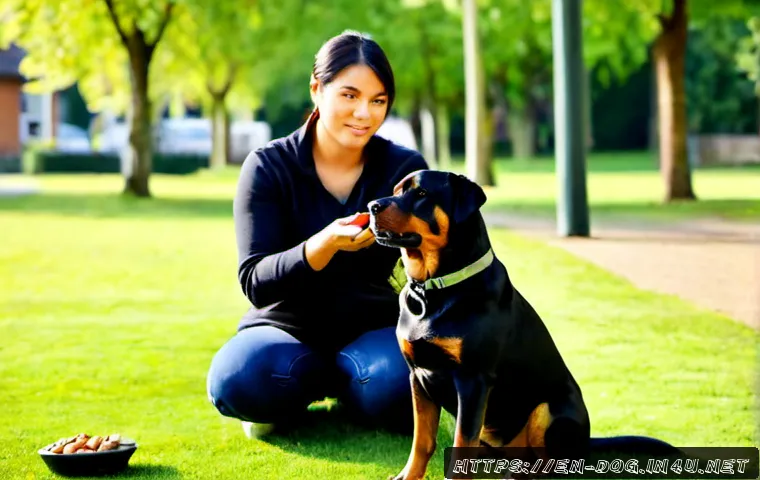
The Cavalier King Charles Spaniel is a delightful companion known for its affectionate and gentle nature. These dogs are often described as friendly, playful, and remarkably adaptable to family life.
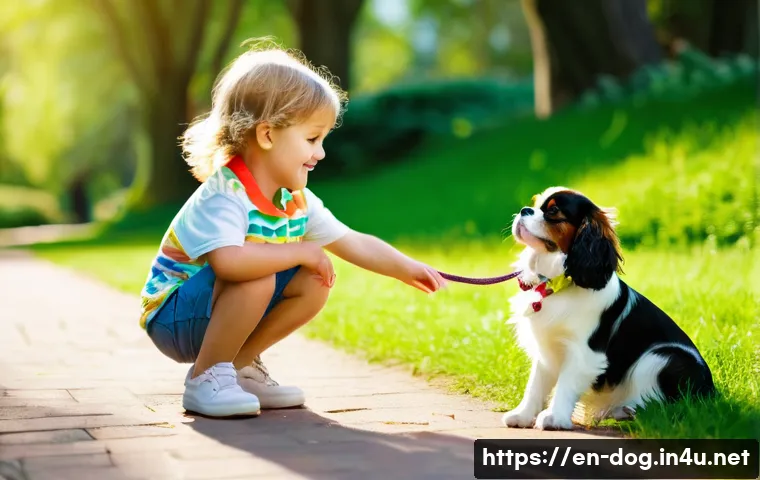
Whether curled up on the couch or eagerly joining outdoor adventures, their social personality shines through. They thrive on human connection and tend to get along well with children and other pets alike.
If you’re curious about what truly makes this breed so special, let’s dive into the details and explore their charming temperament together!
Heartwarming Loyalty and Social Charm
Unwavering Bond with Family
One of the most striking traits about this breed is how deeply devoted they become to their human family. It’s not just a casual affection; these dogs genuinely want to be near you, following you from room to room, eager to be involved in every part of your day.
When I had a Cavalier, I noticed how they seemed to sense even the smallest shifts in mood, offering comfort with a gentle nuzzle or resting their head on your lap without any prompting.
This emotional connection makes them incredibly loyal companions who thrive on forming close-knit bonds that last a lifetime.
Natural Social Butterflies
What’s truly delightful is their ability to make friends everywhere they go. Whether it’s greeting neighbors on a walk or charming guests with their soft eyes and wagging tail, these dogs have an innate friendliness that melts barriers quickly.
I’ve witnessed situations where even shy or anxious dogs warmed up instantly around a Cavalier because of their calm, non-threatening demeanor. This breed’s social grace means they rarely react with aggression or fear, making them wonderful for households with multiple pets or frequent visitors.
Adaptability in Diverse Environments
Another part of their charm is how effortlessly they adjust to different living situations. From cozy apartments in bustling cities to sprawling country homes, Cavaliers find comfort wherever their family is.
When I moved from a small urban flat to a suburban house, my dog adapted without missing a beat—equally happy curling up beside me during a quiet evening or excitedly exploring a new backyard.
This adaptability also extends to their daily routine; they’re happy to join energetic outdoor play sessions or enjoy calm cuddle times indoors, showing remarkable flexibility to fit into your lifestyle.
Playfulness that Brightens Every Day
Joyful Energy in Small Packages
Despite their relatively small size, these dogs pack a surprising amount of zest and playfulness. Their enthusiasm for toys, games, and interactive play is infectious, often encouraging everyone in the household to get involved.
I remember how my Cavalier’s joyful antics would instantly lift my spirits after a long day. Their playful nature isn’t just about fun, though—it’s an essential part of their mental and physical well-being, helping them stay balanced and happy.
Engaging Activities for Mind and Body
To keep these pups content, mixing up physical play with mental challenges is key. Activities like fetch, puzzle toys, and even basic obedience training sessions can be both stimulating and rewarding for them.
I found that my dog particularly loved when I introduced new games or hidden treats, as it engaged their problem-solving skills and kept boredom at bay.
This breed’s eagerness to please makes training sessions feel less like a chore and more like a bonding experience.
Gentle Play with Kids and Other Pets
Their playful energy is always tempered by a gentle nature, which means they’re incredibly patient and careful around young children and other animals.
I’ve seen firsthand how my Cavalier would softly take a child’s hand in their mouth during play, never applying pressure but showing affection. This gentle approach extends to other pets, allowing them to coexist peacefully with cats or larger dogs, creating a harmonious household dynamic.
Emotional Intelligence and Sensitivity
Reading Human Emotions
Cavaliers are surprisingly intuitive when it comes to human feelings. They seem to have a sixth sense for when you’re feeling down or stressed, often responding with comforting behaviors that feel almost like empathy.
I recall times when my dog would quietly sit beside me during tough moments, offering a soothing presence without demanding attention. This emotional sensitivity makes them exceptional companions for those seeking more than just a pet, but a true emotional support.
Calmness Amidst Chaos
Even though they’re playful and social, Cavaliers possess an inner calm that helps balance their energy. This calmness is a blessing during busy family gatherings or noisy environments, as they tend to remain composed rather than getting overwhelmed.
In my experience, this trait made them perfect for city living, where the hustle and bustle could otherwise be stressful for many dogs. Their ability to stay relaxed allows them to blend seamlessly into almost any social setting.
Responding to Training with Grace
Because of their sensitivity, training Cavaliers requires a gentle approach. Harsh corrections or loud commands often backfire, as these dogs respond best to positive reinforcement and patient guidance.
I found that rewarding good behavior with treats, praise, and affection not only speeds up learning but also strengthens the bond between owner and pet.
This breed’s eagerness to please, paired with their emotional intelligence, makes training a rewarding and enjoyable process.
Compatibility with Active and Relaxed Lifestyles
Enjoying Outdoor Adventures
While Cavaliers love their downtime, they also have a surprising stamina for outdoor activities. Daily walks, light hikes, or trips to the dog park are activities they eagerly anticipate.
I remember how my dog’s tail would wag furiously whenever I grabbed the leash, ready for whatever adventure awaited. Their moderate energy level means they enjoy staying active but don’t demand intense exercise, making them suitable for a variety of owners.
Perfect Cuddle Buddies
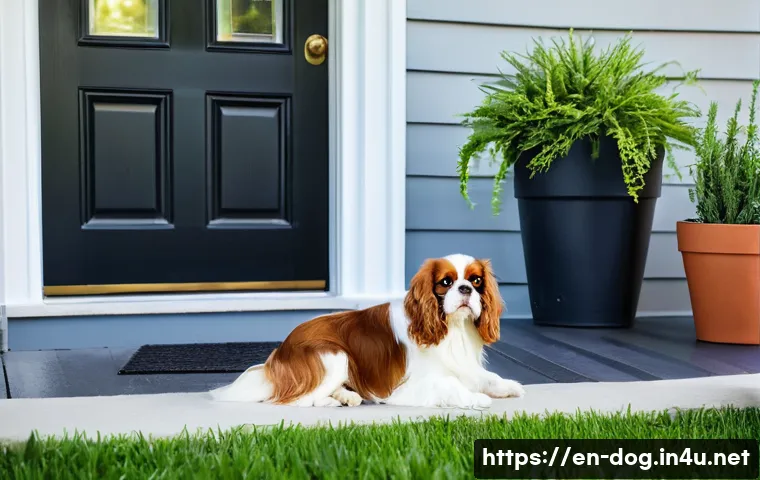
On the flip side, these dogs are just as content to settle down for long cuddle sessions. They have this innate ability to sense when it’s time to relax and will happily nestle beside you on the couch or bed.
I’ve often found my Cavalier gently pawing for a spot on my lap, offering warmth and comfort after a busy day. This duality—being both playful and calm—makes them incredibly well-rounded companions.
Flexible Routine Adaptation
Whether you’re an early riser or someone who enjoys late nights, Cavaliers tend to adjust their routine to fit yours. They’re not overly demanding about strict schedules and often mirror the energy level of their human companions.
From my experience, this flexibility reduces stress on both ends, creating a harmonious living environment where the dog feels secure and loved, regardless of your lifestyle.
Communication Style and Behavior Cues
Expressive Body Language
One of the joys of living with this breed is how expressive they are without needing words. Their eyes, ears, and tail movements communicate a wide range of emotions, from excitement to concern.
I learned to interpret subtle signals like a slight tilt of the head or a soft whine, which often indicated a desire for attention or a need to go outside.
This clear communication makes it easier to understand and respond to their needs promptly.
Vocal Expressions and Their Meanings
Though not overly vocal, Cavaliers do use barks, whines, and sighs to convey messages. For example, a soft whine might mean they’re seeking reassurance, while an alert bark could signal curiosity or a warning.
I noticed that paying close attention to these sounds helped me anticipate my dog’s needs before they became urgent. Understanding these vocal cues enhances the relationship by fostering better mutual respect and responsiveness.
Signs of Stress and How They Cope
Like all dogs, Cavaliers can experience stress, but their coping mechanisms tend to be subtle. They might withdraw slightly, lick their lips, or yawn excessively when uncomfortable.
When I recognized these signs early, I could intervene by providing a quiet space or gentle distraction, preventing escalation. Their generally calm disposition means they recover quickly when given proper care, highlighting the importance of sensitive handling and observation.
Table Comparing Key Behavioral Traits
| Trait | Description | Owner Experience |
|---|---|---|
| Loyalty | Strong attachment to family, follows closely, emotionally connected | Provides constant companionship and emotional support |
| Social Nature | Friendly with strangers, other pets, and children | Creates a welcoming atmosphere in any household |
| Playfulness | Energetic but gentle, enjoys interactive games | Encourages family bonding and active playtime |
| Sensitivity | Highly attuned to human emotions, responds empathetically | Offers comfort during stressful times |
| Adaptability | Adjusts well to various living environments and routines | Fits seamlessly into different lifestyles, from active to relaxed |
Patience and Tolerance in Daily Life
Handling Children with Care
Their patience shines brightest in family settings with kids. Cavaliers generally tolerate a lot of enthusiasm from young ones, rarely snapping or showing irritation.
I’ve seen my dog gently endure enthusiastic hugs and playful grabs, always responding with calmness rather than frustration. This makes them ideal companions in homes where children are learning how to respect and interact with animals.
Peaceful Coexistence with Other Pets
Sharing a home with other dogs, cats, or even smaller animals is rarely an issue. Their easygoing nature means they rarely engage in territorial disputes or aggressive behavior.
From personal experience, I’ve watched my Cavalier calmly accept the presence of a curious cat and even initiate gentle play without dominance. This temperament contributes to a peaceful multi-pet household where everyone feels safe and valued.
Enduring Difficult Situations Gracefully
Whether it’s a visit to the vet, a car ride, or a loud gathering, Cavaliers tend to cope better than many breeds. Their calmness and patience allow them to handle these sometimes stressful scenarios with minimal anxiety.
I remember how my dog would sit quietly during vet visits, comforted by familiar scents and gentle reassurance. This resilience is a huge plus for owners who want a dog that can adapt to the ups and downs of daily life without excessive stress.
Conclusion
In summary, this breed’s unique blend of loyalty, social grace, and emotional intelligence creates a truly special companion. Their adaptability and gentle nature make them a perfect fit for many lifestyles and family dynamics. Whether you’re seeking a playful friend or a calm confidant, these dogs offer an exceptional balance of both. Their presence enriches daily life with warmth and joy.
Useful Information to Remember
1. Consistent positive reinforcement is key to training, as these dogs respond best to gentle guidance rather than harsh commands.
2. Regular mental and physical activities keep them happy and prevent boredom, so incorporate puzzles and interactive play into their routine.
3. Their strong emotional sensitivity means they thrive on close human connection and can sense mood changes, so providing comfort during stressful times is important.
4. Despite their playful energy, they adapt well to quieter moments, making them ideal for both active and relaxed households.
5. Their calm and patient demeanor supports peaceful coexistence with children and other pets, contributing to a harmonious home environment.
Key Takeaways for Owners
Understanding this breed’s deep emotional bond with their family and their need for social interaction helps create a fulfilling relationship. Owners should emphasize gentle training methods and provide a balance of play and rest to meet their physical and mental needs. Recognizing their subtle communication cues enhances mutual understanding, while their adaptability ensures they fit comfortably into diverse lifestyles. Ultimately, these dogs offer unwavering loyalty and companionship, making them a wonderful addition to any home.
Frequently Asked Questions (FAQ) 📖
Q: Are Cavalier King Charles Spaniels good with children and other pets?
A: Absolutely! From my experience and what many owners share, Cavaliers are incredibly gentle and friendly, making them fantastic companions for kids. They tend to be patient and playful without being overly energetic or aggressive.
Plus, they usually get along well with other pets, including cats and dogs, thanks to their sociable and adaptable nature.
Q: How much exercise does a Cavalier King Charles Spaniel need?
A: While they enjoy playtime and outdoor activities, Cavaliers don’t require intense exercise. A couple of moderate walks a day combined with some play sessions usually keep them happy and healthy.
I’ve noticed they’re quite content curling up beside you after their daily adventures, which is perfect if you’re looking for a balance between an active and a laid-back dog.
Q: What makes the temperament of the Cavalier King Charles Spaniel so special?
A: What sets them apart is their affectionate, easygoing personality. They genuinely crave human connection and tend to be very intuitive about their owner’s emotions.
From my personal interactions, their warm, loving demeanor makes them excellent therapy or emotional support dogs. Their ability to adapt to different living situations while maintaining a playful and gentle disposition really makes them stand out as family pets.