
We all adore our canine companions, and one of the most common questions we ponder is their true age. For years, we’ve relied on the simple “multiply by seven” rule, but as any dog lover knows, that often feels completely off the mark.
I remember when my senior rescue, Daisy, seemed far younger than her ‘human equivalent’ age, and it prompted me to dive deeper into the science. The bittersweet reality is that our furry best friends age at different rates depending on so many nuanced factors – their breed, size, genetics, and even individual lifestyle choices like diet and exercise.
Modern science, especially with breakthroughs in understanding canine epigenetics and ‘methylation clocks,’ is completely revolutionizing our traditional understanding of dog aging, moving us far beyond those old, simplistic formulas.
This isn’t just academic; it profoundly impacts how we approach their health and wellbeing, allowing for more personalized, proactive care. The future promises even more precise tools, giving us deeper insights into our pets’ biological age, not just their calendar age, allowing for truly tailored preventative care.
Let’s learn precisely what’s involved.
The Enduring Myth of the Seven-Year Rule and Why It Fails Our Furry Friends
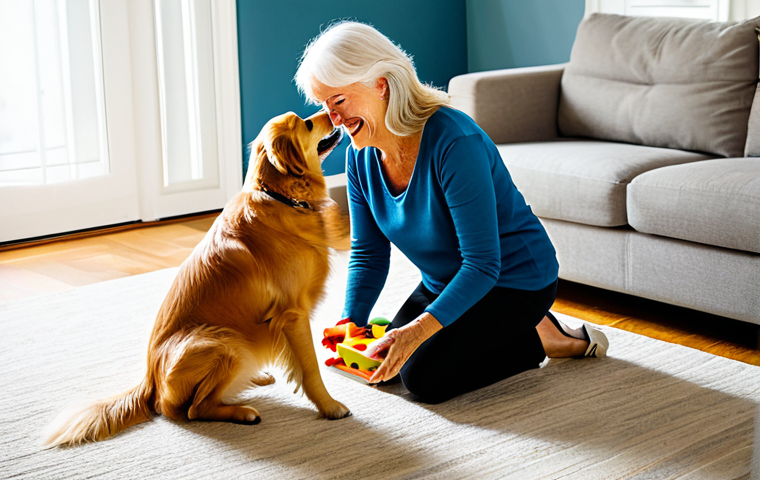
For decades, we’ve clung to the comforting, yet ultimately inaccurate, “multiply your dog’s age by seven” rule. I remember when Daisy, my scruffy terrier mix, hit what I thought was her “human equivalent” of 49.
Yet, she was still tearing around the park like a pup, albeit with a bit more intentionality in her zoomies. This simplistic formula, while easy to grasp, completely overlooks the incredibly complex, nuanced biological processes that govern how our dogs truly age.
It’s a relic from a time when our understanding of canine physiology was far more rudimentary, and it simply doesn’t hold up to modern scientific scrutiny.
The reality is that a Chihuahua ages vastly differently from a Great Dane, even if they share the same birthdate. This disparity isn’t just a matter of size; it’s rooted in genetics, metabolic rates, and the very different lifespans inherent to various breeds.
Clinging to this outdated rule can lead to significant misjudgments about a dog’s health needs, dietary requirements, and even their behavioral cues, potentially delaying crucial veterinary interventions or adjustments to their daily routine.
Our dogs deserve a more precise, individualized approach, one that recognizes their unique journey through life, rather than shoehorning them into a one-size-fits-all formula that often feels completely out of sync with their actual vitality and physical condition.
It’s time to retire this well-meaning but flawed piece of canine lore.
1. The Inaccurate Simplicity of a Single Multiplier
The “multiply by seven” rule likely originated from the observation that humans live about seven times longer than dogs on average. However, this average fails to account for the dramatically different rates at which dogs mature and age through their distinct life stages.
A one-year-old dog, regardless of breed, is certainly not equivalent to a seven-year-old child; they’ve already reached sexual maturity and are often fully grown or nearly so, a developmental leap that takes far longer in humans.
This fundamental disconnect at the early stages of life immediately exposes the rule’s profound limitations. Furthermore, dogs don’t age linearly. Their first couple of years are a whirlwind of development, equivalent to a significant chunk of human life, whereas their later years often progress at a slower, more graceful pace.
This non-linear aging pattern means that applying a constant multiplier across their entire lifespan is inherently flawed. It doesn’t allow for the rapid growth and maturation of puppyhood, nor the slower, more gradual decline of senior years.
From my own observations with Daisy, her first year was a blur of learning and physical change, far more impactful than any single human year I can recall.
2. Why Size and Breed Break the Old Rules
The most glaring error in the seven-year rule is its complete disregard for breed size. It’s a well-established fact that larger dog breeds tend to have shorter lifespans than smaller breeds, and they age at an accelerated rate.
A two-year-old Great Dane might already be showing signs of middle age, while a two-year-old Jack Russell Terrier is still brimming with youthful energy.
This inverse relationship between size and longevity is one of the great mysteries of canine biology, and it’s a critical factor in understanding a dog’s true age.
My vet once explained to me that the faster growth rates in large breeds put more strain on their bodies, potentially leading to earlier onset of age-related conditions like arthritis or heart issues.
It’s a heartbreaking reality for those of us who adore giant breeds, but it underscores the necessity of moving beyond simplistic age calculations. Different breeds, with their unique genetic predispositions and developmental trajectories, simply don’t fit into a single aging model.
Delving Deeper into Canine Life Stages and Development
Understanding a dog’s true age goes far beyond a simple calculation; it requires a nuanced appreciation of their specific developmental stages and how these vary dramatically across breeds.
Just like humans have infancy, childhood, adolescence, adulthood, and senior years, dogs progress through distinct phases, each marked by unique physiological and behavioral changes.
My own dog, Daisy, transitioned from an exuberant, sometimes chaotic, young adult to a calm, wise senior, but her journey certainly didn’t follow a neat linear path.
It was punctuated by specific milestones, some subtle and some quite pronounced, that indicated her progression through life. Recognizing these stages is paramount for providing appropriate care, training, and nutrition, tailoring our approach to their evolving needs rather than relying on a generalized age assumption.
It’s about being present and observant, tuning into their individual rhythms, and understanding that their internal clock ticks at a rate unique to them.
1. From Puppyhood to Adulthood: The Rapid Growth Phase
The first year or two of a dog’s life is a period of incredibly rapid development, far more accelerated than any comparable period in human life. During this time, puppies grow from tiny, helpless newborns to full-sized adults, undergoing massive physical and cognitive changes.
This is where the seven-year rule falls flat on its face; a one-year-old dog is far more mature than a seven-year-old child. They’ve already reached sexual maturity, learned complex social behaviors, and often achieved their adult height and weight.
Small breeds tend to reach physical maturity earlier, often by 9-12 months, while large and giant breeds can continue growing until they’re 18-24 months old.
This initial burst of growth and maturation means that these early years account for a disproportionately large chunk of their “human equivalent” age.
For instance, a one-year-old small dog might be considered roughly equivalent to a 15-year-old human, while a one-year-old giant breed might be closer to a 10-year-old, reflecting their differing rates of development.
2. The Middle Years: Peak Vitality and Subtle Shifts
The middle years for a dog are often characterized by peak vitality, intelligence, and a settled demeanor. This is when their personalities truly shine, and they’re usually in excellent physical condition.
However, it’s also a period where the first, often subtle, signs of aging can begin to emerge. My Daisy, around what I estimated to be her middle years, still had boundless energy for hikes, but I noticed her recovery time after a vigorous play session started to lengthen.
These subtle shifts might include a slight decrease in stamina, a bit more napping, or a minor increase in weight if diet and exercise aren’t carefully managed.
For smaller breeds, these middle years might stretch longer, perhaps from ages 3-8, while for larger breeds, they might span a narrower window, perhaps 2-5 years.
This phase is crucial for establishing preventative health habits, as addressing minor issues early can significantly impact their long-term well-being and delay the onset of more serious age-related conditions.
The Revolutionary Science of Biological Aging: Beyond Calendar Years
Modern science is completely transforming our understanding of how dogs age, moving us light-years beyond simply counting calendar years. The real breakthrough lies in the field of epigenetics and the concept of “methylation clocks.” This isn’t just academic theory; it’s a profound shift in how we perceive and manage our dogs’ health.
When my vet first told me about these advancements, I was fascinated, realizing there was so much more to Daisy’s aging process than I’d ever considered.
It provided a much-needed explanation for why some dogs seem to age faster or slower than their peers, even within the same breed. This scientific leap allows us to assess a dog’s true biological age, which can often differ significantly from their chronological age.
It offers a much more accurate picture of their internal health, metabolic state, and even their vulnerability to age-related diseases.
1. Epigenetics and the “Methylation Clock” Explained
At the heart of this revolution is epigenetics, the study of how behaviors and environment can cause changes that affect the way genes work. Our dogs’ DNA sequences remain constant, but epigenetic modifications, specifically something called DNA methylation, can switch genes on or off, influencing everything from disease susceptibility to aging.
The “methylation clock” is a sophisticated scientific tool that measures these changes. It analyzes specific methylation patterns on a dog’s DNA, which accumulate predictably over time, acting like an internal biological timepiece.
By reading these patterns, scientists can estimate a dog’s biological age with remarkable accuracy, independent of their birthdate. This means we can potentially tell if a five-year-old dog has the biological age of a seven-year-old, or perhaps only a three-year-old, offering incredible insights into their true internal state.
The implications for personalized veterinary care are monumental.
2. How Biological Age Impacts Health Management
Understanding a dog’s biological age, rather than just their chronological age, has profound implications for their health management. If a dog is biologically older than their calendar age suggests, it might prompt a vet to recommend earlier screenings for age-related conditions like arthritis, kidney disease, or certain cancers.
Conversely, if a dog is biologically younger, it might indicate robust health and allow for a less aggressive preventative care regimen. This personalized approach moves us away from generic age-based guidelines and towards truly tailored interventions.
It empowers veterinarians and owners to make more informed decisions about diet, exercise, supplements, and routine diagnostic tests, optimizing health outcomes and potentially extending a dog’s vibrant years.
For me, knowing more about Daisy’s biological age would have given me immense peace of mind and direction in her senior years.
Breed-Specific Aging: Why Size Matters More Than You Think
It’s a stark reality in the canine world: the larger the dog, generally, the shorter their lifespan and the faster their aging process. This isn’t just a casual observation; it’s a well-documented biological phenomenon that dramatically impacts how we should perceive and care for our furry companions.
I vividly recall the difference in energy levels and apparent “seniority” between my neighbor’s tiny Shih Tzu and the massive Saint Bernard down the street, both roughly the same calendar age.
The disparity was striking, and it highlighted just how much a dog’s size dictates their journey through life. This inverse relationship between size and longevity is one of the most compelling reasons why a universal age conversion formula simply cannot work.
Understanding these breed-specific aging patterns is critical for setting realistic expectations, planning proactive healthcare, and providing the optimal environment for our dogs as they progress through their unique life stages.
1. Small Breeds: The Long and Winding Road
Small dog breeds, weighing typically less than 20 pounds, are often blessed with remarkably long lifespans, frequently living into their mid to late teens, and sometimes even beyond.
Their aging process tends to be slower, meaning they retain their youthful vigor for a much longer period. A five-year-old Chihuahua, for example, might still possess the energy and playful nature of a much younger dog compared to a giant breed of the same age.
This extended period of vitality allows owners to enjoy more years with their beloved companions and means that signs of true seniority often don’t emerge until much later in their lives.
However, this doesn’t mean they’re immune to health issues. Small breeds can be prone to specific conditions like dental problems, patellar luxation, or tracheal collapse, which owners need to be aware of and proactively manage throughout their extended lifespans.
2. Large and Giant Breeds: A Swift Trajectory
In stark contrast, large breeds (50-100 pounds) and especially giant breeds (over 100 pounds) age at an accelerated rate and have significantly shorter lifespans.
A Great Dane might be considered a senior by the age of five or six, while a small dog is still in their prime. This rapid progression means they reach maturity quickly and then transition into their senior years at a much younger calendar age.
The scientific reasons for this are still being fully explored, but theories point to faster cell turnover, greater metabolic stress, and higher incidences of age-related diseases like certain cancers and orthopedic issues.
For owners of these majestic breeds, it means being acutely aware of the accelerated aging process and beginning senior care protocols much earlier. My heart aches for friends who’ve had to say goodbye to their beloved large dogs far too soon, but it emphasizes the importance of making every moment count and prioritizing early preventative care.
| Dog Size | Approximate Human Equivalence (1 Year Dog) | Lifespan Expectancy (Years) | Common Senior Age (Years) |
|---|---|---|---|
| Small (<20 lbs) | ~15 human years (1st year), then ~4-5 human years/dog year | 12-18+ | 8-10+ |
| Medium (20-50 lbs) | ~15 human years (1st year), then ~5-6 human years/dog year | 10-15 | 7-9 |
| Large (50-90 lbs) | ~12 human years (1st year), then ~7-8 human years/dog year | 8-12 | 6-8 |
| Giant (>90 lbs) | ~10 human years (1st year), then ~9-10 human years/dog year | 6-10 | 5-7 |
Lifestyle’s Profound Impact on Longevity and Vitality
While genetics and breed size play significant roles in how our dogs age, the day-to-day choices we make as owners – their diet, exercise, and overall environment – have an incredibly profound impact on their longevity and quality of life.
It’s not just about adding years to their life, but adding *life* to their years. I’ve personally seen the transformative power of a well-managed lifestyle with Daisy.
When I rescued her, she was a bit overweight and sluggish. Through consistent walks, a balanced diet, and plenty of mental stimulation, she not only shed the excess pounds but gained a spark in her eye that radiated vitality, proving that active management can truly defy the calendar.
These lifestyle factors are within our direct control, offering powerful levers to influence how gracefully and healthily our dogs navigate their aging journey, ultimately allowing them to live their best possible lives for as long as possible.
1. The Cornerstone of Diet and Nutrition
What we feed our dogs is arguably one of the single most influential factors in their long-term health and aging. A high-quality, balanced diet provides the essential nutrients needed for healthy cell function, strong immunity, and sustained energy levels.
Feeding a diet rich in appropriate proteins, healthy fats, complex carbohydrates, and essential vitamins and minerals supports overall vitality. Conversely, a diet laden with fillers, artificial ingredients, or excessive calories can contribute to obesity, inflammation, and a host of chronic diseases that accelerate the aging process.
I learned this firsthand with Daisy; once I switched her to a premium, age-appropriate food, her coat became shinier, her energy levels soared, and even her joint stiffness seemed to lessen.
Regular adjustments to caloric intake as a dog ages and their activity levels change are also crucial to prevent unwanted weight gain, which puts undue stress on joints and organs.
2. Exercise and Mental Stimulation: Keeping Body and Mind Ageless
Regular, appropriate exercise is vital for maintaining a healthy weight, strong muscles and joints, and a robust cardiovascular system, all of which contribute to a slower, healthier aging process.
The type and intensity of exercise should, of course, be tailored to a dog’s age, breed, and physical condition. A young Labrador might thrive on long runs, while a senior Pug might prefer gentle strolls.
Beyond physical activity, mental stimulation is equally important. Engaging a dog’s mind with puzzle toys, training sessions, or new experiences helps keep their cognitive functions sharp and prevents boredom, which can lead to stress and even accelerate cognitive decline.
I make sure Daisy, even in her later years, still gets her daily “brain games” – sniffing walks, hide-and-seek with treats, or learning a new, simple command.
A dog that is physically active and mentally engaged is more likely to remain agile, happy, and vibrant well into their senior years.
Proactive Veterinary Care for a Longer, Healthier Life
Just as we wouldn’t skip our own annual check-ups, ensuring consistent and proactive veterinary care is absolutely non-negotiable for our dogs, especially as they enter their middle and senior years.
It’s the ultimate act of responsible pet ownership and directly impacts their longevity and quality of life. My personal experience with Daisy underscored this; regular vet visits allowed us to catch early signs of arthritis and dental issues, enabling interventions that significantly improved her comfort and well-being.
Waiting until a dog is visibly ill or showing advanced symptoms often means the condition is harder to manage and may have a poorer prognosis. Proactive care, which includes routine examinations, preventive screenings, and open communication with your vet, allows for early detection of potential health concerns, often when they are most treatable.
This forward-thinking approach is fundamental to providing our dogs with the best possible chance at a long, healthy, and happy life.
1. The Importance of Regular Wellness Exams and Screenings
Routine wellness exams, typically once a year for younger dogs and twice a year for seniors, are the cornerstone of proactive veterinary care. These visits allow your veterinarian to perform a thorough physical examination, assess vital signs, and discuss any changes in your dog’s behavior, appetite, or energy levels.
For older dogs, these exams often include more extensive blood work, urinalysis, and potentially even specialized screenings like blood pressure checks or early cancer detection tests.
These screenings can uncover underlying health issues – such as kidney disease, liver problems, diabetes, or thyroid imbalances – long before overt symptoms appear.
Early detection is key to successful management and can significantly slow the progression of many age-related conditions. My vet always emphasized that these regular check-ups were our best weapon against insidious diseases, giving us precious time to react.
2. Adapting Care for the Senior Dog: A Tailored Approach
As dogs transition into their senior years, their veterinary care needs to become more tailored and comprehensive. This often means more frequent vet visits, potentially every six months, to closely monitor their health.
Senior dogs are more susceptible to conditions like arthritis, dental disease, heart conditions, cognitive dysfunction, and various cancers. A holistic senior care plan might include specific pain management strategies for joint issues, special dental care, nutritional adjustments for aging metabolisms, and even supplements to support cognitive function.
Discussions with your vet might revolve around quality of life, mobility support, and palliative care options if needed. The goal is to maximize their comfort and maintain their dignity, ensuring their golden years are as enjoyable and pain-free as possible.
It’s about respecting their journey and providing compassionate support every step of the way.
Concluding Thoughts
Retiring the simplistic “seven-year rule” isn’t just about updating our knowledge; it’s about honoring the unique journey of each and every one of our canine companions. From Daisy’s zoomies to the majestic presence of a Great Dane, every dog ages on their own terms, influenced by a complex interplay of genetics, lifestyle, and individual circumstances. By embracing a more nuanced, scientifically informed understanding of canine aging, we empower ourselves to provide truly personalized care that fosters vitality and extends their healthy, happy years. Our dogs give us so much unconditional love, and it’s our privilege to reciprocate by giving them the most informed, compassionate care possible, tailored to their true age and needs, not just a number on a calendar.
Useful Information to Know
1. Consider Genetic Health Testing: Beyond traditional breed identification, some genetic tests can reveal predispositions to certain health conditions common in specific breeds, offering valuable insights for proactive health management as your dog ages.
2. Adjust Diet for Life Stage: As dogs transition from puppy to adult to senior, their caloric and nutritional needs change. Consult your vet about appropriate food formulas or calorie adjustments to prevent obesity and support aging organs and joints.
3. Explore Joint and Cognitive Supplements: For many middle-aged and senior dogs, supplements like glucosamine, chondroitin, omega-3 fatty acids, and those containing antioxidants can support joint health and cognitive function. Always discuss these with your veterinarian first.
4. Prioritize Mental Enrichment: A sharp mind is just as important as a healthy body. Incorporate puzzle toys, training refreshers, scent games, and new experiences into your dog’s routine to keep their brain active and engaged throughout their lives.
5. Observe Behavioral Changes Closely: Subtle shifts in your dog’s behavior, such as increased napping, reluctance to jump, changes in appetite, or unusual restlessness, can be early indicators of underlying health issues, even before visible physical symptoms appear.
Summary of Key Takeaways
The “seven-year rule” for dog aging is an outdated and inaccurate simplification. Dog aging is non-linear and highly dependent on breed size, with larger breeds aging faster and having shorter lifespans. Modern science, particularly epigenetics and methylation clocks, offers a more precise understanding of a dog’s biological age, which can differ significantly from their chronological age. Lifestyle factors like diet, exercise, and mental stimulation profoundly impact a dog’s longevity and vitality. Proactive and tailored veterinary care, including regular wellness exams and early screenings, is crucial for detecting and managing age-related conditions, ultimately leading to a longer, healthier life for our beloved canine companions.
Frequently Asked Questions (FAQ) 📖
Q: Why is the old ‘multiply by seven’ rule for dog aging no longer considered accurate?
A: Honestly, that rule always felt like a total shot in the dark to me, and as a dog parent for years, it just never quite added up. I mean, my little Jack Russell mix, Pip, who’s six, still acts like a rambunctious puppy, while my friend’s Great Dane, barely four, seems to have already settled into a more ‘senior’ pace.
The ‘seven years’ idea is so broad it completely misses the incredibly diverse ways our dogs age. Think about it: a Chihuahua reaches maturity much faster and lives longer on average than, say, a Newfoundland.
Their size, their genetics – what they’re bred for – plays a huge role. Plus, just like us, their lifestyle matters immensely. A dog fed a high-quality diet and getting regular exercise is naturally going to show different signs of aging than one that’s perhaps less active or on a less optimal diet.
It’s truly about the individual, not some one-size-fits-all formula.
Q: How are new scientific breakthroughs, like ‘methylation clocks,’ changing our understanding of canine aging beyond just their calendar years?
A: This is where it gets really exciting! For so long, we just went by their birthdate, but modern science, particularly in epigenetics and these ‘methylation clocks,’ is giving us a real peek under the hood.
Imagine your dog has an internal ‘biological clock’ that ticks based on changes to their DNA – specifically, little chemical tags called methyl groups.
These tags can essentially tell us how much ‘wear and tear’ their body has accumulated, regardless of how many birthdays they’ve had. So, a super active, well-cared-for senior dog might have a biological age much younger than their chronological age, while a younger dog facing chronic stress or health issues might show an accelerated biological age.
It’s like knowing the actual mileage on a car, not just its model year. This isn’t just theory; it’s giving us tangible data to understand their true internal age, which is far more accurate than simply multiplying by seven!
Q: What practical benefits can dog owners expect from these more precise insights into their dog’s biological age?
A: This is the truly game-changing part for us dog owners, because it allows for incredibly personalized and proactive care. Instead of guessing, we can now aim for truly tailored health strategies.
If a methylation clock shows your seemingly spry five-year-old Boxer has a biological age closer to eight, you might start preventive joint supplements earlier, or discuss specific dietary changes with your vet before issues arise.
Conversely, if your older rescue, like my Daisy, is biologically younger than her calendar age suggests, you might feel more confident pushing for more active play or adjusting their senior-focused diet to match their actual needs.
It means less reactive treatment and more preventative care, focused on their individual needs, not just a generic age group. This understanding empowers us to make better decisions about their nutrition, exercise, and veterinary care, ultimately aiming for a longer, healthier, and happier life for our best friends.
It really takes the guesswork out of aging and helps us support them optimally.
📚 References
Wikipedia Encyclopedia
구글 검색 결과
구글 검색 결과
구글 검색 결과
구글 검색 결과