Anyone who’s ever considered bringing a Poodle into their life, or perhaps already shares their home with one, knows these dogs are more than just their elegant looks and notorious intelligence.
From my own experience, having spent countless hours at dog parks and even fostered a few, one of the most common surprises new owners encounter is the sheer diversity within the breed itself, especially regarding size.
It’s truly fascinating how a “Poodle” can range from a tiny, purse-sized companion to a majestic, full-sized canine. I remember one owner, initially set on a Miniature, being completely taken aback by the boundless energy of a Toy Poodle they met, realizing their perception was entirely off!
This isn’t just about aesthetics; these size distinctions significantly impact their exercise needs, grooming requirements, and even their suitability for different living environments, a critical factor given the rise in urban living and smaller homes.
Understanding these subtle, yet profound, differences is key to a happy match, especially as pet trends increasingly focus on finding the ‘right fit’ for modern lifestyles.
Let’s find out precisely how these variations make each Poodle unique.
Beyond the Bows: Unpacking the Poodle’s Diverse Personalities by Size
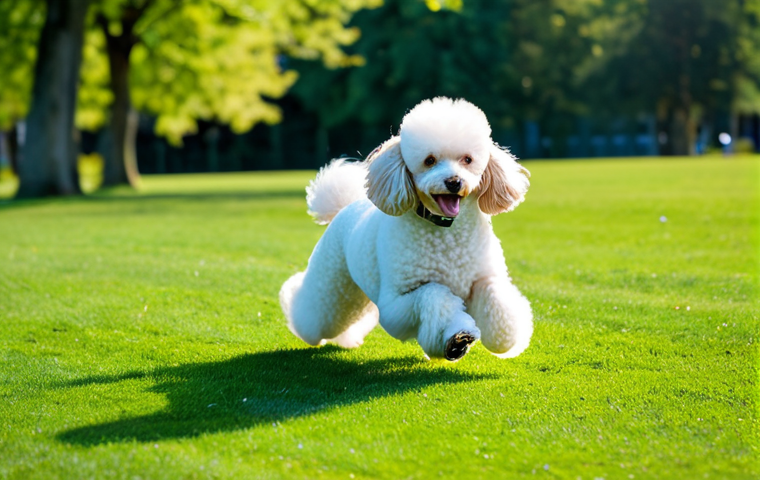
There’s a common misconception that Poodles are all cut from the same cloth, just scaled up or down. But from my years of observing and interacting with countless Poodles, I’ve come to realize that their size isn’t just about their physical stature; it profoundly shapes their temperament and how they navigate the world.
It’s truly fascinating to see how a Toy Poodle’s fiery confidence can differ from a Standard’s calm, majestic presence. I recall a time when I fostered a tiny Toy Poodle named Pip, who, despite his minuscule size, ruled my apartment with an iron paw, demanding attention and playtime with an intensity that surprised even me.
Then there was Luna, a Miniature, who was the epitome of grace and playful mischief, always up for a game of fetch but equally content to cuddle. And the Standards?
They often exude an almost regal calm, wise eyes observing their surroundings, though don’t let that fool you – they can be absolute goofballs when they’re comfortable.
This inherent variation is something I wish more prospective owners understood before making a choice based purely on looks or general breed reputation.
1. The Spirited Charm of the Toy Poodle
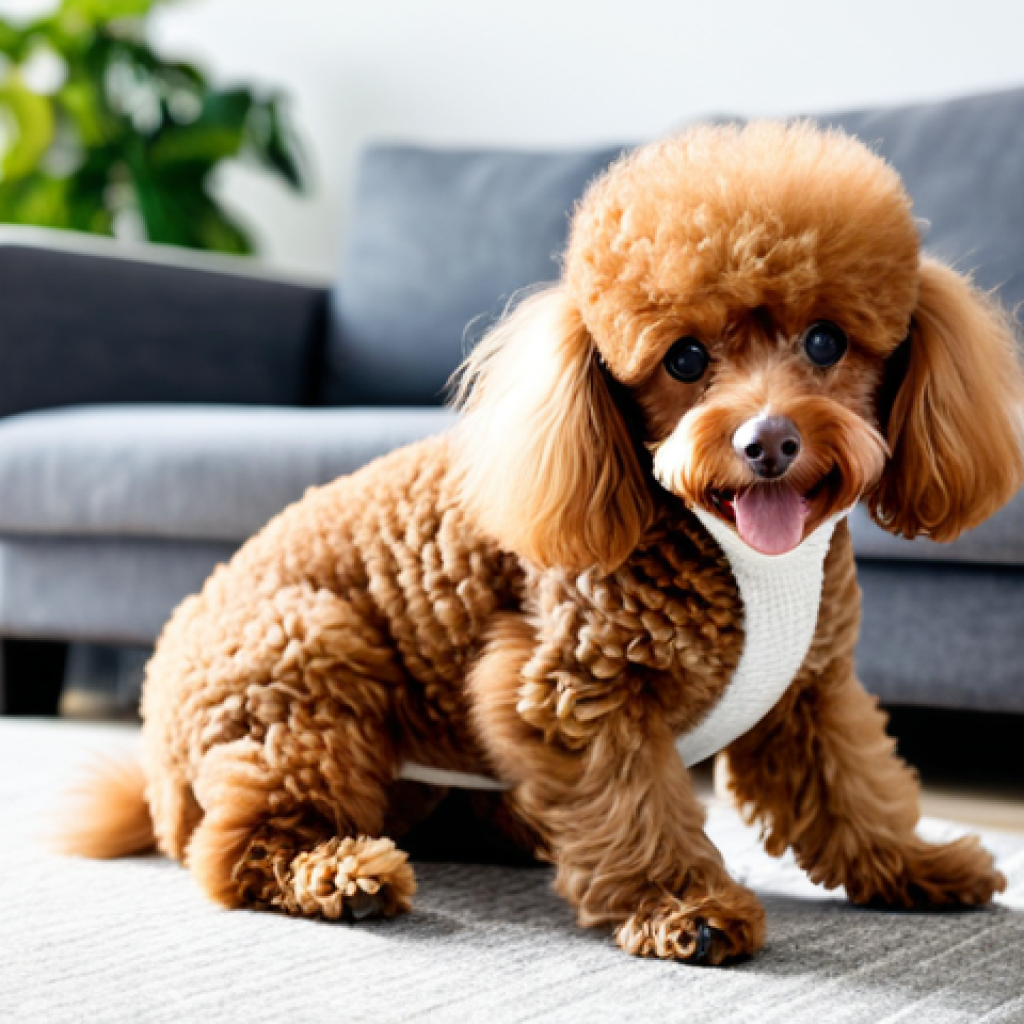
The Toy Poodle, often seen as a fashionable accessory, is anything but a passive lapdog. In my experience, these little dynamos are packed with an incredible amount of personality, often believing they are much larger than they actually are.
They are bold, curious, and incredibly intelligent, often using their wits to get exactly what they want. I’ve seen them outsmart dogs twice their size at the dog park, cleverly snatching toys or leading bigger dogs on merry chases.
Their intelligence means they pick up commands quickly, but it also means they can develop “small dog syndrome” if not properly socialized and trained.
They thrive on human companionship and can become quite attached, sometimes even overly protective of their owners, which I’ve seen manifest as a lot of barking at strangers if not managed well.
They adore being involved in everything and possess a surprising amount of energy for their small frames, often leading to zoomies around the living room that would rival a much larger dog.
2. The Playful Elegance of the Miniature Poodle
Miniature Poodles strike a delightful balance between the spirited nature of the Toy and the serene demeanor of the Standard. They are, in my opinion, the quintessential family dog, adaptable and endlessly entertaining.
My friend has a Miniature Poodle, Archie, who is the most delightful combination of playful energy and affectionate cuddles. He’s always up for a long walk or a game of frisbee, showing remarkable agility and stamina, but also perfectly content to curl up on the sofa for a movie night.
They possess the characteristic Poodle intelligence in spades, making them highly trainable and eager to please. This size often exhibits a robust, joyful personality without the fragility sometimes associated with the tiny Toys or the sheer scale of the Standards.
They are known for their lively disposition and excellent sense of humor, often performing silly antics just to get a laugh, which I personally find utterly charming.
They tend to be more resilient than their smaller counterparts, making them fantastic companions for active families or individuals who enjoy daily adventures.
More Than Just Looks: Tailoring Daily Life to Your Poodle’s Stature
Choosing a Poodle size isn’t just about how much space they’ll take up on your sofa; it fundamentally dictates their daily exercise requirements, grooming routines, and even the suitability of your living environment.
I’ve met so many people who fell in love with the *idea* of a Poodle, only to be overwhelmed by the reality of a Standard Poodle’s endless energy or the delicate grooming needs of a Toy.
It’s a crucial part of responsible pet ownership to understand these practical differences before bringing one home. For instance, I remember advising a young couple living in a small city apartment against a Standard Poodle, not because the dog wouldn’t be loved, but because the sheer volume of exercise required would have been a daily struggle for them, leading to frustration for both dog and owner.
Conversely, a friend of mine, an avid hiker, found a Miniature Poodle to be the perfect companion, able to keep up on long trails but small enough to travel easily.
1. Exercise Needs: From Lapdog Laps to Long Leash Walks
The energy levels across Poodle sizes can be surprisingly varied, and it’s a huge determinant of a happy household. Toy Poodles, despite their size, can be quite energetic indoors, enjoying short bursts of play and mental stimulation.
My neighbor’s Toy, Fifi, gets most of her exercise chasing laser pointers around their apartment and short strolls around the block. They don’t require sprawling backyards, but daily walks and interactive play are still essential to prevent boredom and destructive behaviors.
Miniature Poodles need more structured exercise; they truly thrive on daily walks, dog park visits, and even agility training. They have a surprising amount of stamina and will gladly accompany you on jogs or longer hikes.
Standard Poodles, however, are on a completely different level. These majestic dogs need significant daily exercise – think long walks, runs, swimming, or active play sessions for at least an hour or two a day.
They were originally bred for retrieving from water, and that athletic drive is still very much present. I’ve often seen Standard Poodles become destructive or anxious if their exercise needs aren’t met, pacing or developing separation anxiety.
They are absolute athletes in elegant suits.
2. Grooming Considerations: A Sizeable Task
Poodle coats, regardless of size, demand regular attention to prevent matting and maintain their iconic appearance. However, the sheer volume of coat directly correlates with the size of the dog, making grooming a significantly more time-consuming (and potentially expensive) task for larger Poodles.
Toy Poodles, while still needing professional grooming every 4-6 weeks, are quicker to bathe and brush at home between appointments. A quick daily brush usually suffices to keep their smaller coats tangle-free.
Miniature Poodles require similar frequency in professional grooming, but their larger size means a longer brushing session daily. From my personal experience, a full brush-out for a Miniature can take a good 20-30 minutes if you’re thorough.
Standard Poodles are the true champions of grooming commitment. Their extensive coats require daily, thorough brushing, often taking an hour or more, to prevent painful mats from forming.
Neglecting a Standard Poodle’s coat is not just about aesthetics; it can lead to severe skin issues and discomfort for the dog. I’ve heard countless stories from Standard Poodle owners about the sheer dedication, and cost, involved in keeping their dogs looking pristine, often budgeting hundreds of dollars a month for professional grooming or spending hours doing it themselves.
The Pampering Spectrum: Grooming and Health Needs Across Poodle Sizes
Beyond the daily routine, the size of your Poodle also subtly influences their specific health predispositions and overall care considerations. While Poodles are generally a robust breed, certain conditions can be more prevalent in one size over another, and the logistics of managing care also change with their stature.
It’s not just about bigger dogs needing bigger beds; it’s about understanding the nuances of their biological framework. I’ve always advocated for preventative care, and knowing what to look out for based on size can truly make a difference in your Poodle’s long-term health and happiness.
For instance, a small Toy Poodle might be more prone to dental issues due to crowded teeth, while a large Standard Poodle could be more susceptible to joint problems.
1. Unique Health Concerns for Each Size
It’s a common misconception that all Poodles share the exact same health risks. While many conditions, like certain eye diseases or Addison’s disease, can affect the entire breed, some predispositions are more common within specific size varieties.
For Toy Poodles, I’ve seen many cases of patellar luxation (slipping kneecaps) and Legg-Calve-Perthes disease, which affect their small joints. Dental health is also a major concern due to their tiny mouths, often requiring regular cleanings and sometimes extractions, which is something I always warn new Toy Poodle owners about.
Miniature Poodles are often prone to progressive retinal atrophy (PRA) and epilepsy, and it’s heartbreaking to see them affected by these conditions. Standard Poodles, being larger, unfortunately face a higher risk of hip dysplasia, bloat (gastric dilatation-volvulus), and certain cancers like osteosarcoma.
I remember a friend’s Standard Poodle who battled bloat, and it was a terrifying, life-threatening emergency that highlighted the importance of being aware of these size-specific risks.
Regular vet check-ups and open communication with your veterinarian are paramount, tailoring preventative measures to your specific Poodle’s size.
2. Nutritional Needs and Dietary Habits
Just as their energy levels vary, so do the nutritional requirements of Poodles based on their size. It’s not simply a matter of feeding less or more; the caloric density and nutrient balance need to be adjusted.
Toy Poodles require a diet formulated for small breeds, typically higher in calories per kibble to support their fast metabolisms but in smaller portions.
Overfeeding a Toy Poodle can quickly lead to obesity, which puts undue stress on their tiny joints. Miniature Poodles fall in a middle ground, benefiting from a balanced diet appropriate for medium-sized active dogs.
Standard Poodles, with their substantial frames and high energy, need a diet rich in protein and healthy fats to support their muscle mass and athletic lifestyle.
Large breed formulas are often recommended to ensure proper bone and joint development, especially during their rapid growth phase as puppies. I’ve seen firsthand the impact of inappropriate feeding – from a scrawny, underfed Standard Poodle to an overweight Toy struggling to breathe.
It really drives home the point that a one-size-fits-all approach to diet just doesn’t work for Poodles.
Tiny Dynamo to Gentle Giant: Navigating Training and Socialization
The Poodle’s renowned intelligence is a constant across all sizes, but how that intelligence manifests, and how you approach training and socialization, varies considerably depending on their stature and inherent predispositions.
My personal journey with Poodles has shown me that while they are all incredibly clever, their physical capabilities and typical personality traits mean you need to adapt your methods.
It’s not just about teaching ‘sit’ and ‘stay’; it’s about fostering confidence in a small dog who might be easily overwhelmed, or harnessing the boundless energy of a larger dog to channel it productively.
I once watched a Standard Poodle learn an entire agility course in a single session, a testament to their brilliance, but that same brilliance, if not properly directed, can lead to a very “smart” dog who outsmarts you and develops unwanted habits.
1. Training Approaches Tailored to Size
Effective training for a Poodle means understanding their physical and mental capacity at each size. For Toy Poodles, positive reinforcement and consistency are key.
Because they are so small, it’s easy to overlook undesirable behaviors that would be unacceptable in a larger dog, leading to “small dog syndrome” – excessive barking, nipping, or fear aggression.
I’ve often seen owners carry their Toys everywhere, inadvertently limiting their socialization and confidence. It’s crucial to ensure they have positive experiences on the ground and learn to navigate the world independently.
Miniature Poodles often excel in obedience and dog sports due to their balanced size and eagerness. They respond wonderfully to clicker training and love mental challenges.
Standard Poodles, with their impressive intellect and strength, require a confident and consistent trainer. They thrive on challenging tasks and excel in advanced obedience, agility, and even service dog work.
Their large size means early and consistent leash training is non-negotiable; you don’t want to be pulled down the street by a strong, untrained Standard.
I’ve found that early exposure to various environments and people is crucial for all sizes to prevent fear or over-excitement, making them well-adjusted companions.
Finding Your Fur-Ever Friend: Matching Poodle Size to Your Lifestyle
Ultimately, the decision of which Poodle size to welcome into your home comes down to a realistic assessment of your own lifestyle, living situation, and what you genuinely seek in a canine companion.
I’ve seen so many prospective owners fall in love with the idea of a breed, only to realize the practicalities just don’t align. It’s a deeply personal choice, and one that should be made with careful consideration, not just based on aesthetics or a passing trend.
My own journey, and those of countless friends and clients, have taught me that the “right fit” isn’t about finding the perfect dog, but finding the perfect *partner* for your unique life.
1. Ideal Living Environments and Family Dynamics
Consider your home and family dynamics when choosing a Poodle size. Toy Poodles are perfect for apartment dwellers or those with smaller homes, provided they still receive adequate outdoor stimulation.
They are often ideal for seniors or less active individuals, though their feisty personalities can surprise. My aunt, who lives in a cozy condo, absolutely adores her Toy Poodle, who perfectly fits into her calm, indoor-centric life.
Miniature Poodles are incredibly versatile and fit well into most family settings, from urban apartments to suburban homes with yards. They’re robust enough for children (with proper supervision and training for both dog and child) and adaptable to various activity levels.
Standard Poodles, by contrast, truly thrive in homes with ample space, ideally a secure yard, and with active families. They need room to stretch their legs and are not suited for cramped living conditions where their physical and mental needs cannot be met.
They are fantastic with children due to their gentle nature, but their size means they could accidentally knock over a small child, emphasizing the need for supervision.
| Poodle Size | Typical Weight | Typical Height (at shoulder) | Energy Level | Grooming Frequency | Ideal Living Space |
|---|---|---|---|---|---|
| Toy | 4-6 lbs (1.8-2.7 kg) | Up to 10 inches (25 cm) | Moderate to High (bursts) | Every 4-6 weeks professional; daily brushing | Apartment, small home |
| Miniature | 10-15 lbs (4.5-6.8 kg) | 10-15 inches (25-38 cm) | Moderate to High (consistent) | Every 4-6 weeks professional; daily brushing | Apartment, house with/without yard |
| Standard | 40-70 lbs (18-32 kg) | Over 15 inches (38 cm) | High (sustained) | Every 4-6 weeks professional; extensive daily brushing | House with secure yard, active lifestyle |
Unveiling the Nuances: Common Misconceptions About Poodle Sizes
It constantly amazes me how many preconceived notions people have about Poodles, especially concerning their size variants. These aren’t just minor misunderstandings; they can lead to significant compatibility issues between a dog and its future family.
From my years observing these incredible canines and chatting with their devoted owners, I’ve heard every myth imaginable. It’s crucial to debunk these, not just for the sake of the dogs, but for the humans who might otherwise make an uninformed decision that leads to unhappiness for both parties.
I once had a client who was utterly convinced that all Standard Poodles were aloof and high-strung, purely because of one unfortunate encounter, and it took a lot of genuine exposure to well-socialized Standards for them to truly appreciate their calm, loving nature.
1. Addressing Size-Specific Temperament Myths
One of the biggest myths I encounter is that all small dogs are yappy and aggressive, and conversely, that all large dogs are docile and calm. While a Toy Poodle *can* be vocal, this is often a result of lack of proper training and socialization, not an inherent trait of their size.
I’ve met more quiet, well-mannered Toy Poodles than loud ones. Their vocalizations often stem from excitement or feeling overwhelmed in a big world, not inherent “nastiness.” Similarly, while many Standard Poodles are calm and composed, they are still highly intelligent and active dogs who require significant mental and physical stimulation.
A bored Standard Poodle can be a very destructive force, not a docile one. The idea that their size dictates a universal personality trait is a disservice to the individual dogs and the breed’s intelligence.
Every Poodle, regardless of size, is an individual, and their temperament is shaped by genetics, early experiences, and ongoing training, not just their dimensions.
It’s about nurturing their potential, not confining them to a stereotype.
Concluding Thoughts
As we’ve journeyed through the wonderful world of Poodles by size, I hope it’s become clear that these aren’t just one-size-fits-all companions. Each variety brings its own unique set of joys, challenges, and requirements. The true beauty lies in understanding these nuances and finding the Poodle that perfectly complements *your* life, ensuring a happy, harmonious existence for both of you. It’s a commitment, yes, but one that rewards you tenfold with unparalleled companionship and affection. Choose wisely, love deeply, and embrace the distinct personality that each Poodle size truly offers.
Useful Insights for Poodle Parents
1. Always prioritize a Poodle’s health by researching breeders who conduct extensive health clearances for genetic conditions common to their size. Don’t be afraid to ask for proof; a reputable breeder will be proud to show you.
2. Mental stimulation is just as crucial as physical exercise for all Poodles, regardless of size. Puzzle toys, training sessions, and even learning new tricks will keep their intelligent minds sharp and prevent boredom.
3. Invest in professional grooming early, even if you plan to do some at-home maintenance. A good groomer can teach you techniques, recommend products, and help your Poodle get comfortable with the process, making future sessions much easier.
4. Socialization is key for every Poodle. Expose them to a variety of sights, sounds, people, and well-behaved dogs from a young age to ensure they grow into confident, well-adjusted adults, no matter their stature.
5. Remember that while breed characteristics offer a general guide, every Poodle is an individual. Spend time getting to know potential puppies or rescue dogs; their unique personalities will always shine through their size.
Key Takeaways
The Poodle breed, while unified by intelligence and elegance, exhibits distinct personality traits, energy levels, and care requirements across its Toy, Miniature, and Standard sizes. Your ideal Poodle companion should align not just with your aesthetic preference but, crucially, with your living environment, activity level, and capacity for grooming and specialized care. Understanding these size-specific nuances—from exercise needs and grooming demands to potential health concerns and training approaches—is paramount for fostering a healthy, happy, and fulfilling relationship with your Poodle. Responsible ownership means choosing a Poodle size that genuinely fits your lifestyle, ensuring both you and your furry friend thrive together.
Frequently Asked Questions (FAQ) 📖
Q: I thought Poodles were all pretty similar, just different sizes. What’s the most common “aha!” moment new owners have about Poodle variations, especially when it comes to size?
A: Oh, I hear this all the time! It’s wild, but many people, myself included before I really delved into the breed, picture a Poodle as just “a Poodle.” The biggest eye-opener?
The energy level doesn’t scale down proportionally with size, and neither does their personality! I’ve seen countless folks, initially thinking a Toy Poodle would be a quiet little lap dog, absolutely floored when they meet one zipping around the dog park, outrunning Labs!
They’re like little bundles of perpetual motion, demanding just as much mental stimulation as their larger counterparts. It really makes you realize that “size” isn’t just about how much space they take up on your sofa; it fundamentally shapes their daily needs and how you interact with them.
It’s a genuine surprise for many, seeing how much ‘oomph’ can come in such a tiny package.
Q: Beyond the obvious difference in physical space, how do the varying Poodle sizes truly impact a family’s daily life and household dynamics?
A: This is where the rubber meets the road, isn’t it? It’s not just about fitting them in your apartment. Take exercise: A Standard Poodle needs serious, vigorous runs – I mean, they were bred for retrieving from water, they love to move!
You’ll be clocking serious miles, rain or shine. But even a Toy Poodle, while they won’t need a marathon, still requires consistent walks and mental games, otherwise, you’ll have a mischievous little shadow turning your home into their personal puzzle box.
Grooming, too, varies. A Miniature Poodle’s coat, for example, might seem less daunting than a Standard’s, but it still needs professional attention every 6-8 weeks, and those bills add up, whether it’s for a tiny or large dog.
Then there’s the nuance of living space: a Standard might struggle to navigate a tight urban flat, while a Toy or Mini might get underfoot if you’re constantly rushing around a busy household.
I once had a client with a Standard in a small apartment, and while the dog was loved, I could just tell the space was a constant source of frustration for both of them.
It’s about finding that symbiotic balance.
Q: With such a wide range of sizes and temperaments, what’s your most critical piece of advice for someone trying to find their ideal Poodle match, especially for modern, often busy, lifestyles?
A: My absolute top piece of advice, hands down, is to be brutally honest with yourself about your actual lifestyle, not the one you wish you had. Don’t just look at pictures or fall for the “cuteness factor” (they’re all cute, trust me!).
Think about your typical day: How much time do you genuinely have for walks, training, and play? Do you live in a tiny city apartment or a house with a yard?
Are you an outdoorsy adventurer, or more of a homebody? Spend time, if you can, with Poodles of all sizes – not just online, but in person! Visit dog parks, talk to owners, maybe even volunteer at a local rescue that has Poodles.
I’ve seen people choose a Standard Poodle because they loved their majestic look, only to realize too late they didn’t have the time or space for their significant needs.
Conversely, some choose a Toy thinking it’s “easier,” then get overwhelmed by their surprising energy. It’s like finding a life partner – it’s a long-term commitment, and doing your due diligence upfront, even if it feels like a lot of work, pays off in years of shared happiness.
It’s all about aligning your reality with the Poodle’s reality.
📚 References
Wikipedia Encyclopedia
구글 검색 결과
구글 검색 결과
구글 검색 결과
구글 검색 결과
구글 검색 결과