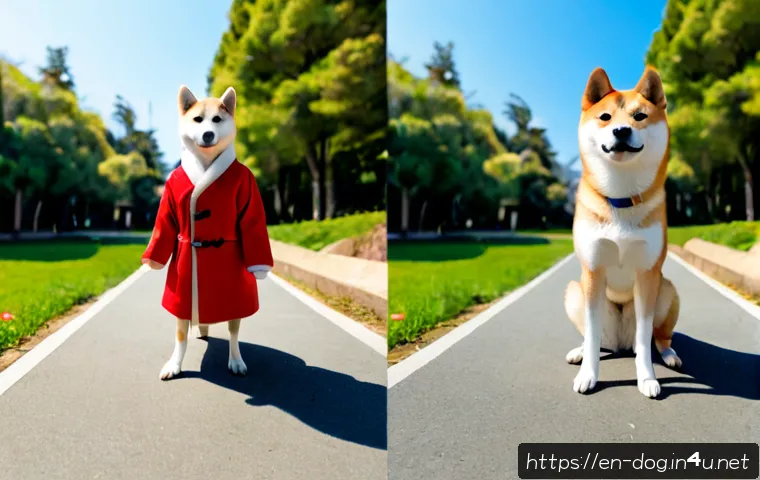
Jindos and Shiba Inus may look alike, but they differ in size, independence, sociability, prey drive, and training needs. Compare temperament, home fit, ongoing costs, and safety considerations before choosing.
Jindos and Shiba Inus share a fox-like spitz appearance, but their best home fit can be quite different. Jindos often require especially careful management around unfamiliar animals, while Shiba Inus are generally smaller but remain highly independent. Both are alert, intelligent, double-coated dogs that need patient training, regular grooming, and secure handling. Neither breed is a casual choice based on looks alone. The better option depends on your household, your ability to manage introductions, and your plan for leash safety and containment. Before choosing a breeder or rescue, compare the ongoing needs as carefully as the initial cost.
At a Glance
- Jindos are Korean spitz-type dogs often noted for close household loyalty and reserve around unfamiliar people or dogs.
- Shiba Inus are Japanese spitz-type dogs that are generally smaller and lighter, but can still be aloof and strong-willed.
- Both breeds shed heavily during seasonal coat blowing and need secure leashes, escape-resistant fencing, and reward-based training.
| Decision Area | Jindo | Shiba Inu |
|---|---|---|
| Home fit | Often suits a household prepared for a reserved, loyal dog and careful introductions. | May suit a smaller-home lifestyle when exercise, training, and management are still consistent. |
| Training support | Early socialization and reliable leash-management habits are important. | Early reward-based training is important for an independent, strong-willed personality. |
| Grooming tools | Double-coat brushing supplies are useful, especially during seasonal shedding. | Double-coat brushing supplies are useful, especially during seasonal shedding. |
| Containment needs | Secure leash handling and escape-resistant fencing are key. | Secure leash handling and escape-resistant fencing are key. |
| Typical cost categories | Acquisition, food, veterinary care, training, grooming, insurance, and fencing. | Acquisition, food, veterinary care, training, grooming, insurance, and fencing. |
The Short Answer: Similar Appearance, Different Household Fit
The biggest differences in size, reserve, and daily management
The most visible difference is usually size: Shiba Inus are generally smaller and lighter than Jindos, although individual dogs and breed standards vary. The more important difference is often day-to-day management. Jindos are commonly described as strongly loyal to their own household and more reserved with unfamiliar people or dogs. Shiba Inus can also be aloof, but their smaller size should not be mistaken for an easier personality.
Why neither breed is a low-effort choice for an unprepared home
Both dogs are intelligent and independent. That combination can be rewarding, but it also means that training should not be skipped simply because a dog seems calm or self-contained. A secure routine for walks, visitors, doors, gates, and introductions to other animals matters more than a cute fox-like appearance. Independence is not the same as low maintenance.
Jindo vs. Shiba Inu at a Glance
Size, coat care, exercise, and apartment considerations
A Shiba Inu’s generally smaller build may be easier to accommodate in a compact home, but apartment living still requires a realistic exercise and management plan. Both breeds have double coats and shed, with heavier seasonal coat blowing that can increase grooming needs. A dependable brush, a grooming routine, and a plan for loose fur are practical purchases before bringing either dog home.
Temperament around strangers, visitors, dogs, and small pets
Do not assume either breed will welcome every visitor, dog, cat, or small pet. Jindos may be reserved with unfamiliar people or dogs, while Shibas may also be aloof and strong-willed. Either breed may chase small animals or wander when given the opportunity. For homes with cats, small dogs, or frequent visitors, ask a breeder or rescue about the individual dog’s observed behavior and use careful, supervised introductions.
Training style, recall expectations, and leash safety
Reward-based socialization and training are important for both breeds. A dog’s recall, prey drive, and comfort around other animals cannot be guaranteed from a breed name alone. Until behavior is well understood, prioritize a secure leash, controlled outings, and escape-resistant fencing. Professional dog training classes can be useful when you need support with handling, socialization, or household routines.
What Ownership May Cost Beyond the Initial Fee
Responsible breeder or rescue screening questions
Whether you choose a breeder or a rescue, ask questions that focus on the actual dog rather than marketing language. Request available health-testing documentation, ask about known behavior around people and other animals, and clarify the placement process. Rescue history, health screening practices, veterinary needs, and responsible placement standards vary by individual dog and organization.
Budget categories: food, veterinary care, training, grooming, insurance, and fencing
The initial acquisition or adoption fee is only one part of ownership. Build a budget that includes food, routine and unexpected veterinary care, training classes, grooming tools, pet insurance, replacement leashes or harnesses, and secure fencing if needed. Prices, insurance premiums, trainer rates, and adoption fees vary by location and provider, so compare current local options before making a commitment.
When paying for professional training can prevent costly mistakes
Professional support may be worth considering when a household needs help with leash manners, visitor management, introductions to other pets, or reliable routines. The goal is not to promise a specific result. It is to give both the dog and household clearer structure before a problem becomes harder to manage. When comparing local training options, look closely at the trainer’s approach and whether it fits reward-based learning.
Common Mistakes When Choosing Between These Spitz Breeds
Choosing solely for the fox-like look
Jindos and Shiba Inus can look similar at a glance, but appearance does not predict the right household match. A smaller dog may still need serious handling, and a beautiful double coat still requires grooming. Choose based on lifestyle, management capacity, and the dog’s individual history.
Assuming an independent dog needs less training

An independent temperament can make early training more important, not less. Consistent routines, reward-based practice, and realistic expectations around recall can help create safer daily habits. Avoid assuming that intelligence automatically means easy obedience.
Underestimating prey drive, escapes, and introductions to other pets
Because either breed may chase small animals or wander, containment should be planned before arrival. Check gates, fencing, leash hardware, and household door routines. If there are cats, small dogs, or other pets in the home, do not rely on breed reputation alone; an individual behavior assessment and gradual introductions are safer decision tools.
Which Home Is a Better Match for Each Breed?
Active single-dog homes and experienced handlers
A home that can provide consistent exercise, training, and controlled outings may be a better match for either breed. Jindos may appeal to experienced handlers who are comfortable managing a dog that can be deeply loyal at home yet reserved with unfamiliar animals or people. Shiba Inus may appeal to owners seeking a generally smaller spitz-type dog while accepting that independence still requires structure.
Homes with children, cats, or frequent visitors
Neither breed can be declared automatically suitable or unsuitable for these homes. The relevant questions are about the individual dog: How does it respond to handling, unfamiliar people, other dogs, cats, or small animals? Households with children or frequent visitors should prioritize supervision, clear boundaries, and behavior information from the breeder or rescue.
Apartment living versus homes with secure outdoor space
An apartment can work only when daily walks, training, and secure handling are reliable. A yard can be useful, but it is not a substitute for supervised exercise or training. For either breed, secure outdoor space means checking fencing and gates for escape opportunities rather than assuming a yard alone solves activity needs.
Selection Criteria and Comparison Summary
Before contacting a breeder or rescue, check these points: the dog’s individual behavior history, your plan for training support, your ability to manage visitors and other pets, your grooming routine, and your containment setup. Also separate the initial fee from recurring costs for food, veterinary care, grooming, training, fencing, and pet insurance. Compare local training options, request health-testing documentation where applicable, and price secure fencing and pet insurance before bringing a dog home. Official details and full coverage conditions should be checked directly on the relevant provider’s page.
Closing Thoughts
Jindos and Shiba Inus are not interchangeable simply because both are striking spitz-type breeds. The practical choice comes down to size, reserve, independence, household activity, and safe management around unfamiliar animals. A careful decision now can make daily life easier for both the dog and the people living with it. Focus on the individual dog, not just the breed label or popularity.
Useful Information to Know
Coat: Both breeds have double coats and seasonal shedding periods.
Training: Reward-based socialization and training are important for both.
Safety: Secure leashes and escape-resistant fencing are sensible priorities.
Costs: Local prices for adoption, breeders, insurance, trainers, and veterinary services can vary widely.
Important Considerations
Breed tendencies do not determine the exact temperament, prey drive, separation tolerance, or compatibility of a specific dog. A puppy’s future behavior and a rescue dog’s adjustment period cannot be guaranteed. Confirm health screening practices, behavior information, training needs, and household fit directly with the breeder, rescue, veterinarian, trainer, or insurance provider involved.
Frequently Asked Questions
Q1. Is a Jindo or Shiba Inu better for a first-time dog owner?
A1. Neither should be chosen as an automatically easy first dog. Both can be independent and need early, reward-based training, secure handling, and thoughtful socialization. A first-time owner should consider available training support and the individual dog’s behavior history before deciding.
Q2. Which breed usually costs more to own: a Jindo or a Shiba Inu?
A2. There is no reliable universal answer. Puppy prices, adoption fees, veterinary needs, trainer rates, grooming expenses, fencing needs, and pet insurance premiums vary by location, provider, and individual dog. Compare the full ownership budget, not only the initial fee.
Q3. Are Jindos and Shiba Inus safe to keep with cats or small dogs?
A3. Compatibility cannot be guaranteed by breed alone. Either breed may chase small animals, and the individual dog’s prey drive and prior experience matter. Use careful introductions, supervision, secure management, and an individual behavior assessment when cats or small dogs are already in the home.