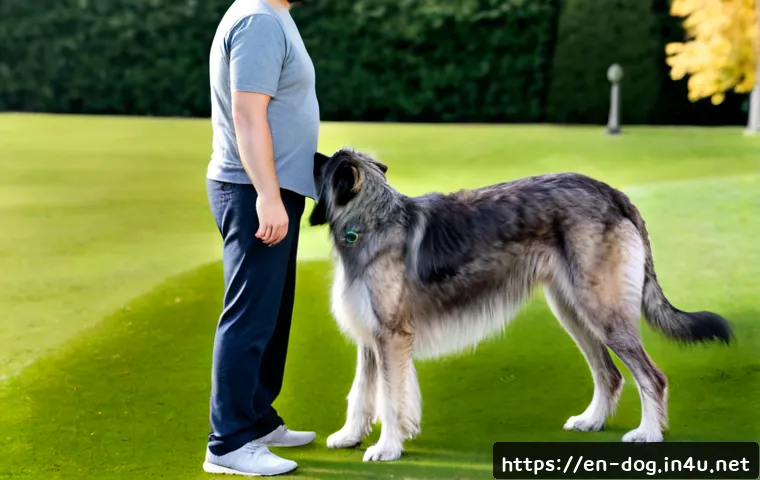
Irish Wolfhounds are among the tallest dog breeds: adult males are commonly at least 32 inches at the shoulder and about 120 pounds or more, while females are commonly at least 30 inches and about 105 pounds or more.
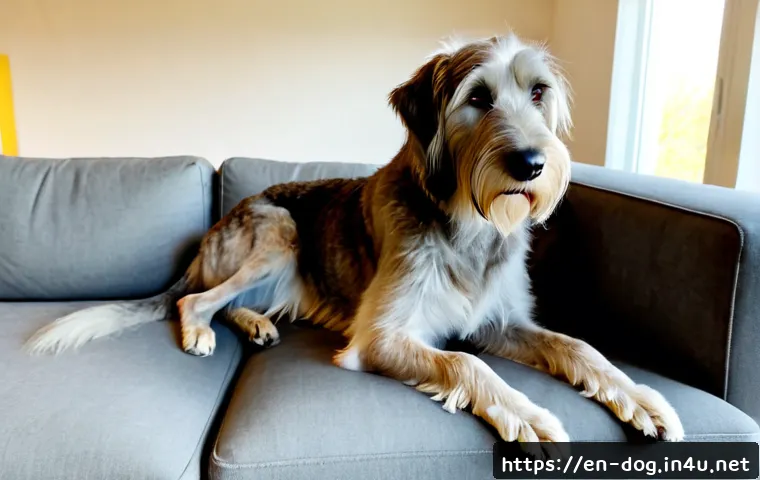
Their height is measured at the shoulders, not at the top of the head or when standing upright. That scale affects everyday choices, from crate and vehicle fit to food portions, insurance options, training, and veterinary budgeting.
A large house is not automatically required, but safe movement space and comfortable handling are essential. Before choosing a puppy or adult dog, compare your home, transport, equipment, and recurring budget with the needs of a giant breed.
At a Glance
- Typical male size: at least 32 inches (81 cm) at the shoulder and often about 120 pounds (54 kg) or more.
- Typical female size: at least 30 inches (76 cm) at the shoulder and often about 105 pounds (48 kg) or more.
- Ownership takeaway: giant-breed equipment, food portions, transport, training, and veterinary planning can all scale up with body size.
| Decision Area | What to Check Before Choosing | Why It Matters |
|---|---|---|
| Adult size | Height at the shoulder, body weight, and individual variation | Affects handling, home layout, and equipment selection. |
| Home space | Clear paths, a safe resting area, and room for people to move around the dog | A giant dog needs practical indoor space, not simply a large address. |
| Crate and bed | Interior room to stand, turn, rest, and enter comfortably | Undersized crates and beds can make daily care difficult. |
| Vehicle setup | Entry height, floor space, restraint options, and loading comfort | Transport planning is harder once the dog is fully grown. |
| Recurring budget | Food, preventive care, medication, training, insurance, and emergency planning | Many costs can increase with a larger body size. |
The Quick Answer: How Tall and Heavy Is an Adult Irish Wolfhound?
Irish Wolfhounds are widely recognized as one of the tallest dog breeds. Their size is a major ownership factor because it changes how you plan for housing, supplies, travel, and routine care.
Typical Male Height and Weight
Adult males are commonly at least 32 inches (81 cm) at the shoulder and often weigh about 120 pounds (54 kg) or more. An individual dog may be larger or smaller depending on genetics, diet, health, conditioning, and sex.
Typical Female Height and Weight
Adult females are commonly at least 30 inches (76 cm) at the shoulder and often weigh about 105 pounds (48 kg) or more. Female does not mean small in this breed; a mature female is still a giant dog for equipment and handling purposes.
How to Measure a Dog Correctly at the Shoulder
Shoulder height is measured from the ground to the highest point of the shoulders. It is not measured to the top of the head, ears, or nose. This is the useful measurement when comparing a crate, vehicle opening, bed, grooming setup, or doorway clearance.
What That Size Looks Like in Everyday Life
An Irish Wolfhound’s size becomes most noticeable in ordinary moments: turning around in a hallway, sharing a sofa area, getting into a car, or being held safely during grooming or veterinary visits.
Standing Height Versus Shoulder Height
A dog standing on its hind legs can look dramatically taller, but that is not a reliable size standard. Upright reach varies by posture and movement. Use shoulder height and body weight for practical buying decisions, especially for crates, harnesses, and vehicle barriers.
Doorways, Furniture, Counters, and Shared Living Space
Check whether your dog can move through the home without squeezing between furniture or creating trip hazards. Think about where a large bed will sit, where the dog can rest without blocking a main route, and whether household members can comfortably pass by. Size also makes polite handling and early training especially valuable.
Why “Big Yard Required” Is an Incomplete Rule
A very large yard does not replace safe routines, supervision, or an indoor resting area. Conversely, a smaller home is not automatically unsuitable. The meaningful question is whether the dog has safe room to move, rest, and be handled comfortably, along with a realistic daily care routine.
Irish Wolfhound Size Compared With Other Giant Dog Breeds
When comparing giant breeds, height alone can be misleading. A taller dog may not be the heaviest, and two dogs with similar weights may have very different shapes, grooming needs, and handling demands.
Height, Weight, and Build Comparison Table
| Comparison Point | Irish Wolfhound Consideration | What to Compare in Another Giant Breed |
|---|---|---|
| Height | Known for exceptional shoulder height | Measure at the shoulder, not the head. |
| Weight | Adult males often weigh about 120 pounds or more; females about 105 pounds or more | Check the expected adult range for the specific breed and sex. |
| Build | Tall stature can affect turning space and transport layout | Consider length, width, strength, and lifting needs. |
| Daily care | Requires giant-size planning | Compare exercise, grooming, training, and household handling needs. |
Tallest Versus Heaviest: Why the Distinction Matters
A dog can be exceptionally tall without being the heaviest giant breed. For owners, both dimensions matter. Height can affect loading into a vehicle and access through tight areas, while body weight can influence food portions, medication doses, lifting, and the strength required of collars, harnesses, and restraints.
Exercise, Grooming, and Handling Differences
Do not choose based on an impressive height figure alone. Compare the practical routine: how the dog will be exercised, where grooming happens, who can handle the dog, and whether your household can manage large equipment. Temperament and health cannot be predicted from size alone, so discuss the individual dog with appropriate professionals.
Space, Equipment, and Budget Considerations for Giant Dogs
Giant-breed ownership is often less about one large purchase and more about repeated choices that must fit a large body safely.
Beds, Crates, Harnesses, and Vehicle Setup
Look for giant-breed beds, crates, collars, and harnesses that match the dog’s actual measurements rather than a broad “large dog” label. A crate should allow the dog to stand, turn, and rest comfortably. For a vehicle, check the usable floor area, entry point, restraint compatibility, and whether loading will remain manageable as the dog matures.
Food, Preventive Care, and Medication Costs That Can Scale With Size
Larger dogs can need larger food portions, larger equipment, and veterinary medication doses that reflect body size. Preventive care, pet insurance, training, and emergency planning should be part of the budget discussion before bringing home a puppy or adult dog. Current costs vary by location, provider, dog, and coverage details, so obtain local quotes rather than relying on a general estimate.
Questions to Ask Trainers, Insurers, Breeders, and Veterinary Clinics
Ask a trainer about handling skills for a powerful giant dog and age-appropriate puppy routines. Ask a pet insurance provider what the policy covers, what exclusions apply, and how claims work. Ask a veterinary clinic whether it can comfortably accommodate a dog of this size. When speaking with a reputable breeder or rescue, ask about the individual dog’s expected needs and the information available about its background.

Growth, Safety, and Common Owner Mistakes
Irish Wolfhounds mature slowly compared with many smaller breeds. Puppyhood is not the time to push for rapid growth or assume that adult-size equipment will be easy to postpone.
Why Rapid Growth Should Not Be Encouraged
Carefully managed growth is important for giant-breed puppies. Feeding and growth questions should be discussed with a veterinarian who can assess the individual dog. Avoid treating faster growth as a success marker.
Safe Exercise and Joint-Conscious Routines for Growing Dogs
Choose routines that fit the puppy’s stage of development and avoid assuming that more intensity is always better. A veterinarian or qualified trainer can help you plan safe, age-appropriate activity and handling habits. The goal is steady development, not an adult-sized dog as quickly as possible.
Avoiding Undersized Equipment and Poor Transport Planning
Buying a small crate, narrow bed, weak restraint, or unsuitable vehicle setup can create an expensive second purchase later. Measure first. Also consider who will manage the dog during travel, grooming, recovery from illness, or an unexpected emergency.
Choosing an Irish Wolfhound: A Practical Fit Check
The right household is not defined only by square footage. It is defined by whether daily life can safely accommodate a very tall, heavy dog from puppyhood through adulthood.
Best Household Situations for This Breed’s Size and Temperament
A suitable household has clear indoor paths, a practical resting area, reliable transport options, and adults who can manage giant-dog equipment. It also has room in the budget for food, training, preventive veterinary care, and contingency planning. The personality and needs of an individual dog should be assessed separately from its size.
When Another Large or Giant Breed May Be a Better Fit
Another breed may be a better match if your vehicle cannot safely carry a fully grown dog, your home cannot fit a proper crate or resting area, or the ongoing costs would strain your budget. A comparison should include handling, grooming, exercise, transport, and equipment, not a height ranking alone.
Selection Criteria and Comparison Summary Before Contacting a Breeder or Rescue
Before contacting a breeder or rescue, write down your available indoor space, vehicle measurements, preferred crate location, local veterinary options, and monthly care budget. This makes conversations more useful and helps avoid choosing based on appearance alone.
Selection Criteria and Comparison Summary
Use this final check before committing: confirm adult shoulder-height expectations; measure the crate, bed, doorways, and vehicle space; plan for larger food portions and size-related veterinary costs; compare pet insurance terms; and identify a trainer and veterinary clinic that can handle a giant breed. For large-breed supplies, insurance details, training services, or breeder screening information, review the full conditions on the relevant provider’s page before deciding.
Closing Thoughts
Irish Wolfhounds are extraordinary in height, but their size should be treated as a daily planning issue rather than a novelty. The best preparation is practical: measure your space, assess transport, choose correctly sized equipment, and build a realistic care budget. No one can guarantee the exact adult size, health, or temperament of an individual puppy. Careful questions and local professional guidance can help you make a more informed choice.
Useful Things to Know
1. Shoulder height is the standard measurement for comparing dog size.
2. A large yard alone does not determine whether a home works for a giant dog.
3. Giant-breed costs can rise through food, supplies, preventive care, medication, training, and transport.
4. Measuring your home and vehicle before choosing a dog is more useful than estimating by eye.
Important Notes
Adult size varies by genetics, sex, diet, health, and conditioning. The exact size of a puppy, fit in a specific apartment or vehicle, airline acceptance, insurance premiums, breeder pricing, and local veterinary fees must be confirmed directly. Size alone does not predict a dog’s health, temperament, or lifespan.
Frequently Asked Questions
Q1. How tall is an Irish Wolfhound when standing on its hind legs?
A1. There is no single reliable figure because upright height changes with posture and movement. Use the dog’s shoulder height for meaningful comparisons: adult males are commonly at least 32 inches at the shoulder, and females are commonly at least 30 inches.
Q2. Is an Irish Wolfhound too big for an apartment or smaller home?
A2. Not automatically. The key issue is whether there is safe room to move, rest, and handle the dog comfortably, plus a workable plan for exercise, transport, crate space, and daily care. Measure the actual space rather than relying on the home type alone.
Q3. How much does it cost to own an Irish Wolfhound compared with a medium-sized dog?
A3. Exact costs depend on location and provider, but several categories can scale with size: food portions, beds, crates, vehicle setup, preventive care, medication doses, training, insurance, and emergency planning. Request current local quotes before making a commitment.