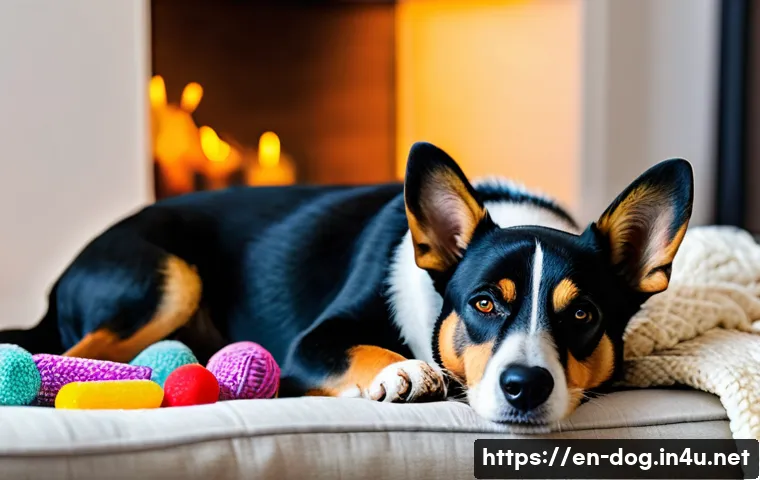
Just like us, dogs can experience stress that affects their mood and health. Whether it’s due to changes in their environment, loud noises, or separation anxiety, managing your furry friend’s stress is essential for their well-being.
Over time, I’ve noticed that small adjustments in daily routines and creating a calm space can work wonders for calming anxious pups. Understanding the signs of stress and knowing effective relief methods can truly make a difference in your dog’s happiness.
Let’s dive into some practical tips and proven strategies to help your dog feel relaxed and secure! We’re about to explore everything you need to know in detail.
Identifying Stress Signals in Your Dog
Physical Symptoms to Watch For
Dogs often communicate their stress through physical signs that can be easy to overlook if you’re not paying close attention. Common symptoms include excessive panting, drooling, shaking, or even a tucked tail.
I remember my own dog started yawning repeatedly and avoiding eye contact during thunderstorms, which was a clear sign he was feeling anxious. These subtle hints are your dog’s way of saying they’re uncomfortable, and noticing them early can help you intervene before stress escalates.
Behavioral Changes Indicating Anxiety
Beyond physical cues, dogs may show changes in behavior when stressed. You might notice restlessness, pacing, or destructive chewing on furniture and shoes.
My neighbor’s dog once became unusually clingy and whined constantly when left alone, indicating separation anxiety. Such behavior shifts are crucial to recognize because they often signal deeper emotional distress that needs addressing through consistent routines or calming techniques.
How Environment Influences Stress Levels
Environmental factors play a huge role in your dog’s emotional state. Loud noises like fireworks or construction work can trigger panic, while sudden changes such as moving to a new home or the arrival of a new family member can cause confusion and stress.
In my experience, creating a predictable daily schedule and minimizing exposure to stressors significantly helped my dog regain a sense of security and calmness over time.
Creating a Safe Haven at Home
Setting Up a Comfortable Resting Spot
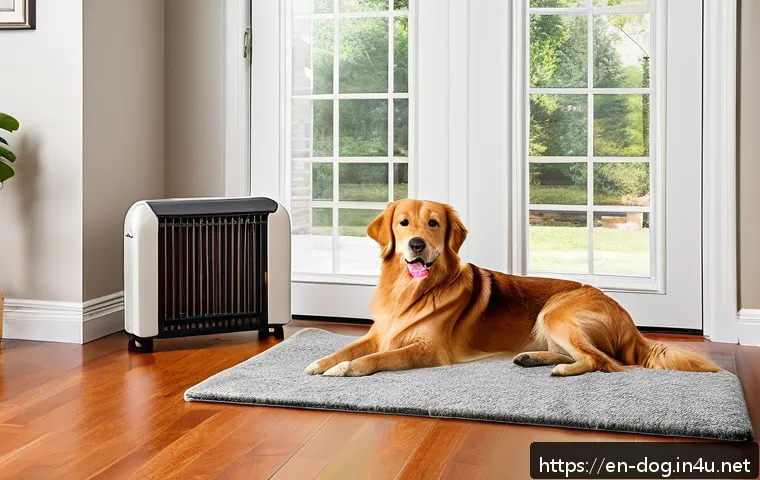
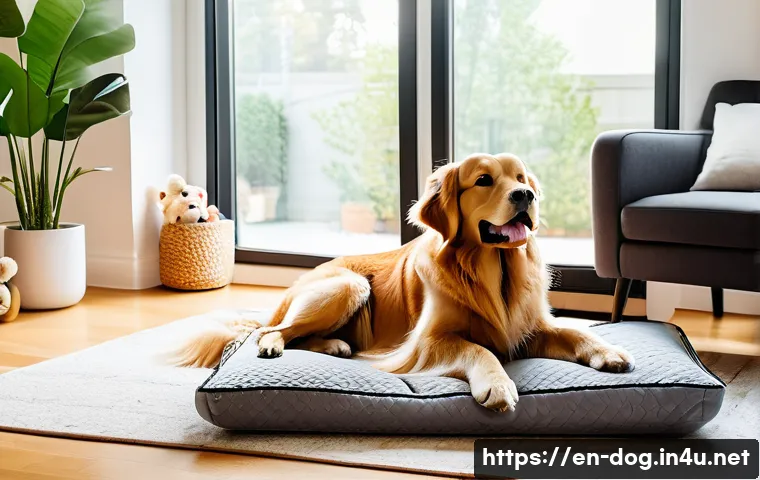
A cozy, quiet corner where your dog can retreat is essential for stress relief. I found that placing a soft bed in a low-traffic area with some favorite toys instantly made my dog feel more secure.
Adding a blanket or an item with your scent can enhance this comfort zone, making it a refuge during stressful moments.
Using Calming Aids and Tools
There are several tools that can help reduce your dog’s anxiety, from calming wraps and pheromone diffusers to soothing music playlists designed specifically for pets.
I once tried a pheromone diffuser during a particularly noisy renovation period, and it noticeably reduced my dog’s pacing and whining. Experimenting with these aids can be a game-changer in helping your furry friend relax.
Maintaining a Consistent Routine
Dogs thrive on routine, and maintaining regular feeding, walking, and playtimes can alleviate much of their stress. When my schedule got irregular due to work, I noticed my dog became more anxious and less responsive.
Returning to a stable routine helped restore his confidence and reduced his anxious behaviors significantly.
Exercise and Mental Stimulation for Stress Relief
Physical Activity’s Role in Reducing Anxiety
Regular exercise is one of the most effective ways to manage your dog’s stress. Activities like daily walks, fetch, or swimming not only expend excess energy but also trigger the release of endorphins, which naturally elevate mood.
Personally, I noticed that on days when my dog missed his morning walk, he seemed more irritable and restless, highlighting how crucial movement is for his emotional balance.
Interactive Toys and Puzzle Games
Mental stimulation through puzzle toys and training sessions keeps your dog’s brain busy and can distract from anxiety triggers. I introduced a treat-dispensing puzzle to my dog’s playtime, and it quickly became a favorite activity that calmed him down during stressful periods.
These toys challenge their problem-solving skills and offer a rewarding focus, which is key to reducing stress.
Socialization Benefits and Limits
While socializing with other dogs and people can help reduce anxiety by boosting confidence, it’s important to recognize your dog’s comfort level. Forced interactions can backfire, increasing stress instead of easing it.
I’ve learned to carefully observe my dog’s body language during meetups and end social sessions early if he shows signs of overwhelm, ensuring these experiences remain positive.
Nutrition and Supplements to Support Calmness
Dietary Choices That Influence Mood
What your dog eats can have a surprising impact on their stress levels. Diets rich in omega-3 fatty acids, antioxidants, and vitamins contribute to brain health and emotional stability.
After switching to a high-quality, balanced diet with added fish oil, I noticed my dog was generally calmer and more resilient to stressful situations.
Natural Supplements Worth Considering
Certain supplements like CBD oil, valerian root, and chamomile have gained popularity for their calming effects. I tried a veterinarian-approved CBD tincture during a thunderstorm season, and it helped my dog relax without sedation.
Always consult your vet before starting supplements to ensure safety and proper dosage tailored to your dog’s needs.

Hydration and Its Subtle Impact
Hydration is often overlooked but critical in maintaining your dog’s overall well-being. Dehydration can exacerbate stress and irritability. I make it a point to keep fresh water available at all times and encourage drinking by adding a splash of low-sodium broth.
Keeping your dog hydrated supports their physical and mental health, contributing to stress reduction.
Training Techniques to Build Confidence
Positive Reinforcement Strategies
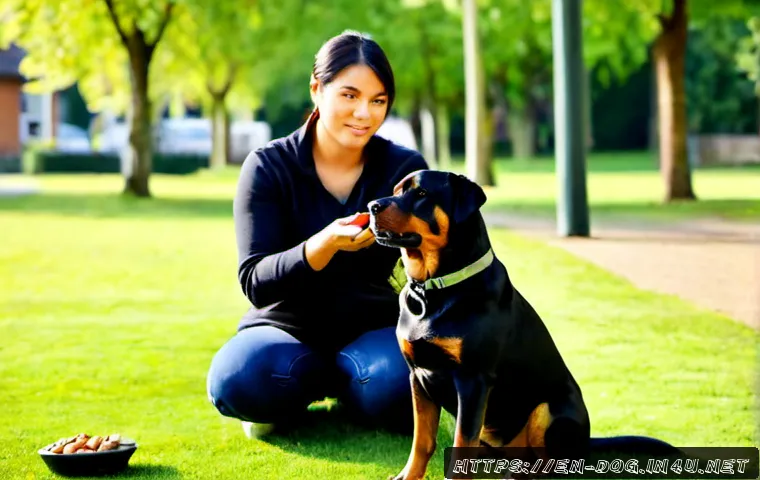
Training with rewards and praise helps build your dog’s confidence and trust, which in turn reduces anxiety. I found that rewarding calm behavior during potentially stressful events, like vet visits, gradually helped my dog associate those situations with positive outcomes.
Consistency and patience are key in reinforcing these behaviors.
Desensitization and Counter-Conditioning
Gradually exposing your dog to anxiety triggers in a controlled way can lessen their fear response. For example, playing recorded thunder sounds at low volume while offering treats can desensitize them over time.
I practiced this method with my dog before fireworks night, and it significantly reduced his panic reactions.
Avoiding Punishment and Negative Reinforcement
Harsh punishments or scolding can worsen stress and damage your bond with your dog. I’ve seen dogs become more fearful and withdrawn when punished for anxious behaviors.
Instead, focusing on gentle encouragement and redirecting their attention helps build a trusting relationship and promotes emotional security.
Recognizing When to Seek Professional Help
Signs That Stress Is Becoming a Serious Issue
If your dog’s anxiety leads to self-harm, aggression, or severe behavioral changes, it’s time to consult a professional. My friend’s dog began excessive licking and biting his paws, which was a sign of severe stress needing veterinary intervention.
Early recognition and treatment can prevent chronic issues.
Types of Professionals to Consult
Veterinarians, veterinary behaviorists, and certified dog trainers each play a role in managing your dog’s stress. A vet can rule out medical causes, a behaviorist can diagnose anxiety disorders, and trainers can implement practical coping strategies.
I worked with both a vet and a trainer to develop a comprehensive plan for my dog’s anxiety, which made a huge difference.
What to Expect From Professional Intervention
Professional help might include behavior modification plans, medication, or specialized training programs. While it may take time to see results, I found that the tailored guidance and support provided a clear path toward improving my dog’s quality of life.
Don’t hesitate to reach out if home remedies aren’t enough.
Summary of Stress Relief Methods and Their Benefits
| Method | How It Helps | When to Use | Personal Experience |
|---|---|---|---|
| Creating a Safe Space | Provides a calm retreat, reduces overstimulation | During loud noises, stressful events | My dog’s anxiety dropped significantly after setting up a quiet corner |
| Regular Exercise | Releases endorphins, expends nervous energy | Daily routine, especially before stressful situations | Missed walks made my dog restless; consistent exercise improved mood |
| Positive Reinforcement Training | Builds confidence and trust, reduces fear | Ongoing, especially around triggers | Rewarding calm behavior helped my dog face vet visits calmly |
| Calming Aids (Pheromones, Music) | Soothes nervous system, masks anxiety triggers | During storms, fireworks, or renovations | Pheromone diffuser noticeably reduced pacing and whining |
| Professional Help | Tailored treatment plans, possible medication | Severe or persistent anxiety symptoms | Behaviorist and vet collaboration transformed my dog’s wellbeing |
Conclusion
Understanding the signs of stress in your dog is essential for their well-being. By paying attention to physical and behavioral cues, creating a safe environment, and providing proper care, you can help your furry friend feel more secure and calm. Remember, patience and consistency are key in managing anxiety and building a stronger bond with your dog.
Useful Tips to Keep in Mind
1. Always observe your dog’s body language closely to catch early stress signals before they escalate.
2. Establish a consistent daily routine to provide your dog with a sense of stability and predictability.
3. Incorporate both physical exercise and mental stimulation to keep your dog balanced and engaged.
4. Use calming aids thoughtfully, and never hesitate to try new methods that suit your dog’s personality.
5. Don’t hesitate to seek professional guidance when your dog’s anxiety becomes overwhelming or persistent.
Key Takeaways
Recognizing stress in dogs requires careful observation of both physical and behavioral changes. Creating a peaceful, familiar space at home and maintaining a steady routine are foundational to reducing anxiety. Exercise and mental challenges play a crucial role in emotional regulation, while positive reinforcement strengthens confidence. When stress symptoms worsen, collaborating with veterinarians and trainers ensures your dog receives tailored support for lasting relief.
Frequently Asked Questions (FAQ) 📖
Q: What are the common signs that my dog is stressed?
A: Dogs show stress in various ways, and it’s important to recognize these signs early. Common indicators include excessive panting or drooling, pacing, whining or barking more than usual, hiding, trembling, or even changes in appetite.
Some dogs may lick their lips repeatedly or yawn excessively as a subtle sign of discomfort. If you notice your dog suddenly avoiding interaction or showing destructive behavior, these can also be clues that they’re feeling overwhelmed.
From my experience, paying close attention to these behaviors helps you act quickly to soothe your dog before the stress escalates.
Q: How can I create a calm environment to reduce my dog’s anxiety?
A: Creating a peaceful space for your dog can make a huge difference in their mood. I’ve found that setting up a quiet corner with their favorite bed or blanket, away from loud noises or heavy foot traffic, provides a safe retreat.
Using white noise machines or soft music designed for pets can help mask unsettling sounds like thunderstorms or fireworks. Consistency in daily routines—feeding, walking, and playtime—also reassures your dog and reduces uncertainty.
Additionally, adding calming products such as pheromone diffusers or anxiety wraps can be a gentle way to ease their nerves. The key is to observe what soothes your dog best and keep that environment predictable and comforting.
Q: Are there effective techniques to help my dog manage separation anxiety?
A: Separation anxiety can be tough, but there are strategies that really work if you’re patient and consistent. One approach I’ve personally tried is gradually desensitizing my dog to being alone by starting with very short absences and slowly increasing the time apart.
Providing interactive toys or treat puzzles can keep their mind occupied while you’re away. Before leaving, I make sure to engage in some play or a walk to help burn off excess energy, which tends to reduce anxiety.
Also, avoid making a big fuss when leaving or returning; keeping departures low-key helps your dog understand that alone time is normal and not something to fear.
In more severe cases, consulting a vet or professional trainer for tailored support can be a game-changer.