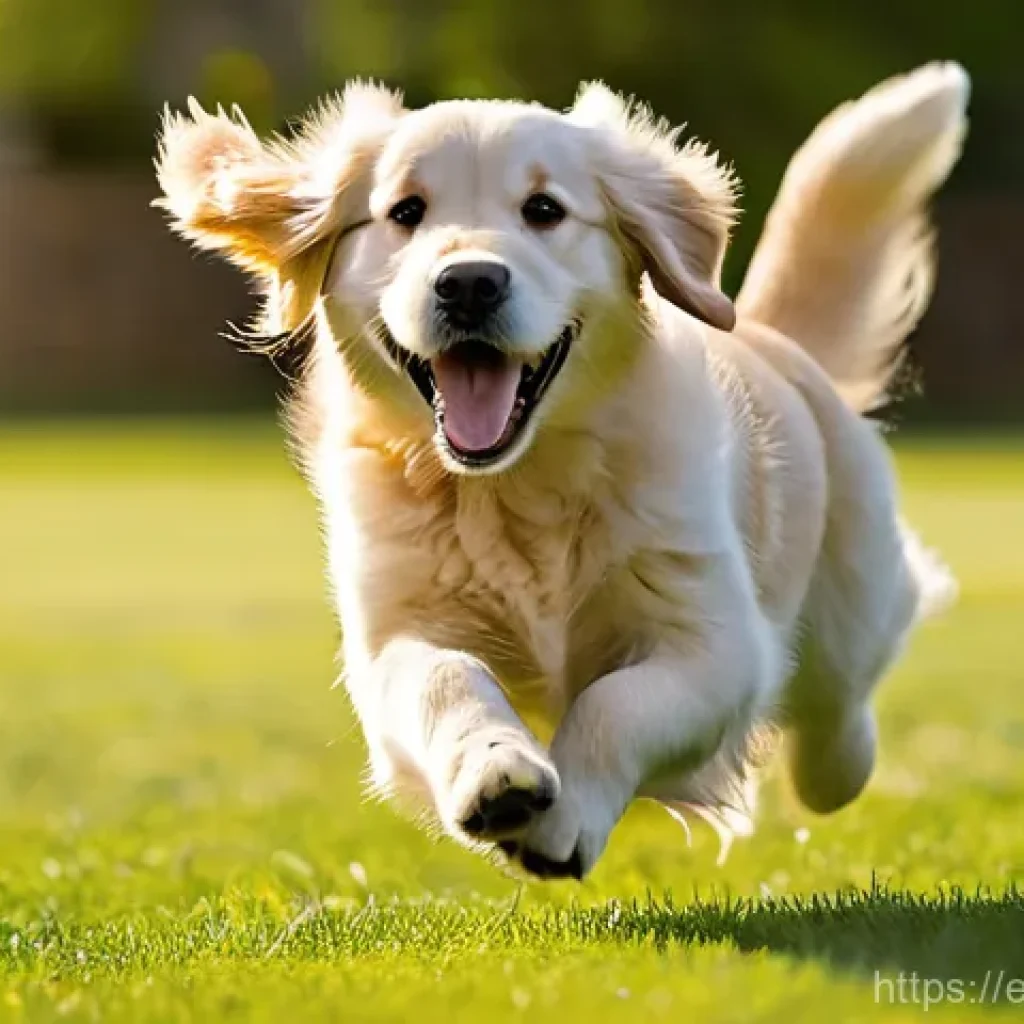
Hey there, fellow dog lovers! Have you ever found yourself gazing at your furry companion, wondering about the unique quirks that make them, well, *them*?
I know I have! Over the years, I’ve had the absolute joy of sharing my life with both spirited female pups and wonderfully goofy male companions. And believe me, the differences between them can be as subtle as a soft sigh or as dramatic as a full-blown zoomies session across the living room.
We often hear generalizations tossed around, like “boys are more mischievous” or “girls are always calmer,” but what’s the real story when it comes to male versus female dogs?
It’s not just about what we see on the surface; there are fascinating nuances in their behavior, health, and even how they interact with us and the world around them.
In this age of personalized pet care, where we’re delving into everything from customized nutrition plans to advanced behavioral science to truly understand our four-legged family members, it’s more important than ever to look beyond old stereotypes.
Whether you’re considering welcoming a new dog into your home or simply want to deepen your bond with your current best friend, understanding these gender-based traits can make a huge difference.
Recent studies, like the massive Dog Aging Project, are even giving us scientific data on how sex, size, and age truly shape canine traits, helping us move past mere anecdotal evidence.
So, if you’ve ever pondered if your male dog’s boundless energy or your female dog’s independent streak is truly a “gender thing,” you’re in for some eye-opening insights.
I’ve personally seen firsthand how these traits can manifest, and trust me, it’s always an adventure to observe. Let’s dive deeper and get the full picture, shall we?
Unpacking Play Styles and Energy Levels
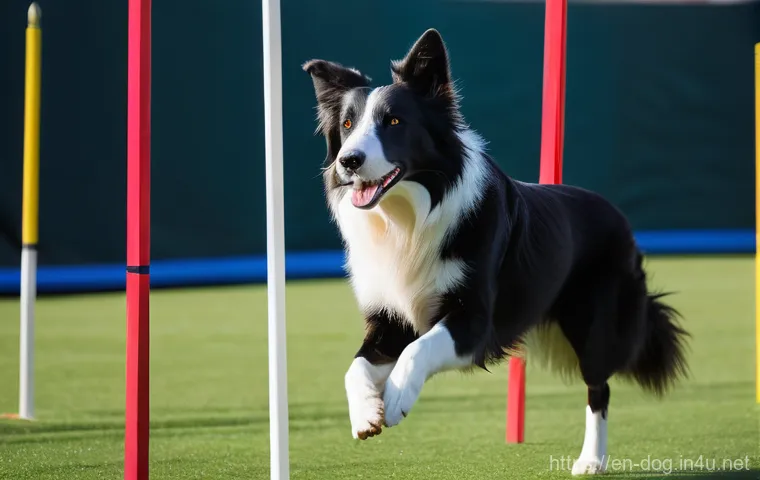
One of the first things you might notice, especially if you’ve had both male and female dogs, is how differently they approach playtime. My male Labrador, Buster, was a perpetual puppy; his energy seemed limitless, and he’d initiate play with anyone, anytime, often with a boisterous play-bow and a wagging tail that could clear a coffee table. It wasn’t uncommon for him to want to wrestle and tumble with every dog he met at the park, even those twice his size! This kind of exuberant, often rough-and-tumble play, with a focus on chasing and physical interaction, is something I’ve consistently observed in many male dogs. They often retain that puppy-like enthusiasm well into adulthood, ready to go at a moment’s notice.
The Boisterous Boys
Male dogs often possess higher energy levels, making them more inclined toward adventurous and explorative behavior. They might be the ones scaling the sofa to get a better view or constantly sniffing out new smells on a walk, always eager for the next big adventure. From my own experience, male dogs often respond well to energetic, engaging training methods because of their playful nature and eagerness to please. I remember trying to teach Buster a new trick, and while he was easily distracted by a stray leaf, his sheer joy in the game meant he’d keep coming back, tail wagging, until he got it right (or at least close enough for a treat!). Some studies even suggest that male puppies prefer playing with female littermates, often initiating play with gentle invitations and showing more self-restraint to keep the play going. This suggests an underlying social intelligence that prioritizes connection over pure dominance in play.
The Discerning Damsels
Female dogs, on the other hand, can be a little more nuanced in their play. My female Spaniel, Daisy, was certainly playful, but her approach was often more refined. She’d enjoy a good game of fetch but preferred a controlled chase to an all-out wrestling match. She was also more selective about her playmates, choosing dogs she knew well and with whom she had an established bond. Females may be less inclined to engage in rough play and can sometimes be more sensitive to their environment. I’ve seen some female dogs be a bit moodier or more reserved, especially with strangers, but once they bond with you, that affection is unwavering. They can also initiate play, but they might be more selective, perhaps as a natural strategy to reduce conflict within a group. This isn’t to say they aren’t energetic, but their energy might manifest as more focused activities, like excelling in agility courses, rather than constant, boundless romping. It’s all about finding what truly motivates them!
Navigating Social Cues and Pack Dynamics
Understanding how male and female dogs interact within a social setting, whether with other dogs or with their human family, is truly fascinating. It’s not just about who barks loudest, but the subtle cues and established dynamics that shape their relationships. I’ve had households with multiple dogs, and the interactions between them were always a masterclass in canine communication. The way they position themselves, the little glances, the gentle nudges – it all tells a story. While many believe that hierarchy is strictly enforced, modern understanding of dog social structure is more about fluid relationships and communication than rigid dominance, though sex can certainly influence these interactions.
The Social Architects
Male dogs often exhibit a stronger inclination toward social play and may be more overtly interested in interactions with other dogs, especially intact males who are driven by hormonal influences. They might be the ones who immediately rush to greet a new dog at the park, eager to engage in a good sniff-and-wrestle session. In multi-dog households, male dogs sometimes appear more concerned with establishing a pecking order, though this isn’t always about aggression, but rather defining their comfort zone and roles. However, it’s also true that intact males can display more dominant and aggressive tendencies as they mature, particularly towards other male dogs. My male dog, despite being generally friendly, had certain male dogs he just didn’t “click” with, and I learned to give them space. Spaying or neutering can significantly reduce some of these hormone-driven behaviors, making for a calmer companion.
The Cooperative Communicators
Female dogs, from what I’ve observed and what research suggests, tend to be more inclined towards interspecific social interactions with humans, excelling in tasks that require cooperative skills. They might be more attuned to your moods, picking up on subtle cues you don’t even realize you’re giving. This isn’t to say they don’t enjoy other dogs, but their social circle might be more carefully curated. Some studies have even found that females are superior in focusing on single social and physical stimuli. I’ve noticed my female dogs are often the ones who will patiently wait for me to finish a task, then gently nudge my hand for attention, rather than demanding it loudly. While there’s a stereotype about “female dog aggression,” current understanding suggests that aggression is complex and rooted in many factors beyond just gender. However, if there are conflicts in a multi-female household, they can sometimes be more intense, which is something to consider if you’re thinking of adding a second dog of the same sex.
The Nuances of Trainability and Independence
When it comes to training, the age-old question of whether male or female dogs are “easier” often comes up. In my years of working with different pups, I’ve come to realize that while generalizations exist, individual personality, breed, and the trainer’s approach are paramount. However, there are some interesting tendencies linked to gender that can shape how you might approach training your furry friend. It’s less about one being inherently smarter and more about different learning styles and motivations.
Learning Styles of the Lads
Male dogs, with their often playful and eager-to-please nature, can be incredibly fun to train. They might be highly motivated by food or toys, making reward-based training a breeze. However, their boundless energy and tendency for distraction, especially for intact males sniffing out a potential mate, can make focusing a challenge. I remember trying to teach my male Beagle, Max, to “stay” in the park. Every rustle in the bushes, every distant dog bark, was a monumental distraction! It required shorter, more engaging sessions and really high-value treats to keep him on track. Studies indicate that while they might take longer to mature, once a male dog is focused, they can excel. They may even show a greater flexibility in resorting to particular navigation strategies in cognitive tasks.
The Focus of the Females
Female dogs are often perceived as maturing faster both physically and mentally, which some believe makes them quicker to grasp training concepts. They may exhibit greater focus and attentiveness during training sessions. My female Border Collie, Skye, was incredibly sharp; she seemed to anticipate what I wanted before I even asked, almost like she was reading my mind. This isn’t to say she was a robot – she certainly had her stubborn moments! But her inherent desire to work with me made her a fantastic student. Some research even suggests females perform better in tasks requiring focus and memory. However, they can also be more independent and may require a gentler, more patient approach. Their mood can also be influenced by heat cycles if they are unspayed, leading to periods of nervousness, restlessness, or irritability, which can temporarily impact trainability.
Health Spotlights: What to Watch For
Beyond personality and behavior, there are some pretty clear-cut health differences between male and female dogs, especially when we talk about intact (unspayed or unneutered) animals. As a pet parent, keeping an eye on these gender-specific health considerations is super important for ensuring our furry friends live long, happy lives. While both sexes need proper care, diet, and exercise, there are certain conditions that tend to show up more in one gender than the other. I’ve had friends who faced challenges with their pets, and understanding these differences helped them act quickly and get the right veterinary care.
Male Health Matters
For male dogs, if they aren’t neutered, the big concerns are testicular cancer and prostate problems. These can range from benign prostatic hyperplasia (an enlarged prostate) to more serious infections. Neutering significantly reduces the risk of these issues, which is a major reason why many vets recommend the procedure. Males are also often larger and heavier than females of the same breed, which, while giving them a robust appearance, can sometimes predispose them to orthopedic problems like hip dysplasia or cruciate ligament tears, or even inherited heart diseases like dilated cardiomyopathy in certain large breeds. I remember one of my friend’s male Great Danes developed joint issues in his later years, and we realized how much his size played a role in that. Staying active but not overdoing it, along with a good diet, becomes even more crucial for these bigger boys.
Female Wellness Watch
Unspayed female dogs face their own unique set of health risks. The most common and serious include mammary tumors (breast cancer), uterine infections (pyometra), and other reproductive cancers. Pyometra, in particular, can be life-threatening and often requires emergency surgery. Spaying eliminates the risk of these conditions entirely. My first female dog, a beautiful German Shepherd, was spayed early, and it gave me immense peace of mind knowing I was protecting her from these common ailments. While females may be less prone to certain sudden causes of death like bloat (more common in large breed males), they can still be susceptible to orthopedic problems, with some studies suggesting certain conditions like hip dysplasia are more prevalent in females across specific breeds. It’s a gentle reminder that prevention and regular vet check-ups are key for all our dogs, regardless of gender.
| Trait/Condition | Male Dog Tendencies | Female Dog Tendencies |
|---|---|---|
| Energy/Play Style | Often more boisterous, playful, and energetic; prone to rough-and-tumble play. May retain puppy-like enthusiasm longer. | Can be playful but often more selective and nuanced in play; may prefer focused activities over constant romping. |
| Affection | Often described as “velcro dogs,” openly exuberant, and universally affectionate within the household; eager to please. | Can form deeper, more selective bonds with one person; affection may be more subtle, expressed through proximity and specific moments. |
| Trainability | Can be eager to please and highly food/toy motivated, but also more distractible and slower to mature. | Often mature faster, more focused, and attentive, potentially making them easier to house train and grasp concepts. |
| Territorial Marking | More prone to urine marking, especially if intact, to claim territory and communicate. | Can also mark territory, even when spayed, often due to anxiety or presence of other animals, but generally less frequent than males. |
| Health Risks (Intact) | Testicular cancer, prostate problems, higher risk of some heart and joint issues due to larger size. | Mammary tumors, uterine infections (pyometra), reproductive cancers; can also face orthopedic issues. |
Connecting with Our Canine Companions: Affection Styles
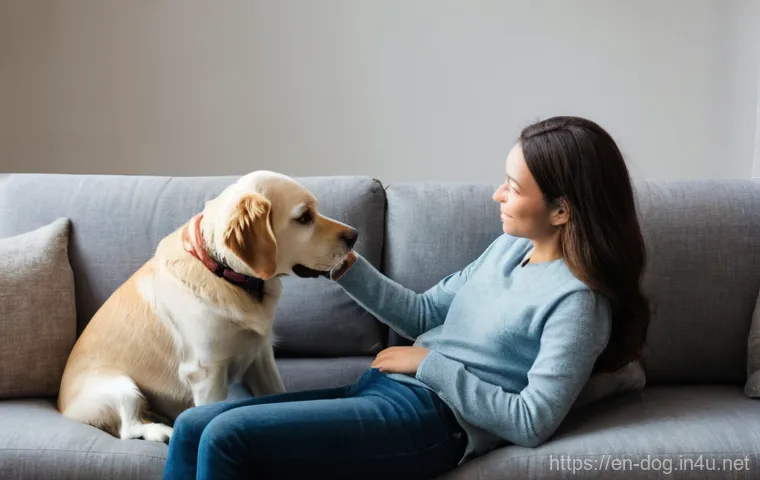
When it comes to showing affection, both male and female dogs are absolutely capable of showering us with love, but how they express it can feel distinctly different. It’s like comparing a big, boisterous hug to a quiet, knowing glance – both are deeply loving, just expressed in their own unique ways. I’ve been fortunate enough to experience both, and I can tell you, each style of canine affection is incredibly rewarding in its own right. It really deepens your bond when you start to “speak” their specific love language.
The “Velcro” Boys
Many male dogs are often affectionately dubbed “velcro dogs” because of their tendency to stick close to their humans. They might follow you from room to room, settle at your feet the moment you sit down, or lean against you for constant contact. This overt display of affection, often combined with a playful, goofy demeanor, can make them seem incredibly “in love” with their people. My male Golden Retriever, Charlie, was a prime example. If I moved, he moved. If I was on the sofa, his head was in my lap. He just loved being physically close and sought out cuddles constantly. This eager-to-please nature means they often show their affection universally within the household, distributing their love quite broadly. It’s a wonderful, comforting presence to have, knowing your dog always wants to be right there with you.
The Discerning Damsels’ Devotion
Female dogs, while equally loving, often express their affection in a more nuanced, sometimes selective way. They might form incredibly deep, loyal bonds with a single individual, showing their devotion through subtle behaviors rather than constant physical demands. They might be the ones who maintain protective watchfulness, stay closer during walks, or choose specific, quiet moments for a head nudge or a gentle lick. I’ve found that my female dogs often seem to “read” my emotions, offering a comforting presence when I’m feeling down, without necessarily clambering all over me. They might prefer to bond on their own terms, asserting their independence once they’ve had enough petting. This isn’t a sign of less love, but rather a different, perhaps more mature, way of showing it. It’s a deep, soulful connection that speaks volumes without needing constant fanfare. Understanding this difference helps us appreciate the unique ways each dog tells us they care.
Territorial Tendencies and Homebody Habits
Now, let’s talk about territory! This is an area where male and female dogs can show some distinct behaviors, often driven by instinct and hormones. Every dog wants to feel secure in their space, but how they go about establishing and defending that space can differ. I’ve seen this play out in my own home and with my clients’ dogs, and it’s always a good reminder that our furry companions are still very much in tune with their ancient instincts, even in our modern homes.
Marking Their Domains
When we think of territorial marking, most people immediately picture a male dog lifting his leg against a fire hydrant. And yes, intact male dogs are indeed much more likely to urine mark, especially to broadcast their presence and reproductive status to other dogs. They’re essentially leaving a “pee-mail” for any passing canines, letting them know “I was here!” or “This is my spot!” I remember having to be extra vigilant with my intact male pup on walks; every bush, every lamp post was a potential message board. Neutering can significantly reduce this behavior, sometimes by up to 80%, though it’s not a guaranteed cure if the habit is deeply ingrained. However, it’s important to remember that marking isn’t just about intact males; anxiety, new residents (human or animal), or even changes in routine can trigger marking behavior in any dog.
Female Fortresses
Surprisingly to some, female dogs also engage in territorial marking, even when spayed! It might not always look like the classic leg-lift, but they will certainly deposit their scent to communicate. Often, female marking can be linked to anxiety or stress, particularly in multi-pet households, or when new animals or family members are introduced. For instance, if a new baby arrives or another pet joins the family, a female dog might mark to comfort herself or assert her claim to her space. Unspayed females might also mark during their heat cycles to signal their availability for mating. While my female dogs haven’t been as persistent about marking outdoors as my males, I’ve definitely observed them becoming more “particular” about their indoor spaces if new furniture arrived or if a strange dog visited. Understanding *why* they mark – whether it’s hormonal communication or an emotional response – is the first step to addressing it.
Beyond the Stereotypes: Individual Personalities
While we’ve delved into some fascinating general tendencies between male and female dogs, it’s absolutely crucial to remember that these are just that – tendencies. Every single dog, regardless of their gender, is a unique individual with their own quirks, personalities, and histories. Relying solely on gender stereotypes when choosing a dog, or even just interacting with your current furry family member, can mean missing out on the incredible individuality that makes each dog so special. I’ve met laid-back male dogs and fiercely independent females, proving that the spectrum of canine personalities is vast and wonderful.
Nature Meets Nurture
The truth is, a dog’s personality is a complex tapestry woven from many threads. While biological factors and hormones play a role, especially if a dog is intact, their upbringing, socialization, training, and environment are equally, if not more, influential. A well-trained male, for example, can be far calmer and more focused than an under-socialized female. It’s like us humans – we have biological predispositions, but our life experiences shape who we become. I’ve found that consistent positive reinforcement training, early socialization with a variety of people and other dogs, and a loving, stable home environment are far more powerful determinants of a dog’s behavior than their sex.
The Heart of the Matter
Ultimately, when you’re welcoming a new dog into your home, whether you choose a male or a female, the most important thing is to connect with *that* individual dog. Spend time with them, observe their unique temperament, and consider how their energy levels and personality might fit with your lifestyle. Don’t let old wives’ tales about one gender being “better” or “easier” sway you too much. I’ve formed incredible bonds with both male and female dogs, each bringing their own distinct joy and challenges to my life. The love, loyalty, and companionship they offer are truly boundless, no matter their gender. It’s about finding that special connection, nurturing it, and celebrating the wonderful individual your dog is.
글을 마치며
So there you have it, fellow dog parents! While exploring the fascinating general tendencies of male and female dogs gives us some wonderful insights, what truly shines through is the incredible individuality of each furry friend. My journey with dogs has taught me that the deepest connections come from understanding and celebrating their unique spirit. Let’s keep nurturing those bonds, cherishing every wag and purr, and remember that an open heart is the best guide to a happy canine companion.
알아두면 쓸모 있는 정보
1. Always consider individual temperament over broad gender stereotypes. Spend time interacting with a dog before making assumptions based on whether they are male or female. Every wagging tail tells a unique story, and getting to know that story is the real adventure.
2. Early and consistent socialization is key for *all* dogs, regardless of gender. Expose your puppy to various sights, sounds, people, and friendly dogs to help them develop into well-adjusted adults, building confidence and reducing anxiety in new situations.
3. Spaying or neutering your dog offers significant health and behavioral benefits. Beyond population control, it dramatically reduces the risks of certain cancers and can temper hormone-driven behaviors like marking and aggression, making for a healthier, happier pet.
4. Tailor your training approach to your dog’s unique learning style. Some dogs thrive on high-energy games, others prefer calm, focused sessions. Observing what motivates your dog – be it treats, toys, or praise – will make training more effective and enjoyable for both of you.
5. Regular veterinary check-ups are non-negotiable. Discuss gender-specific health concerns with your vet, especially if your dog is intact. Proactive care and early detection are your best tools for ensuring your beloved companion enjoys a long and vibrant life by your side, allowing for precious extra years of snuggles.
중요 사항 정리
Ultimately, while male and female dogs may exhibit certain general tendencies in play, social interaction, trainability, and health, these are mere starting points for understanding. What truly defines your canine companion is their individual personality, heavily influenced by their upbringing, environment, and the love you provide. Prioritizing early socialization, consistent training, and proactive health care, including considering spaying or neutering, will foster a well-adjusted and joyful dog. Embrace the unique bond you share, celebrate their quirks, and always remember that a dog’s heart, not their gender, is what truly makes them special. That’s the real secret to a lifelong, fulfilling friendship.
Frequently Asked Questions (FAQ) 📖
Q: Is it really true that male dogs are always more rambunctious and female dogs are naturally calmer, or are those just old wives’ tales?
A: Oh, this is such a classic question, and one I’ve pondered myself many times while watching my own diverse pack! While there are definitely some general tendencies, I’ve learned that painting all male dogs as boisterous goofballs and all female dogs as serene ladies is a huge oversimplification.
In my personal experience, and what I’ve observed in countless dogs over the years, a dog’s individual personality, breed, and even their early experiences often play a much bigger role than their gender alone.
Yes, intact male dogs might have a stronger urge to roam or mark territory due to hormones, which can manifest as a more “rambunctious” energy if not managed through training and exercise.
But I’ve also met some incredibly mellow male pups who just want to cuddle! Conversely, some of my female dogs, especially certain breeds, have been absolute firecrackers with boundless energy and a mischievous streak.
What often gets overlooked is how spaying or neutering can dramatically influence these behaviors. A neutered male dog, for instance, often becomes much calmer and less driven by hormonal instincts, just as a spayed female might be less prone to mood swings associated with her heat cycles.
So, while generalizations can give us a starting point, always remember that every dog is an individual with their own unique spirit. It’s truly about getting to know them, not just their gender!
Q: Beyond the obvious, are there any significant health or physical differences between male and female dogs that I should be aware of as an owner?
A: Absolutely! While we tend to focus on behavioral differences, there are some really important health and physical distinctions between male and female dogs that every pet parent should be aware of.
For females, the big one is often related to their reproductive system. If not spayed, they will experience heat cycles, which can be messy and attract unwanted male attention, and they face a higher risk of mammary tumors and pyometra (a serious uterine infection) later in life.
Spaying significantly reduces these risks. On the male side, intact males are more prone to testicular cancer and prostate issues, which neutering can prevent.
I’ve personally known a few older intact males who developed benign prostatic hyperplasia, making urination difficult. Beyond reproductive health, I’ve noticed subtle differences in body composition – male dogs often tend to be a bit larger and more muscular for their breed, while females might be slightly leaner or more agile.
There can also be gender-specific predispositions to certain conditions within breeds; for example, some autoimmune diseases show a higher prevalence in one sex over the other in specific lines.
It’s why regular vet check-ups are so crucial, tailored to your dog’s sex and whether they’re spayed or neutered, to keep an eye on these potential issues.
Q: Considering these differences, does it really matter if I choose a male or female dog for my family, especially if I’m a first-time owner or have kids?
A: This is such a thoughtful question, and it’s fantastic that you’re considering all angles before bringing a new furry family member home! From my own experience, and having helped many friends and family choose their perfect pups, I’d say it matters less about the dog’s gender and more about the individual dog’s temperament, breed characteristics, and how well their personality meshes with your family’s lifestyle.
For first-time owners or families with young children, what you truly want is a dog with a stable, predictable temperament, good socialization, and a manageable energy level – and you can find that in both male and female dogs.
Some people prefer females, believing them to be more nurturing or easier to train, but I’ve personally seen male dogs who are incredibly patient and gentle with kids.
Others gravitate towards males for their often more overtly affectionate nature. If you’re considering an intact dog, you’ll need to factor in managing heat cycles for females or the potential for marking and roaming in males, which can be a bigger commitment for a first-timer.
Ultimately, my best advice is to spend time with the specific dog you’re considering. Observe their interactions, ask about their background, and trust your gut feeling.
A good rescue organization or reputable breeder will be able to guide you toward a pup whose individual personality, regardless of gender, will be the perfect fit for your family.