A Labrador is easiest to train with short, reward-based sessions, clear household rules, and regular outlets for exercise and mental enrichment. Start at home with house training, name response, and calm settling, then add professional support if safety concerns or persistent behavior problems appear.
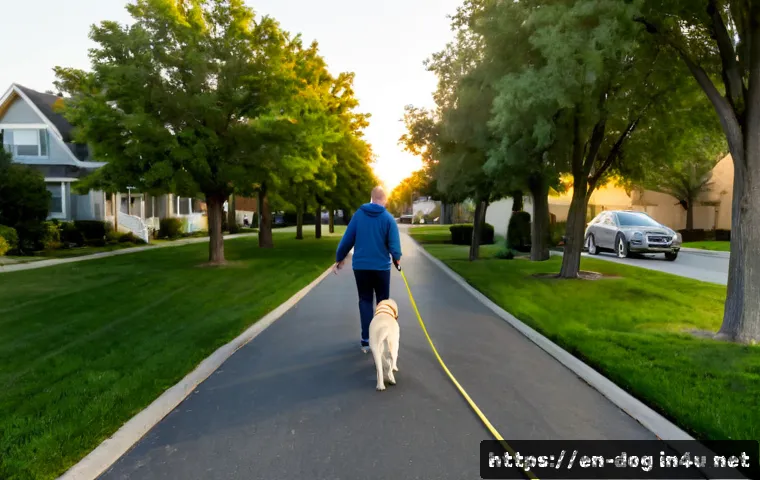
For many owners, a simple daily plan and basic equipment are enough to build early skills. Group puppy classes can add structured socialization and practice around distractions, while private dog training may be a better fit for specific issues such as pulling, jumping, or unreliable recall.
The right choice depends on your dog’s age, temperament, health, previous training, and your ability to practice consistently. Avoid punishment-based reactions and focus on preventing unwanted behavior while teaching a better alternative.
At a Glance
- Begin with predictable daily routines, clear cues, and short training sessions.
- Reward wanted behavior immediately with treats, toys, praise, or access to an activity your Labrador enjoys.
- Seek veterinary and qualified behavior-professional guidance for pain signs, sudden behavior changes, fear, or escalating aggression.
| Training Option | Best Use Case | Owner Time Commitment | Typical Pricing Factors | Possible Limitations |
|---|---|---|---|---|
| DIY home training | Building everyday routines and basic cues | Frequent practice during meals, walks, and home life | Training treats, leash, crate, enrichment tools, and learning resources | Progress may stall if household rules or practice are inconsistent |
| Group puppy class | Early managed socialization and practicing around distractions | Class attendance plus practice between sessions | Class format, trainer experience, group size, location, and follow-up support | May not address an individual behavior concern in depth |
| Private dog training | Targeted help with pulling, jumping, recall, or home routines | Lessons plus daily follow-through at home | Trainer qualifications, lesson format, travel, assessment needs, and support options | It still requires consistent practice from the household |
| Behavior consultation | Fear, escalating aggression, sudden changes, or complex concerns | Careful management and an individualized plan | Professional background, case complexity, veterinary involvement, and follow-up | Not a substitute for addressing possible medical discomfort |
Start With a Simple Daily Training Plan
A Labrador training plan works best when it fits into normal life rather than becoming one long daily drill. Consistency matters more than complexity. Decide what your dog is allowed to do, what cues everyone will use, and where your dog should rest, eat, and go outside. A young or easily distracted Labrador usually learns more from several brief, successful repetitions than from a long session that ends in frustration.
The First Three Priorities: House Training, Name Response, and Calm Settling
For a puppy, start by making outdoor toilet trips predictable and supervising closely indoors. Reward the behavior you want as it happens. For name response, say the name once and reward your dog for turning toward you. This simple habit becomes useful before teaching recall, leash walking, or greetings.
Calm settling is equally valuable for an energetic, social breed. Reward your Labrador for resting quietly on a bed, mat, or other designated place. This gives you a practical alternative to following people, jumping on visitors, or becoming overexcited during household activity.
How to Structure Short Sessions Around Meals, Walks, and Rest
Use moments that already occur each day. Ask for a sit before clipping on the leash, reward attention during a walk, and practice a short recall game in a safe setting before a meal. End while your dog is still engaged. After activity, allow time to rest; a Labrador does not need constant stimulation to learn well.
Keep distractions low when introducing a new cue. Once the dog understands it at home, gradually practice in a different room, yard, or calm outdoor area. If performance drops, make the situation easier instead of repeating the cue louder or more often.
Rewards That Motivate Without Overfeeding
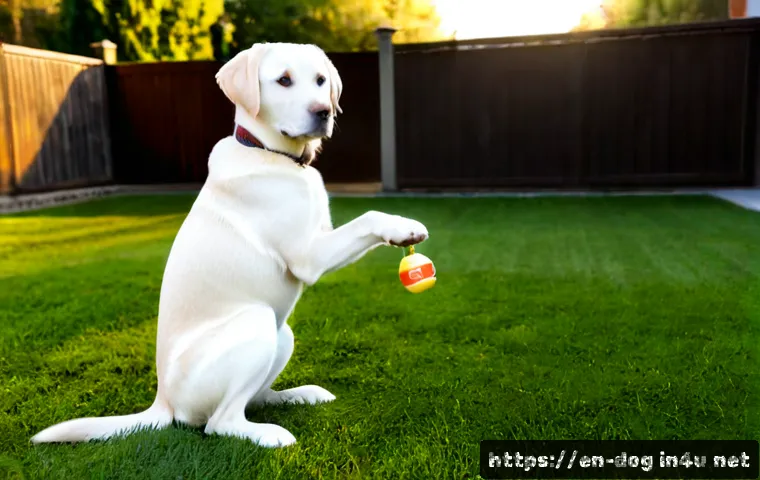
Reward-based training can use food, toys, praise, or access to a desired activity. A dog that enjoys going outside may earn the door opening after waiting calmly. A dog that loves retrieving may earn a brief game after responding to a cue. Use part of regular food where appropriate, and choose rewards based on what holds your dog’s attention in that moment.
Choose the Right Training Support for Your Labrador
Home training, puppy classes, and private coaching can all be useful. The best option is the one that matches the problem, your schedule, and your ability to practice between sessions. A class or trainer should support clear communication and humane, reward-based learning rather than relying on fear or punishment.
Home Training vs. Group Classes vs. Private Lessons
Home training is often a sensible starting point for house routines, name response, settling, basic cues, and supervised manners. It works especially well when every person in the home follows the same rules.
Group puppy training classes may offer useful practice around people, places, surfaces, and appropriate dogs when socialization is carefully managed. They can be a practical choice for owners who want guidance and a regular reason to practice. A group setting is not automatically right for every dog, particularly one that is highly fearful or overwhelmed.
Private dog trainer sessions are worth considering when a behavior is specific to your home, walks, or family routine. They can focus on the exact setup that triggers pulling, jumping, scavenging, or unreliable recall. For fear, sudden changes, pain signs, or escalating aggression, include veterinary guidance and seek a qualified behavior professional.
What Affects the Cost of Dog Training Services
Dog training cost can vary by location, format, trainer experience, class size, travel requirements, behavior complexity, and the amount of follow-up support included. Equipment can also affect the overall budget, including a properly fitted leash, crate, food rewards, and enrichment tools. Compare what is included rather than assuming one format provides more value simply because it costs more.
Questions to Ask Before Hiring a Trainer or Enrolling in a Class
Ask how the trainer teaches new behaviors and handles unwanted behavior. Ask whether the program provides practice instructions, whether family members can participate, and how distractions and dog-to-dog interactions are managed. Confirm the class schedule, cancellation terms, vaccination requirements where applicable, and whether the environment suits your dog’s current comfort level.
Teach the Core Skills That Matter Most
Prioritize skills that improve safety and make ordinary life easier. A Labrador does not need a long list of tricks before learning to come when called, walk with a loose leash, release an item, and settle calmly.
Recall, Loose-Leash Walking, Sit, Stay, Leave It, and Drop It
Build recall by calling your Labrador in a low-distraction setting and rewarding the arrival immediately. Avoid calling your dog only when something enjoyable is about to end. For loose-leash walking, reward the position and attention you want before the leash becomes tight. If pulling begins, reduce the difficulty by creating more distance from the distraction or choosing a quieter practice area.
Teach leave it as a cue to move attention away from an item, and teach drop it as an exchange. These are useful alternatives to chasing a dog that has picked up something inappropriate. Keep the training calm and make releasing an item worthwhile.
Preventing Jumping on Guests and Overexcited Greetings
Jumping is often reinforced when it gains attention, even if that attention is not intended as a reward. Set up greetings before visitors arrive when possible. Use a leash, gate, crate, or separate resting space for management, then reward four paws on the floor and calm behavior. Ask guests to avoid rewarding jumping with attention.
Crate Training and Supervised Freedom at Home
A crate can be a useful resting and management tool when introduced positively. Pair it with calm meals, rewards, and rest rather than using it as punishment. Supervised freedom should expand gradually as your Labrador shows reliable house-training habits and safe chewing choices. When you cannot supervise, manage the environment to prevent rehearsal of chewing, scavenging, or indoor accidents.
Avoid the Most Common Training Mistakes
Many training problems are not caused by a stubborn dog. They often come from unclear rules, rewards that arrive too late, or an environment that asks too much before the dog has learned the skill.
Inconsistent Cues and Accidental Rewards for Unwanted Behavior
Choose one cue for each behavior and use it consistently. If one person says “down” for lying down and another uses it to mean get off the sofa, the dog receives mixed information. Also look for accidental rewards: opening the door when a dog pulls, giving attention after jumping, or allowing scavenging because tempting items were left accessible.

Why Punishment Can Worsen Fear or Frustration
Harsh reactions can create fear, frustration, or confusion, especially when a dog does not understand the alternative behavior. Instead, interrupt problems through supervision and setup, then teach a clear replacement. For example, reward settling on a mat instead of repeatedly correcting a dog for moving toward guests.
Managing Exercise, Chewing, and Enrichment Without Creating Overstimulation
Labradors generally benefit from regular exercise and mental enrichment, but more activity is not always the full answer to unwanted behavior. Young dogs should not be pushed into inappropriate exercise, and constant high-arousal activity can make settling harder for some dogs. Offer a balanced routine of rest, age-appropriate activity, safe chewing options, training games, and calm enrichment.
Adjust the Plan for Your Dog’s Age and Behavior
Your Labrador’s age, health, history, and environment affect the training plan. Do not assume that the same schedule or class setting is appropriate for every dog.
Puppy Routines and Safe Socialization
Puppies benefit from early, carefully managed positive exposure to people, places, surfaces, and appropriate dogs. The goal is not to force interaction with everything. Let the puppy observe at a comfortable distance, pair the experience with something positive, and avoid overwhelming situations. Confirm local class requirements and discuss health-related questions with a veterinarian.
Adolescent Labs: Pulling, Distraction, and Impulse Control
Adolescent Labradors may become more distracted and physically stronger on leash. Return to simple practice in easier environments, reward check-ins, and manage distance from tempting distractions. Practice waiting briefly before meals, doors, toys, and greetings to build impulse control without turning every interaction into a test.
Adult or Rescue Dogs: Building Trust and Changing Established Habits
An adult or rescue Labrador may need time to understand a new routine. Begin with predictable management and small, repeatable successes. Avoid assuming a past behavior has one cause; chewing, pulling, fear, and scavenging can reflect different needs or circumstances. Sudden changes or signs of discomfort require veterinary attention before treating the issue as only a training problem.
Selection Criteria and Comparison Summary
When Self-Training Is Likely Enough
Self-training is often a reasonable route when your Labrador is safe to handle, you can supervise closely, and the main needs are basic household manners. A consistent routine, a suitable leash and crate setup, food or toy rewards, and regular enrichment may be all you need to make steady progress.
When a Group Class Offers Better Value
A group class may be a good fit if you want structure, help practicing around controlled distractions, and carefully managed socialization opportunities. It can also help first-time owners build the habit of regular practice. Look beyond the timetable: trainer methods, class size, the environment, and individual support all affect value.
When Private Coaching or Behavior Support Is Worth the Added Cost
Private coaching can be useful when the issue happens mainly at home or on walks and needs direct observation. Behavior-focused support is more important when fear, aggression, safety risks, or sudden behavior changes are involved. In those cases, a veterinarian and an appropriately qualified behavior professional can help rule out or address factors that are not solved through basic obedience practice alone.
Selection Criteria and Comparison Summary
Before booking a puppy class, private dog trainer, or behavior consultation, check the following:
- Training method: Does the provider explain how wanted behavior is rewarded and unwanted behavior is managed?
- Class size and setup: Can your Labrador learn without becoming overwhelmed?
- Scheduling: Can you attend consistently and practice between sessions?
- Follow-up support: Are clear home-practice instructions included?
- Fit for the concern: Is this basic training, a home-specific problem, or a safety-related behavior issue?
Compare class size, trainer methods, scheduling, and follow-up support before booking. Check the provider’s official course or service page for current terms, requirements, and what is included.
In Closing
Effective Labrador training is built from everyday repetitions: reward the response you want, keep cues clear, and prevent the habits you do not want practiced. Start with basic routines before adding more difficult distractions. If progress feels uneven, simplify the situation rather than blaming the dog. For concerns involving pain, fear, sudden behavior changes, or escalating aggression, seek appropriate professional guidance.
Useful Things to Know
1. A leash, crate, food rewards, and enrichment tools are management aids, not replacements for training.
2. The same cue should mean the same thing for every person in the household.
3. Socialization should be positive and carefully managed, not forced interaction.
4. Preventing access to tempting items is part of teaching safe behavior.
Important Notes
This guide cannot determine why an individual dog pulls, chews, jumps, scavenges, or reacts fearfully. Age, health, temperament, past learning, home setup, and local program standards all need to be considered. Confirm trainer qualifications, class safety practices, local requirements, and your dog’s individual health needs before choosing a service or equipment.
Frequently Asked Questions
Q1. How long does it take to train a Labrador Retriever?
A1. Training is ongoing rather than a single finished step. Progress depends on the dog’s age, prior learning, health, temperament, environment, and how consistently the household practices. Focus on regular short sessions and gradual increases in distraction instead of expecting every skill to become reliable at once.
Q2. Are puppy training classes worth the cost for a Labrador?
A2. They can be worthwhile when they provide well-managed practice, reward-based instruction, clear home exercises, and positive socialization opportunities. Compare the trainer’s methods, class size, schedule, handling of distractions, and follow-up support before deciding whether the class fits your puppy.
Q3. When should I hire a private dog trainer for pulling, jumping, or recall problems?
A3. Consider private coaching when the behavior is persistent, happens in a specific home or walking situation, or is difficult to address in a group class. Seek veterinary and qualified behavior-professional guidance when there are pain signs, sudden behavior changes, fear, safety concerns, or escalating aggression.