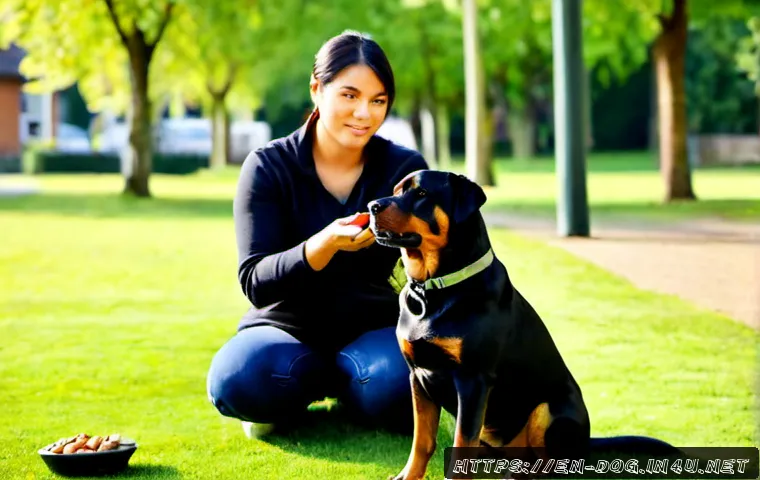
Digestive issues in dogs can be a real challenge for pet owners, often causing discomfort and concern. Whether it’s occasional upset stomachs or more persistent problems, understanding the root causes is key to helping your furry friend feel their best.
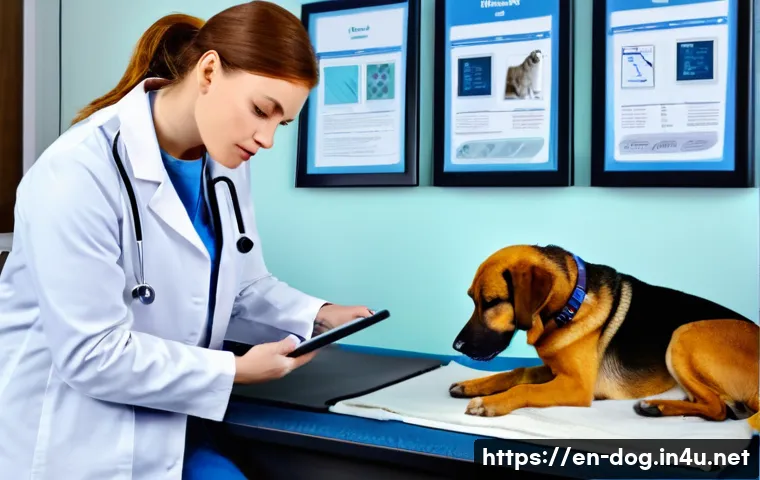
From dietary adjustments to recognizing symptoms early, there are practical steps that can make a big difference. I’ve seen firsthand how simple changes can lead to happier, healthier pups.
Let’s dive into the details and explore effective ways to tackle your dog’s digestive troubles with confidence!
Identifying Common Digestive Symptoms in Dogs
Recognizing Signs of Digestive Discomfort
When your dog isn’t feeling well, they can’t tell you exactly what’s wrong, but their behavior often gives clues. You might notice repeated vomiting, diarrhea, or constipation, which are classic signs that something is off in their digestive system.
Sometimes it’s more subtle, like a loss of appetite, excessive drooling, or lethargy, which can easily be mistaken for general tiredness. Pay close attention to any sudden changes in stool consistency or frequency, as these often indicate irritation or inflammation in the gut.
In my experience, catching these early signs and acting fast can prevent more serious issues down the road.
When to Seek Veterinary Help
Not all digestive issues require a vet visit, but certain symptoms should never be ignored. Persistent vomiting lasting more than 24 hours, blood in stool, or signs of dehydration such as dry gums and sunken eyes are red flags.
If your dog shows signs of severe abdominal pain—whining when touched or a hunched posture—immediate veterinary care is necessary. I once saw a friend’s dog delay vet care for diarrhea, which led to a severe infection.
So, it’s better to err on the side of caution when symptoms persist or worsen.
Understanding the Role of Diet in Digestive Health
Food plays a huge role in how well your dog’s digestive system functions. Sudden changes in diet, low-quality ingredients, or foods that are hard to digest can all lead to upset stomachs.
Dogs with sensitive stomachs often benefit from diets rich in fiber, moderate in fat, and free from common allergens like wheat or soy. I switched my dog’s food to a limited-ingredient formula after noticing frequent bloating and diarrhea, and the difference was almost immediate.
Keeping a consistent feeding schedule and portion size also helps stabilize their digestion.
Natural Remedies and Dietary Adjustments
Incorporating Probiotics and Fiber
Probiotics have become a game changer in managing digestive health for dogs. These friendly bacteria help restore balance in the gut flora, improving nutrient absorption and reducing inflammation.
I started adding a probiotic supplement to my dog’s meals after a bout of diarrhea, and the improvement was noticeable within a week. Along with probiotics, adding soluble fiber sources like pumpkin or sweet potato can soothe the digestive tract and regulate bowel movements, especially in dogs prone to constipation.
Foods to Avoid for Sensitive Stomachs
Certain human foods and dog treats can trigger digestive upset. Common offenders include fatty foods, dairy products, chocolate, and anything heavily processed or spicy.
Even some commercial dog foods with artificial additives or fillers can cause issues. From what I’ve learned, avoiding these triggers and sticking to whole, natural ingredients makes a huge difference in maintaining a healthy gut.
Also, be cautious with table scraps—what might seem like a harmless bite to us can wreak havoc on a dog’s digestive system.
Using Hydration to Support Digestion
Hydration is often overlooked but is vital for digestion. Water helps break down food and move waste through the intestines. Dogs with diarrhea or vomiting are at risk of dehydration, which can complicate their condition.
I always make sure my dog has fresh water available at all times, and during digestive upsets, I sometimes offer ice cubes or diluted broth to encourage drinking.
Proper hydration supports faster recovery and keeps the digestive system functioning smoothly.
Monitoring and Preventing Recurring Digestive Issues
Keeping a Digestive Health Journal
One effective strategy I recommend is maintaining a journal of your dog’s digestive patterns. Track their meals, treats, stool consistency, and any symptoms like vomiting or gas.
This detailed record helps identify triggers and patterns that may not be obvious otherwise. For example, you might discover that a certain treat causes loose stools or that stress during travel leads to digestive upset.
Having this data on hand can also be invaluable during vet visits for a more accurate diagnosis.
Regular Exercise and Its Impact on Digestion
Physical activity isn’t just good for your dog’s muscles and mood—it plays a crucial role in digestive health too. Exercise stimulates intestinal motility, helping food move through the digestive tract efficiently.
I noticed that on days when my dog gets less exercise, she tends to be a bit constipated or bloated. Regular walks and playtime can reduce these problems and improve overall gut function.
Just be mindful not to overexert your dog immediately after meals to avoid discomfort.
Stress Management for Sensitive Dogs
Stress can silently undermine your dog’s digestive health. Changes in environment, loud noises, or separation anxiety can lead to stomach upset or changes in appetite.
I’ve seen nervous dogs develop chronic diarrhea when exposed to stressful situations. Creating a calm, predictable routine and providing a safe space can help reduce this impact.
In some cases, calming supplements or pheromone diffusers have also helped my clients’ dogs manage anxiety-related digestive problems.
Medications and When to Use Them
Over-the-Counter Options and Their Uses
Sometimes mild digestive issues can be managed at home with over-the-counter remedies like antacids, anti-diarrheal medications, or digestive enzymes.
However, it’s crucial to use these only under veterinary guidance because incorrect dosages or prolonged use can cause harm. I’ve found that many dog owners rush to medicate without fully understanding the cause, which can mask symptoms or worsen the problem.
Always consult your vet before administering any medication to your dog.

Prescription Treatments for Severe Cases
For chronic or severe digestive problems such as inflammatory bowel disease or infections, vets may prescribe antibiotics, steroids, or specialized diets.
These treatments are targeted and require careful monitoring. When my own dog was diagnosed with mild colitis, the vet’s tailored medication plan combined with dietary changes brought her back to health.
Adhering strictly to the prescribed regimen and follow-up visits ensures the best outcome.
Risks of Self-Medication and Importance of Veterinary Advice
One thing I cannot stress enough is the danger of self-medicating your dog’s digestive issues. Some human medications are toxic to dogs, and even safe ones can interact poorly with other conditions.
Misdiagnosing digestive problems without professional help can delay treatment of serious illnesses. I always encourage pet owners to seek veterinary advice first, as it saves stress and money in the long run.
Practical Feeding Tips for Sensitive Stomachs
How to Transition Your Dog’s Diet Safely
Switching your dog’s food too quickly can trigger digestive upset. The key is a gradual transition over 7 to 10 days, mixing increasing amounts of the new food with the old.
When I changed my dog’s diet, this slow process helped avoid vomiting or diarrhea. Rapid changes shock the gut and disrupt the microbiome, so patience is essential.
Choosing the Right Food Based on Your Dog’s Needs
Not all dog foods are created equal, especially for pups with digestive sensitivities. Look for formulas with easily digestible proteins like chicken or fish, and limited ingredients to minimize allergens.
Grain-free or hydrolyzed protein diets can also be beneficial. I often recommend consulting your vet or a canine nutritionist to find the best option tailored to your dog’s specific issues and lifestyle.
Meal Frequency and Portion Control
Feeding smaller, more frequent meals rather than one or two large ones can reduce digestive stress and improve nutrient absorption. I switched my dog to three smaller meals daily, which helped reduce bloating and improved her energy levels.
Overfeeding can cause vomiting and diarrhea, so measuring portions carefully is just as important as what you feed.
Common Digestive Disorders and Their Management
Understanding Food Intolerances and Allergies
Food intolerances and allergies often manifest as chronic digestive upset or skin problems. Unlike allergies, intolerances don’t involve the immune system but still cause discomfort.
I’ve encountered many dogs who improved dramatically after eliminating common allergens like beef, dairy, or corn from their diet. Identifying these requires patience and sometimes an elimination diet under vet supervision.
Managing Parasites and Infections
Parasites like worms or bacterial infections are a frequent cause of digestive issues in dogs. Regular fecal exams and deworming are essential preventive measures.
When my dog had a mild parasite infection, a vet-prescribed dewormer cleared it up quickly. Left untreated, these infections can cause chronic diarrhea, weight loss, and poor nutrient absorption.
Chronic Conditions: IBD and Pancreatitis
Chronic digestive diseases such as inflammatory bowel disease (IBD) or pancreatitis require ongoing management. IBD involves inflammation of the gut lining and often needs a combination of medication and diet changes, while pancreatitis is inflammation of the pancreas that can be triggered by fatty foods.
Both conditions can be serious but manageable with the right care. Early diagnosis and strict adherence to treatment plans make a big difference in quality of life.
| Digestive Issue | Common Symptoms | Typical Causes | Recommended Actions |
|---|---|---|---|
| Vomiting | Repeated retching, bile or food in vomit | Diet change, infections, toxins, obstruction | Monitor duration, vet visit if>24 hours |
| Diarrhea | Loose, watery stools, urgency | Parasites, diet, stress, infections | Hydration, probiotics, vet if persistent |
| Constipation | Straining, dry hard stools | Lack of fiber, dehydration, inactivity | Increase fiber, exercise, vet if chronic |
| Gas and Bloating | Abdominal distension, discomfort | Swallowed air, diet, food intolerance | Diet adjustment, smaller meals, vet check |
| Loss of Appetite | Refusal to eat, weight loss | Illness, pain, stress | Monitor closely, vet evaluation recommended |
In Conclusion
Understanding your dog’s digestive health is key to keeping them happy and comfortable. By recognizing symptoms early and making thoughtful dietary and lifestyle adjustments, many digestive problems can be managed or prevented. Always prioritize your dog’s well-being and consult a veterinarian when in doubt. With patience and care, you can support your furry friend’s digestive system for a healthier life.
Useful Tips to Remember
1. Keep a close eye on any changes in your dog’s bathroom habits or appetite as these are often the first signs of digestive trouble.
2. Introduce new foods gradually over a week or more to avoid upsetting your dog’s stomach.
3. Ensure your dog stays well hydrated, especially during bouts of diarrhea or vomiting.
4. Regular exercise helps stimulate digestion and reduce constipation.
5. Avoid feeding your dog fatty, spicy, or processed human foods that can cause digestive upset.
Key Takeaways
Digestive issues in dogs can range from mild to serious, so monitoring symptoms closely is essential. Early intervention with diet adjustments, hydration, and sometimes medication can prevent complications. Always seek professional veterinary advice before starting treatments or supplements. Maintaining a consistent feeding routine, managing stress, and regular exercise play vital roles in supporting your dog’s digestive health and overall well-being.
Frequently Asked Questions (FAQ) 📖
Q: What are the most common signs that my dog is having digestive issues?
A: You might notice symptoms like frequent vomiting, diarrhea, excessive gas, bloating, or a sudden change in appetite. Sometimes dogs show signs of discomfort such as whining, restlessness, or licking their lips repeatedly.
If you see these signs, especially if they persist for more than a day or two, it’s a good idea to check with your vet to figure out what’s going on before it gets worse.
Q: Can dietary changes really help improve my dog’s digestion, and where should I start?
A: Absolutely, diet plays a huge role in your dog’s digestive health. From my experience, switching to a high-quality, easily digestible dog food with limited ingredients can make a noticeable difference.
Introducing probiotics or fiber-rich foods, like pumpkin puree, can also soothe the gut. Just be sure to make changes gradually over a week or two to avoid triggering more upset.
Consulting your vet for personalized advice is always the safest bet.
Q: When should I be worried enough to take my dog to the vet for digestive problems?
A: If your dog is vomiting repeatedly, has bloody diarrhea, shows signs of severe pain, lethargy, or dehydration, don’t wait—seek veterinary care immediately.
Also, if digestive issues last more than 48 hours or come back frequently, it’s important to get a professional evaluation. Early intervention can prevent minor issues from turning into serious health problems, and vets can often recommend treatments that bring quick relief.