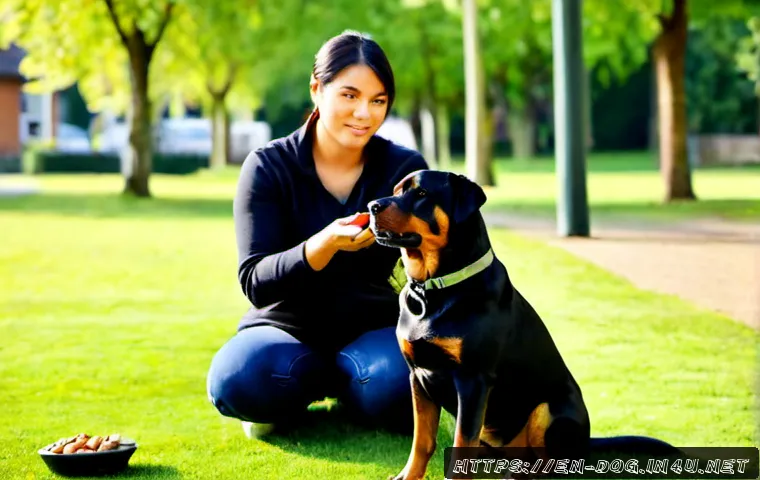
We all adore our furry family members, don’t we? Their wagging tails and sloppy kisses bring so much joy into our lives. But let’s be honest, sometimes those adorable antics can quickly escalate into head-scratching dilemmas that leave us feeling a bit overwhelmed.
You know, that moment when you walk in the door to a shredded couch, or your morning walk turns into an unexpected wrestling match with a squirrel? I’ve been there, and believe me, the frustration is real, but so is the deep love we have for our pups.
It feels like lately, with more of us bringing pets into our homes, especially post-pandemic, we’re seeing a real surge in questions around common behavioral issues – everything from persistent barking and potty training woes to separation anxiety and leash reactivity.
The good news is, understanding your dog’s world, and how to gently guide them, is absolutely achievable. With the right approach, we can turn those challenging moments into powerful bonds and peaceful coexistence.
I’ve spent years diving deep into canine psychology and practical training methods, and I’ve discovered some incredibly effective, compassionate strategies that truly make a difference.
Let’s unpack some game-changing insights and get to the bottom of these behaviors, creating a happier home for everyone!
Decoding Your Dog’s Unique Communication Style
One of the biggest breakthroughs I ever had with my own dogs, and with countless clients, was realizing that a lot of what we interpret as “bad behavior” is simply miscommunication. Our pups are always talking to us, but sometimes we’re just not speaking the same language. I remember spending weeks frustrated with my beagle, Buddy, who would whine incessantly by the door. I thought he needed to go out, but after observing him more closely, I noticed his body language was all about anxiety, not needing a potty break. It turned out he was struggling with a new neighbor’s loud car. Understanding his subtle cues – the slightly lowered head, the tucked tail, the darting eyes – changed everything. It wasn’t about scolding him; it was about acknowledging his fear and giving him a safe space. This empathetic approach is a game-changer for so many common issues, from incessant barking to resource guarding. When you start to truly observe their body language, their vocalizations, and even their daily routines, you unlock a deeper level of understanding. It’s like suddenly finding the secret decoder ring to their inner world, and believe me, it’s incredibly rewarding. This isn’t just about training; it’s about fostering a profound connection built on mutual respect and clarity.
Beyond the Barks: Understanding Canine Vocalizations
It’s so easy to get annoyed by constant barking, isn’t it? I’ve been there, staring at my dog, wondering if they’re trying to tell me the house is on fire or if they just saw a leaf blow by. What I’ve learned is that not all barks are created equal. There’s the “alert bark” that lets you know someone’s at the door, the “play bark” that’s high-pitched and excited, and then there’s the “demand bark” – oh, that one can be a real test of patience! I once had a client whose dog barked non-stop every time she picked up her car keys. We initially thought it was excitement for a walk, but it turned out to be separation anxiety. By carefully listening to the tone, pitch, and context of the barks, we could distinguish between a happy greeting and a cry for help. Teaching your dog an “enough” command can be incredibly effective, but first, you have to figure out what they’re trying to say. Are they bored? Anxious? Seeking attention? Addressing the root cause, rather than just the symptom, is where the magic happens. It’s about being a detective, not just a disciplinarian.
Reading Their Every Move: Body Language Essentials
Our dogs are masters of non-verbal communication, and if we just take the time to learn their language, so many puzzles fall into place. Think about it: a stiff tail wag isn’t the same as a loose, full-body wiggle. A yawn might not mean they’re tired; it could be a sign of stress or appeasement. I’ve found that paying close attention to their eyes, ears, mouth, and tail can give you a complete picture of their emotional state. For instance, when my border collie, Luna, gets that wide-eyed, slightly frozen stare, I know she’s feeling anxious, even if her tail is doing a little wag. It’s subtle, but it’s there. Understanding these nuances helps you intervene *before* a situation escalates. If you see your dog licking their lips excessively in a stressful situation, or turning their head away, those are clear signals they’re uncomfortable. Ignoring these signs can lead to snapping or growling because they feel their earlier, softer warnings weren’t heard. Learning these subtle cues not only prevents problems but deepens your bond immensely, allowing you to respond with empathy and understanding.
Transforming Leash Struggles into Joyful Strolls
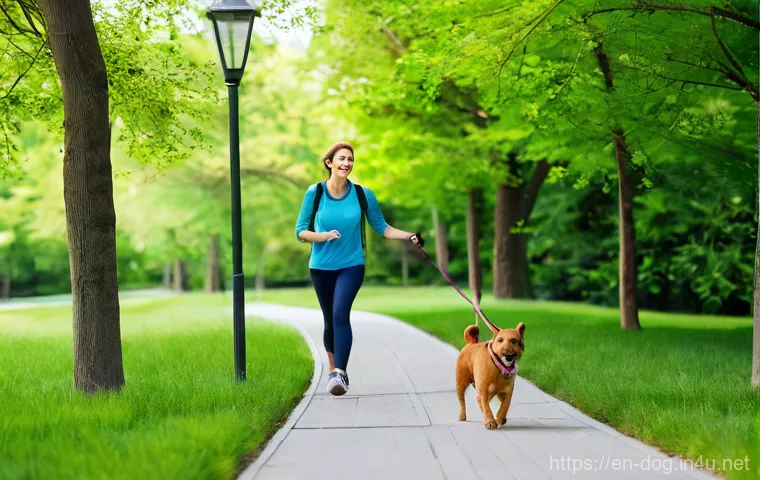
Oh, the joys of a walk with your dog! Or, as many of us experience, the utter chaos. I remember when every walk with my energetic terrier mix felt like an arm-wrestling match. My shoulder would ache, my patience would wear thin, and what was supposed to be a relaxing outing turned into a stressful ordeal. It felt like I’d tried everything – different leashes, harnesses, even talking to him like he was a tiny human who understood my frustration. What I finally realized, through trial and error and a lot of reading, was that I was focusing on the *pulling* instead of the *why*. Was he over-stimulated? Was he not getting enough mental exercise before our walks? Or was he simply never taught what a loose leash felt like? It turns out, it was a combination of things. Once I shifted my approach from trying to physically overpower him to teaching him calmly and consistently what I wanted, our walks became a highlight of our day. It’s a journey, for sure, but seeing your dog happily trotting beside you, rather than dragging you down the street, is truly priceless.
Mastering the Loose Leash: Techniques That Actually Work
For so long, I thought loose-leash walking was some mythical feat only achievable by professional trainers. But after years of working with various breeds and temperaments, I’ve cracked the code on some simple, effective techniques that make a huge difference. The key, I’ve found, is consistency and positive reinforcement. Instead of yanking the leash when your dog pulls, try the “stop and go” method. The moment they pull, you stop dead in your tracks. Your dog will eventually look back at you, confused. When the leash slackens, even for a second, you praise and reward them, then start walking again. This teaches them that pulling gets them nowhere, but a loose leash keeps the adventure going. Another brilliant trick is changing directions frequently. If your dog is pulling ahead, suddenly turn the other way. They’ll have to pay attention to you to avoid being yanked off balance. This keeps them engaged and focused on you, making them less likely to pull towards every squirrel or interesting smell. Remember, it’s not about punishment; it’s about showing them the right way to behave on a walk, making it a pleasant experience for everyone involved.
Beyond the Basics: Equipment and Environment for Success
Choosing the right equipment can seriously impact your success with leash training. I’ve gone through countless collars, harnesses, and leashes myself. While a standard flat collar works for some, I’ve personally seen tremendous success with front-clip harnesses for dogs that pull like freight trains. They redirect your dog’s momentum back towards you, making pulling less effective and more uncomfortable for them. It’s not a magic bullet, but it’s an excellent tool to help manage the pulling while you’re actively training. Another often overlooked aspect is the walking environment. If your dog is easily over-stimulated, starting your training in a quiet, low-distraction area – like your backyard or a calm neighborhood street during off-peak hours – can set you both up for success. Gradually introduce more stimulating environments as your dog gains confidence and proficiency. I often tell people to think about it like teaching a child to read; you don’t start them with Shakespeare! Start simple, build confidence, and then gradually increase the challenge. This thoughtful approach really makes a difference in building good habits and avoiding frustration.
Creating a Calm Haven: Battling Separation Anxiety
Separation anxiety can be absolutely heart-wrenching, both for our beloved dogs and for us. The first time I encountered severe separation anxiety was with a rescue dog I fostered, a sweet terrier mix named Pepper. The moment I left, she would howl, scratch at doors, and even have accidents, despite being perfectly potty trained. Coming home to that devastation, day after day, was tough. It felt like I was constantly letting her down, and the guilt was immense. I tried everything from leaving the TV on to special toys, but nothing truly worked until I understood that it wasn’t about her being “naughty,” but about a genuine panic attack. Her world felt like it was ending every time I walked out the door. Through a lot of research and working with certified behaviorists, I learned that addressing the underlying fear and building her confidence in being alone was the only long-term solution. It was a slow process, filled with tiny steps forward and occasional setbacks, but seeing her transform into a calm, confident dog who could relax when I was away was one of the most rewarding experiences of my life. This isn’t a quick fix, but it’s entirely achievable with patience and the right approach.
Building Independence: Gradual Departures and Desensitization
The core of conquering separation anxiety lies in teaching your dog that your absence isn’t a catastrophe. This means very, very gradually increasing the time you’re away. I’ve often started by just stepping out the door for literally 5 seconds, then coming back in before my dog even had a chance to get anxious. The trick is to return *before* they start showing signs of distress. Over days and weeks, you slowly increase that time: 10 seconds, 30 seconds, a minute, then five minutes, and so on. It sounds tedious, I know, but it’s crucial. You’re essentially desensitizing them to your departure and counter-conditioning their anxiety with positive experiences. I also make my departures and arrivals super low-key. No big emotional goodbyes or excited greetings. Just a quiet “I’ll be back,” and then a calm re-entry. It teaches them that it’s just a normal part of life, not a dramatic event. Giving them a high-value, long-lasting chew toy or a puzzle feeder *right* before you leave can also help create a positive association with your absence, distracting them and building a positive routine around your departure.
Creating a Secure Environment and Routine
Beyond the gradual departures, creating a stable and secure environment is paramount for dogs with separation anxiety. This means ensuring they have a safe, comfortable space they associate with peace – often a crate (if they’re crate trained and enjoy it) or a cozy dog bed in a quiet room. Consistency in your daily routine also plays a huge role. Dogs thrive on predictability, and a fluctuating schedule can exacerbate anxiety. I’ve seen dogs settle significantly just by having consistent feeding times, walk times, and play sessions. Exercise is another critical component; a tired dog is often a calmer dog. Make sure your pup is getting enough physical and mental stimulation before you leave them alone. Think about a good sniffy walk or a quick training session. Finally, consider calming aids. I’ve personally used calming pheromone diffusers or special anxiety vests with some success for dogs with mild to moderate anxiety. While they’re not a substitute for training, they can create a more relaxed baseline, making the training process a bit easier. Remember, every dog is an individual, so finding the right combination of strategies for your pup is key.
Potty Training Perfection: Paws-itive Steps to a Clean Home
Potty training, for many new dog owners, feels like an insurmountable mountain. I can still vividly recall the exasperation of cleaning up yet another puddle just minutes after taking my puppy out. It felt like a never-ending cycle of accidents and confusion, making me wonder if I was doing something fundamentally wrong. My tiny terrier mix, Sparky, seemed to prefer the living room rug to the great outdoors for a while there! What I quickly learned, and what I now preach to everyone, is that potty training isn’t just about showing them where to go; it’s about clear communication, consistency, and celebrating every single success. It’s about teaching them a completely new concept in a brand-new environment, and that takes immense patience and a whole lot of praise. Once I stopped getting frustrated and started focusing on making “potty outside” the most rewarding thing ever, Sparky quickly got the hang of it. It’s truly one of those foundational training steps that builds so much confidence and trust between you and your dog, and honestly, makes living together a lot more pleasant!
Establishing a Rock-Solid Potty Schedule
The absolute cornerstone of successful potty training, in my experience, is a consistent schedule. Puppies, especially, have tiny bladders and need to go out *a lot*. I recommend taking them out first thing in the morning, after every meal, after every nap, after every play session, and right before bed. Yes, it sounds like a lot, but believe me, it significantly reduces accidents. For adult dogs learning new habits, the principle is the same. I once worked with an older rescue who had been kept in a kennel and had no concept of house training. We started him on a strict hourly schedule, gradually extending the time between breaks as he had consistent success. Each time you take them out, go to the same designated potty spot. This helps them associate that specific area with relieving themselves. Use a clear, consistent verbal cue like “go potty” or “do your business” right as they’re eliminating. The moment they finish, lavish them with praise, happy tones, and perhaps a small, high-value treat. This positive reinforcement makes a huge difference; they learn that going outside is not just necessary, but also highly rewarding.
Recognizing the Cues and Preventing Accidents
Learning to recognize your dog’s “I need to go” signals is incredibly important. While some dogs will stand by the door and whine, others might start sniffing frantically, circling, or suddenly get restless. I’ve had dogs who would subtly pace by the door, and if I didn’t catch it, an accident would be imminent. Pay close attention to these pre-potty behaviors. If you see them, immediately grab your dog (don’t scold!) and rush them outside to their designated spot. If an accident does happen indoors, and trust me, they will, clean it up thoroughly with an enzymatic cleaner. This neutralizes the odor so your dog isn’t attracted back to the same spot. Punishment after the fact is completely ineffective and can actually make your dog fearful of going potty in front of you, leading to more sneaky accidents. The goal is to always set them up for success. This often means supervised indoor time, using a crate (if they’re comfortable with it) for short periods when you can’t actively watch them, and tethering them to you with a leash so they can’t wander off and have a secret accident. Prevention is truly the best medicine when it comes to potty training.
Building a Bulletproof Bond: The Power of Positive Reinforcement
When I first started my journey with dogs, I thought training meant being stern, showing them who’s boss, and correcting every little mistake. And while I love my first dog dearly, I realize now how much easier and more joyful our life could have been if I’d truly embraced positive reinforcement from the start. It wasn’t until I began fostering shelter dogs, many of whom came with baggage and fear, that I fully grasped the transformative power of rewarding good behavior. It’s like a lightbulb went off for me. Instead of focusing on what they were doing wrong, I started to celebrate every single right choice, no matter how small. A quiet moment on their bed? “Good settle!” A leash slackening for a second? “Yes! Good walk!” The change in their confidence, willingness to engage, and overall happiness was profound. It wasn’t just about getting them to obey commands; it was about building trust, strengthening our relationship, and making them *want* to work with me. This approach changed my entire philosophy and truly became the foundation of everything I do with dogs.
Rewards That Motivate: Finding Your Dog’s High-Value Currency
Positive reinforcement isn’t just about doling out treats willy-nilly; it’s about using what truly motivates your individual dog. What’s a high-value reward for one dog might be completely ignored by another. I’ve worked with dogs who would do anything for a piece of cheese, while others prefer a squeaky toy or a quick game of tug. My own dog, for example, goes absolutely wild for bits of cooked chicken! It’s worth experimenting to find your dog’s “currency.” Is it a special treat? A favorite toy? A belly rub? Enthusiastic verbal praise? Once you identify what truly excites them, you have a powerful tool in your training arsenal. Use these high-value rewards for new behaviors or in distracting environments, and lower-value rewards for already learned behaviors in calm settings. The key is to make training fun and highly rewarding for your dog, turning learning into a joyful experience rather than a chore. This isn’t bribery; it’s effective communication that strengthens desired behaviors.
Games and Enrichment: Beyond Basic Obedience
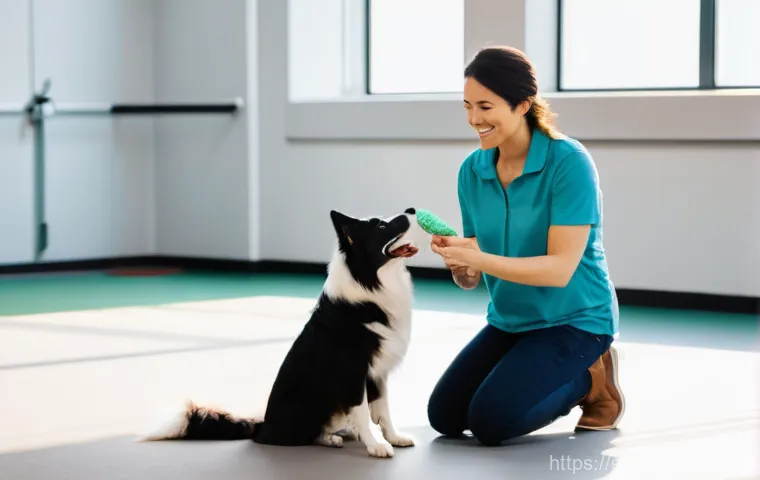
Training isn’t just about “sit” and “stay”; it’s about engaging your dog’s mind and body in enriching ways. I’ve found that incorporating training into games makes learning much more enjoyable and effective. Think about it: a dog that’s mentally stimulated and physically tired is usually a happier, better-behaved dog. Puzzle toys, snuffle mats, and scent work games are fantastic for mental enrichment. I often hide treats around the house and tell my dogs “find it,” which engages their natural sniffing abilities and provides a great outlet for energy. Agility courses, even makeshift ones in your backyard, can be amazing for building confidence and burning off steam. Even simple games like “fetch” or “hide and seek” with you can be incredibly rewarding and reinforce your bond. These activities don’t just tire them out; they build problem-solving skills, improve focus, and strengthen your relationship. It’s about creating a well-rounded life for your dog, one that fulfills their natural instincts and keeps them engaged, rather than bored and prone to mischief.
Managing Reactivity: Turning Overwhelm into Calm Encounters
Dealing with a reactive dog can feel incredibly isolating and stressful. I remember when my friend’s usually sweet Labrador, Max, started lunging and barking uncontrollably at other dogs during walks. It wasn’t aggression, per se; it was sheer overwhelm and fear. Every walk became a strategic avoidance mission, and my friend felt like a failure, constantly apologizing to other dog owners. It broke my heart to see how much she and Max were struggling. What I’ve learned is that reactivity isn’t a personality flaw; it’s often an overreaction to stimuli, driven by fear, frustration, or over-excitement. It’s not about having a “bad” dog; it’s about having a dog who needs help managing their emotions in certain situations. The good news is, with consistent, compassionate training, you absolutely can help your reactive dog find their calm. It’s about understanding their triggers, slowly changing their emotional response, and building their confidence in a world that often feels too big and too loud for them. It’s a journey, but seeing a reactive dog transform into one who can calmly pass other dogs is incredibly rewarding and restores so much joy to their owner’s life.
Identifying Triggers and Setting Up for Success
The first step in managing reactivity is becoming a super-sleuth and identifying your dog’s triggers. Is it other dogs? Specific types of people (kids, men with hats)? Bicycles? Loud noises? For Max, it was definitely other dogs, especially larger ones. Once you know what sets them off, you can start strategically managing their environment to prevent them from going “over threshold” – that point where they can no longer think clearly and just react. This means avoiding those triggers initially, or at least ensuring they are far enough away that your dog notices them but doesn’t react. I often advise clients to walk their reactive dogs during off-peak hours or in quieter areas. It’s not about hiding them away; it’s about creating successful, calm experiences at a distance they can handle. For example, if your dog reacts to dogs 50 feet away, start training at 75 feet. The goal is to keep them under threshold so they can actually *learn* from the situation instead of just reacting. This might mean adjusting your routine significantly for a while, but it’s crucial for building a foundation of calm responses.
Changing the Emotional Response: Counter-Conditioning
Once you’ve identified triggers and are managing the environment, the real work begins: changing your dog’s emotional response. This is where counter-conditioning comes in, and it’s incredibly powerful. The idea is to change your dog’s negative association with their trigger into a positive one. So, for a dog like Max who reacted to other dogs, every time another dog appeared (at a distance he could tolerate without reacting), my friend would immediately give him a super high-value treat. Dog appears = tasty treat. Dog disappears = treat disappears. Over time, Max started to associate the sight of other dogs with something wonderful happening. It took consistency, patience, and a lot of yummy snacks, but slowly, his tense body language softened, and his focus started shifting from the trigger to his owner. The distance at which he could remain calm gradually decreased. This isn’t about “distracting” them from the trigger; it’s about actively *changing their feelings* about it. It’s a profound shift from fear or frustration to anticipation of a reward, and it truly works wonders.
Preventing Property Pandemonium: Addressing Destructive Chewing
Oh, the horror of walking into a room only to find your favorite pair of shoes, or worse, your couch, utterly decimated. I’ve been there, staring at the carnage, wondering if my dog has a secret vendetta against my possessions! Destructive chewing is one of those behaviors that can really test your sanity, and it’s incredibly common, especially with puppies or newly adopted dogs. It’s so easy to get angry, but what I’ve discovered, both through my own experiences and working with countless dog owners, is that destructive chewing is rarely done out of malice. It’s usually a sign of boredom, anxiety, teething, or simply a lack of appropriate outlets for their natural chewing instincts. My own young dog went through a phase where she thought all chair legs were giant chew toys. It was a wake-up call that I needed to provide more structured chew time and mental stimulation. Understanding the root cause is the first step to redirecting that energy into something positive, saving your furniture, and maintaining your peace of mind.
Providing Appropriate Outlets and Enriching Environments
The number one strategy for stopping destructive chewing is to offer plenty of appropriate and appealing chew alternatives. Seriously, if you don’t give your dog something *to* chew, they’ll find something themselves – and it probably won’t be what you want! I always recommend having a variety of safe, durable chew toys readily available. Think about different textures and types: Kongs stuffed with peanut butter or yogurt, tough rubber toys, dental chews, and bully sticks. Rotate them to keep things interesting. I’ve found that a dog who has a full “chew arsenal” is far less likely to target inappropriate items. Beyond just toys, ensure your dog is getting enough physical exercise and mental stimulation throughout the day. A tired dog, both physically and mentally, is usually a well-behaved dog. Long walks, games of fetch, training sessions, and puzzle feeders can all help burn off excess energy that might otherwise be channeled into destructive chewing. Remember, a bored dog is a creative dog, and their creativity often involves your stuff!
Supervision, Management, and Teaching “Leave It”
While you’re working on establishing good chewing habits, supervision and management are absolutely crucial. This means not leaving your dog unsupervised in areas where they might get into trouble. If you can’t actively watch them, consider using a crate (if they’re comfortable with it) or a dog-proofed room for short periods. I’ve often used baby gates to confine a dog to a safe area where I know all tempting items are out of reach. Teaching a solid “leave it” command is also a game-changer. This command teaches your dog to ignore an item, even a highly tempting one, and it’s invaluable for preventing destructive chewing. Start by practicing with low-value items and gradually increase the difficulty. If you catch your dog chewing something inappropriate, calmly interrupt them (without scolding) and immediately redirect them to an appropriate chew toy. When they take the toy, praise them enthusiastically! The goal is to always show them what you *want* them to do, rather than just punishing what you don’t. This positive, proactive approach saves so much frustration for everyone involved.
| Behavior Issue | Possible Root Cause | Immediate Action / Tip | Long-Term Strategy |
|---|---|---|---|
| Excessive Barking | Boredom, anxiety, attention-seeking, alarm | Identify trigger, redirect attention with a toy/command | Consistent training, enrichment, addressing anxiety |
| Leash Pulling | Over-excitement, lack of training, distraction | Stop-and-go method, change directions | Loose-leash training with positive reinforcement, proper equipment |
| Separation Anxiety | Fear of abandonment, over-attachment | Calm departures/arrivals, high-value chew on exit | Gradual desensitization, secure environment, routine |
| House Soiling | Lack of training, medical issue, anxiety | Immediate outdoor trip, enzymatic cleaner | Strict potty schedule, consistent praise, supervision |
| Destructive Chewing | Boredom, teething, anxiety, lack of appropriate outlets | Redirect to appropriate chew toy, “leave it” command | Provide variety of chew toys, ample exercise/mental stimulation |
Embracing the Journey: Patience, Consistency, and Unconditional Love
At the end of the day, navigating your dog’s behavioral quirks, whether they’re a mischievous puppy or an older rescue, is a journey. It’s rarely a straight line, and trust me, there will be days when you feel like you’re making zero progress. I’ve been there, wanting to pull my hair out after a particularly challenging day with a client’s dog. But what I’ve consistently found, and what truly makes the biggest difference, is approaching every situation with a huge dose of patience, unwavering consistency, and, most importantly, unconditional love. Our dogs aren’t trying to annoy us; they’re simply trying to communicate or cope in the best way they know how. When you shift your perspective from “my dog is misbehaving” to “my dog needs help understanding,” everything changes. It becomes less about correction and more about compassionate guidance. Remember, you are your dog’s entire world, and the effort you put into understanding and training them not only solves problems but deepens the incredible bond you share. It’s a commitment, but the reward of a happy, well-adjusted canine companion is truly priceless and fills your home with so much joy.
Celebrating Small Victories and Staying Positive
One of the most powerful lessons I’ve learned in all my years with dogs is the importance of celebrating every tiny victory. When you’re tackling a big behavioral challenge, it’s easy to get bogged down by the setbacks and forget how far you’ve come. Did your leash-reactive dog walk past another dog without a full-blown meltdown, even if they still stiffened up a bit? That’s a huge win! Did your puppy go potty outside three times in a row without an accident? Pop the champagne! Okay, maybe not literally, but you get the idea. Acknowledge and praise those small moments of success, both for your dog and for yourself. It keeps both of your spirits up and reinforces the positive behaviors you’re working towards. I often keep a little mental “win journal” to remind myself of the progress. Staying positive, even when things are tough, radiates to your dog and strengthens their confidence. They pick up on our moods, so a calm, encouraging owner makes for a more confident and resilient dog. Your attitude is a powerful tool in their learning process.
When to Seek Professional Guidance
While there’s so much you can achieve through consistent home training and understanding, there are absolutely times when seeking professional guidance is not just helpful, but essential. I’ve personally consulted with certified professional dog trainers and veterinary behaviorists for my own dogs and for clients, and it was invaluable. If you’re dealing with severe aggression, extreme separation anxiety that’s causing significant distress, or any behavior that feels overwhelming and beyond your capabilities, please don’t hesitate to reach out to a professional. Look for certified positive reinforcement trainers (CPDT-KA) or veterinary behaviorists (DACVB) in your area. They have the expertise to assess complex situations, identify underlying medical causes, and develop tailored training plans that are safe and effective. It’s not a sign of failure to ask for help; it’s a sign of a responsible and loving pet parent who wants the absolute best for their furry family member. Think of it as investing in your dog’s happiness and your peace of mind – it’s always worth it.
Wrapping Things Up
As we wrap up this deep dive into understanding our incredible canine companions, I hope you feel a renewed sense of connection and purpose. It truly is an amazing journey we embark on with our dogs, filled with unique challenges and immeasurable rewards. Remember, every step you take to understand their world, to communicate more clearly, and to guide them with patience and love, builds an unbreakable bond. It’s a testament to the effort you put in, and the beautiful relationship you nurture will be a source of endless joy and companionship.
Helpful Tips You’ll Appreciate
Here are some quick, actionable tips that I’ve personally found to be absolute game-changers in my journey with dogs:
1. Become a Canine Detective: Don’t just see a behavior; ask *why*. Is your dog barking because they’re bored, anxious, or alerting you to something? Understanding the root cause is the first step to finding a solution, and observing their body language (tail, ears, eyes) will give you so many clues. It’s like putting together a puzzle, and when you get it right, everything clicks!
2. Consistency is King (or Queen)!: Whether it’s potty training, loose-leash walking, or basic commands, doing things the same way, every single time, makes a world of difference. Your dog thrives on predictability and clear expectations, so stick to your routines and training methods, even when you’re tired. Trust me, it pays off in spades!
3. High-Value Rewards Are Your Secret Weapon: While all dogs love treats, find out what makes your dog go absolutely wild. Is it a special piece of cheese, a favorite squeaky toy, or a super enthusiastic “Good Dog!”? Using these “jackpot” rewards for new or challenging behaviors will accelerate their learning and make training so much more fun for both of you.
4. Enrichment Isn’t Just for Puppies: Even adult dogs need mental stimulation. Puzzle toys, snuffle mats, scent games, or even just teaching a new trick keep their minds sharp and prevent boredom-induced behaviors. A tired dog, both physically and mentally, is usually a happy, well-behaved dog, and who doesn’t want that?
5. Don’t Be Afraid to Call in the Pros: If you’re feeling overwhelmed, frustrated, or stuck with a particular behavior, reaching out to a certified professional dog trainer or a veterinary behaviorist is a sign of responsible pet ownership, not failure. They have a wealth of knowledge and can provide tailored strategies that can transform your life with your dog.
Key Takeaways
To truly unlock a harmonious life with your canine companion, remember that everything boils down to a few core principles. Firstly, understanding that our dogs communicate constantly, often through subtle cues, is paramount. Learning their language—their barks, growls, tail wags, and ear positions—allows us to respond empathetically and effectively, nipping potential issues in the bud before they escalate. Secondly, the power of positive reinforcement cannot be overstated. By focusing on rewarding the behaviors we *want* to see, rather than punishing what we don’t, we build trust, confidence, and a dog who genuinely *wants* to cooperate with us. It transforms training from a chore into a joyful, bonding experience. My own experience has shown me time and again that this approach fosters a resilient and happy dog.
Thirdly, remember that our dogs rely on us to provide structure, appropriate outlets for their natural instincts, and a safe, predictable environment. This means consistent routines, ample physical exercise, and plenty of mental enrichment to stave off boredom and anxiety. A well-exercised and mentally stimulated dog is less likely to engage in destructive behaviors or exhibit excessive reactivity. Finally, and perhaps most importantly, patience and unwavering consistency are your greatest allies. Progress isn’t always linear, and there will be challenging days. But with a compassionate heart and a commitment to understanding, you can navigate any hurdle. And if you ever feel out of your depth, don’t hesitate to consult with certified professionals. They are there to support you and your dog on this incredible journey, ensuring a strong, loving bond that enriches both your lives for years to come.
Frequently Asked Questions (FAQ) 📖
Q: It feels like my dog gets super anxious the moment I even think about leaving the house. How can I help them feel more comfortable and less stressed when they’re home alone?
A: Oh, believe me, I’ve absolutely been there, pacing by the door wondering if I’d come back to a shredded cushion or a chorus of lonely howls. Separation anxiety is heartbreaking for everyone involved, but there are definitely compassionate ways to help your furry friend feel more secure.
The key is often to slowly, gradually, teach them that your absence isn’t something to panic about. Start with really short departures – literally just stepping out the door for a minute and coming right back in, before your dog even has a chance to get worked up.
When you leave, try not to make a big emotional production of it. A calm, quiet departure is always best. I’ve found that leaving them with a really special, high-value chew toy or a puzzle filled with their favorite treats can be a game-changer.
It gives them something positive to focus on while you’re gone. And when you return, again, keep it low-key at first. Wait until they’re calm before giving them all the love and attention they deserve.
Building up their confidence while you’re away takes time and consistency, but seeing them relax when you head out is such a rewarding feeling. For really tough cases, sometimes a chat with a vet or a certified professional dog trainer can provide tailored strategies, maybe even exploring calming supplements if needed.
It’s all about finding what brings your pup peace!
Q: My dog is a total sweetheart indoors, but as soon as we hit the sidewalk, they pull like a sled dog and often bark excitedly or fearfully at other dogs. How do I make our walks more enjoyable for both of us?
A: Ugh, the “freight train” feeling on walks is something so many of us can relate to! I remember thinking my arm was going to be pulled right out of its socket more times than I can count.
Leash reactivity, whether it’s out of excitement or a bit of fear, is incredibly common. First off, let’s talk gear. A front-clip harness can work wonders because it redirects their pulling energy back towards you, making it much harder for them to drag you along.
I’ve personally seen a massive difference with these! Next, positive reinforcement is your best friend. Every single time your dog walks nicely beside you, even for a few steps, reward them instantly with a super high-value treat and enthusiastic praise.
You want them to associate “walking nicely” with “awesome things happen.” If they start pulling or react to another dog, try changing direction calmly.
Just pivot and walk the other way, breaking their focus. This teaches them that pulling doesn’t get them where they want to go. When you see another dog approaching, create distance if you can, and try to get your dog’s attention with treats before they react.
You’re essentially teaching them to look at you instead of the distraction. It’s a marathon, not a sprint, but with patience and consistency, you’ll both be enjoying those leisurely strolls in no time.
Q: We’ve just welcomed a new puppy (or adopted an older dog) into our home, and despite our best efforts, we’re having a lot of accidents indoors. What are the most effective ways to get them reliably potty trained?
A: Potty training can feel like an endless cycle of cleaning up messes, right? Trust me, I’ve gone through enough rolls of paper towels to last a lifetime!
But it’s totally achievable with the right approach and a hefty dose of patience. The absolute number one rule is consistency. Create a strict potty schedule and stick to it like glue.
This means taking them out first thing in the morning, after every meal, after naps, before bed, and pretty much every hour or so in between, especially for puppies.
Take them to the same designated potty spot every single time. When they do their business outside, immediately heap on the praise and give them a super tasty treat.
You want them to think, “Wow, going potty out here is the best!” I’ve found that the sheer enthusiasm you show makes a huge difference. Inside, if you catch them sniffing around or starting to squat, calmly interrupt them, pick them up, and rush them outside.
Accidents will happen – they’re part of the learning curve! When they do, clean them thoroughly with an enzymatic cleaner (this is key to eliminate odors that might attract them back to the same spot).
Avoid punishing them after the fact; they won’t connect the punishment to the old accident. Stay positive, keep that schedule, and before you know it, you’ll have a fully house-trained family member!